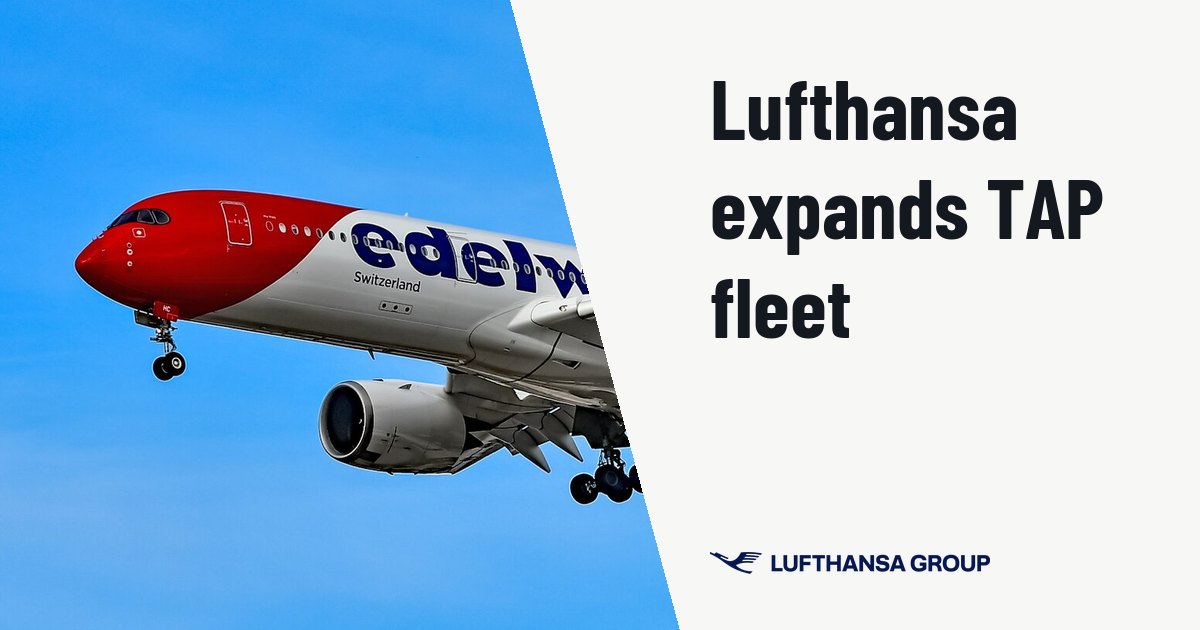
Lufthansa Group has announced its entry into TAP Air Portugal, marking the carrier's first acquisition of an already profitable airline. The transaction positions Lisbon as the group's westernmost and southernmost hub, targeting transatlantic traffic between Europe and South America, particularly Brazil. Through this deal, Lufthansa raises its market share on routes to South America from 9 percent to 20 percent, matching IAG.
Operationally, the network strategy redirects European passenger flows to South America via Lisbon rather than northern hubs. Porto will be developed as a second base, hosting eight stationed long-haul aircraft to serve Brazil and North America, supported by existing Lufthansa Technik facilities in the area.
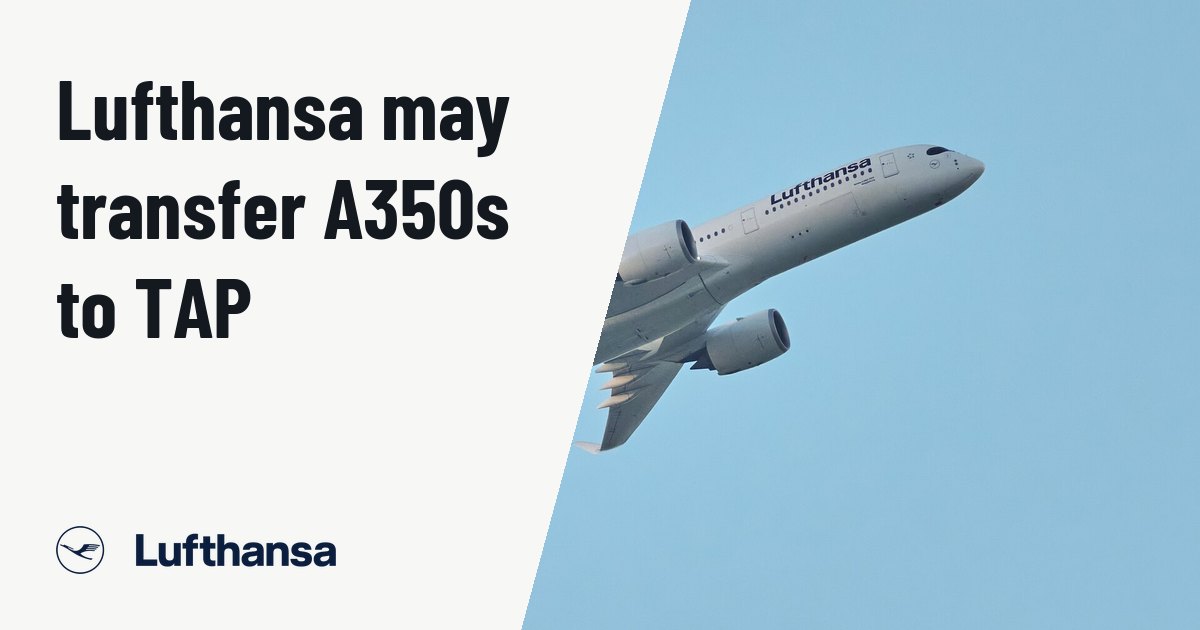
TAP's fleet, currently around 100 aircraft, is projected to reach 117 airframes by 2035, and up to 130 once the new Lisbon airport enters service. According to the Portuguese government, TAP is slated to receive up to eight Airbus A350-900 aircraft starting in 2030, though Lufthansa Group did not elaborate on their precise origin. Lufthansa plans to integrate daily flight schedules, technical operations, purchasing, and cargo to generate up to 450 million euros in annual synergies. Lufthansa holds operational control through executive appointments, while pursuing full ownership of the carrier.
Why it matters for your training
Network consolidation within major European airline groups directly shapes long-haul fleet allocations, base structures, and career opportunities for airline pilots.