**Zinc Airlines: A new ultra-low-cost carrier for Australia**
A former Qantas and Ansett executive, Peter Kelly, is spearheading the launch of Zinc Airlines, an independent ultra-low-cost carrier (ULCC) that aims to operate from the new Western Sydney International Airport (WSI). The project, explicitly modeled on Ryanair and easyJet, relies on a homogeneous fleet of Airbus A321neo aircraft, a base at WSI, and a high-frequency domestic network. However, its realization depends on raising approximately AUD 200 million and obtaining an Air Operator's Certificate (AOC).
**A veteran-led project**
Peter Kelly brings decades of experience, having managed Ansett's Golden Wing Club, the Qantas Frequent Flyer program, and contributing to the launch of Jetstar before becoming an aviation consultant. According to Australian media, he is seeking to raise AUD 200 million—split between AUD 100 million in equity and AUD 100 million in debt—to cover pre-operational costs, aircraft deposits, and launch expenses. Zinc's website describes the venture as "Australia's first independent ultra-low-cost carrier," launched to exploit a "rare structural transformation" in Australian domestic aviation driven by the opening of WSI.
**Western Sydney: A low-cost hub**
Western Sydney International (Nancy-Bird Walton) is scheduled to open for passenger flights in late 2026, operating 24 hours a day—unlike Sydney Kingsford Smith Airport, which has a night curfew. WSI positions itself as a lower-cost alternative and has already secured agreements with Qantas and Jetstar for domestic operations, as well as with international carriers like Singapore Airlines and Air New Zealand. Zinc views WSI as an "unprecedented structural break" that allows a new entrant to access the Sydney market without the historical constraints of slots and curfews. The absence of a curfew and the ambition to achieve at least 12 hours of daily aircraft utilization are central to Zinc's cost-reduction promise.
**An ultra-low-cost model**
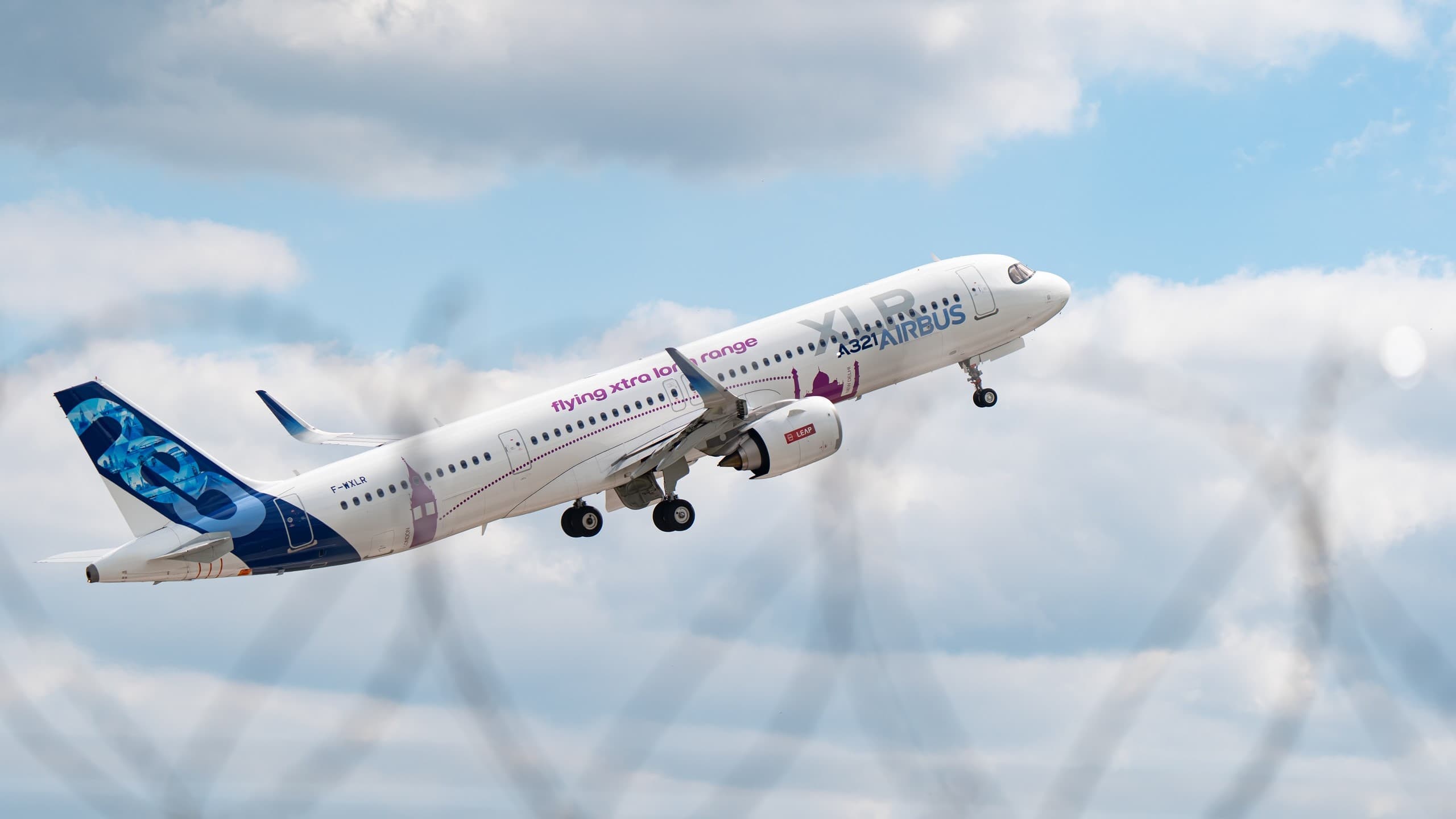
Zinc's model explicitly draws from Ryanair and easyJet: a single-type fleet, maximum aircraft productivity, product simplification, and systematic ancillary fees. The airline plans to operate new Airbus A321neos in an all-economy configuration (approximately 232 seats) on high-density domestic routes from Western Sydney—initially to Melbourne, Brisbane, and Adelaide, with the Gold Coast as a potential later addition. The offer would feature very low base fares, below current Jetstar levels, with charges for checked baggage, seat selection, meals, drinks, flexibility, and other options. Zinc highlights a base assignment model described as unprecedented in Australia, designed to optimize aircraft productivity, reduce crew costs, and eliminate operational complexities linked to overnight stays.
**Network and competitive positioning**
Initially, Zinc would target the domestic "triangle" of the East Coast—Western Sydney, Melbourne, Brisbane—with Adelaide as a fourth pillar and the Gold Coast as a possible later addition. The stated goal is to break the Qantas–Virgin Australia duopoly on the domestic market by directly undercutting Qantas, Virgin, and Jetstar on fares. Proponents emphasize that, for the first time, a new domestic carrier could access the Sydney market without the slot and curfew constraints that have long hindered entrants.
**Challenges in the Australian market**
While the prospect of very low fares is attractive to travelers facing rising ticket prices, the Australian domestic market has seen several low-cost attempts fail. Tigerair Australia, for example, disappeared after years of intense competition and high operating costs, despite a similar model. More broadly, precedents like Compass Airlines and more recently Bonza show that the Australian context—long distances, infrastructure costs, regulatory hurdles, and dependence on sufficient volumes—complicates the sustainable implementation of an ultra-low-cost model. For ATPL and ATC students, this case offers a real-world example of how airport infrastructure, slot allocation, and regulatory frameworks directly influence airline business models and network planning.