**Wizz Air's strategic expansion in central Romania**
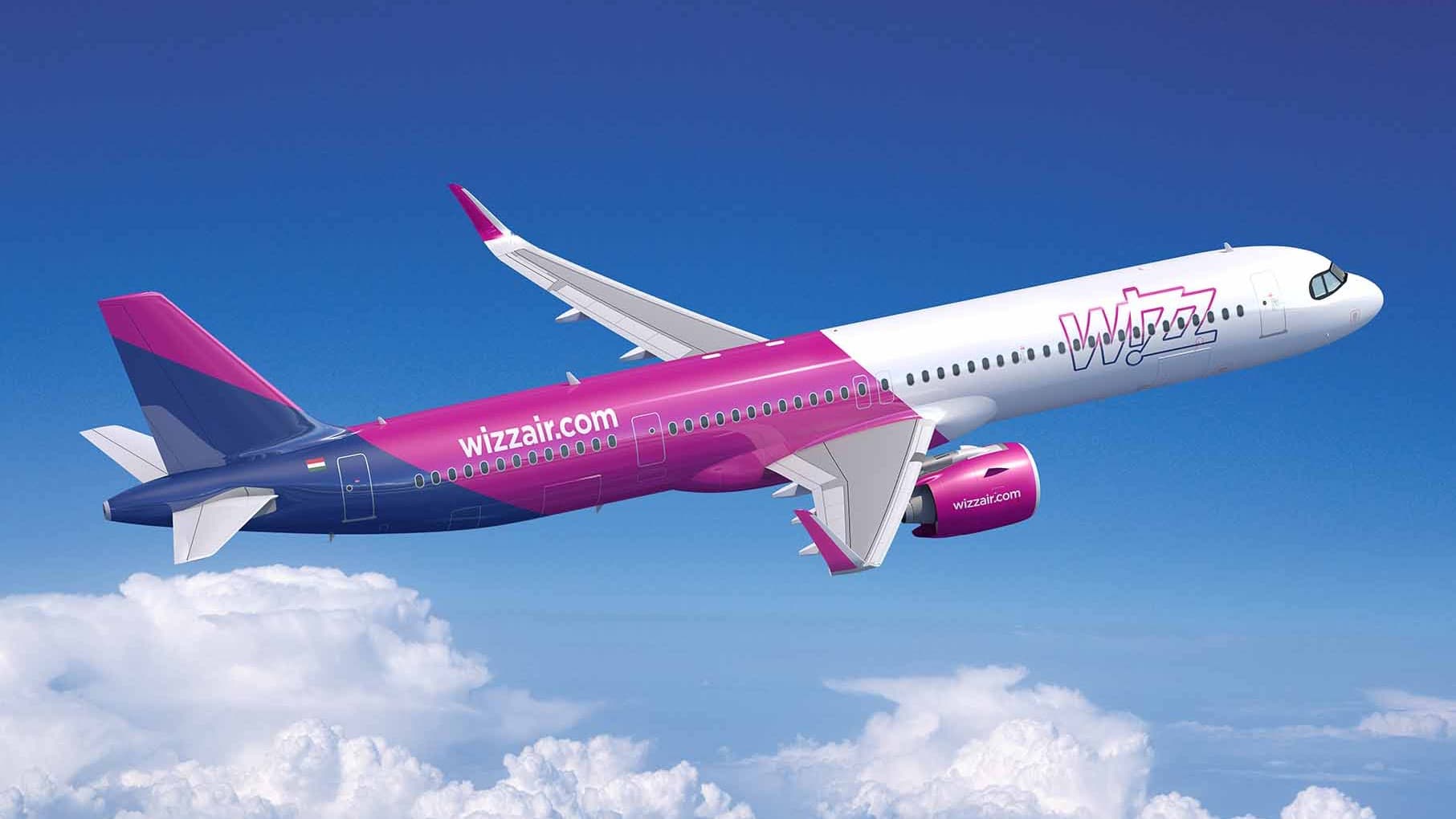
Wizz Air has announced it will open an operational base at Brașov-Ghimbav International Airport in December 2026, stationing an Airbus A321neo there. This will be the airline's tenth base in Romania, a significant milestone for the region. The move will support four new international routes—to Chișinău, Karlsruhe/Baden-Baden, Barcelona, and Madrid—and will increase the total number of destinations served from Brașov to 15 across seven countries. The airline will also reinforce its existing Nuremberg service from late October.
**Why a base matters**
For a low-cost carrier, basing an aircraft at an airport is more than just adding flights. It allows the airline to schedule rotations that start and end at that airport, enabling early morning departures and late evening returns. This operational flexibility is crucial for maximizing aircraft utilization and crew efficiency. For Brașov, a city that has traditionally relied on the major hubs of Bucharest and Cluj-Napoca, this base represents a significant step toward becoming a more independent aviation hub in central Romania.
**The A321neo: a bet on market maturity**
The aircraft to be based in Brașov will be an Airbus A321neo, configured with 239 seats in a single-class layout. This is the largest narrowbody commonly operated by Wizz Air, and its high capacity is a key factor in the airline's cost model. By spreading fixed costs over more seats, the airline can offer lower fares, but only if load factors remain high. The decision to base such a large aircraft in Brașov signals confidence in the market's growth potential, which has been rapid since the airport opened in June 2023.
**A growing airport**
Brașov-Ghimbav, the newest commercial airport in Romania, opened on June 15, 2023. Wizz Air began operations there in August 2023 and has already carried over 800,000 passengers. In early August 2026, the airport celebrated its millionth passenger since opening—fittingly, on a Wizz Air flight from Nuremberg. This growth trajectory underscores the region's demand for air travel and the viability of the airport as a base.
**Implications for the region**
The new routes to Chișinău, Karlsruhe/Baden-Baden, Barcelona, and Madrid will cater to both leisure and visiting friends and relatives (VFR) traffic, which is a major driver for low-cost carriers in Romania. The Chișinău route, in particular, connects Transylvania with Moldova, a market with strong family ties. The Spanish destinations expand leisure options, while the German routes tap into economic and diaspora links. Wizz Air's commitment to Brașov is a clear signal that the region is becoming a more important player in European low-cost aviation.