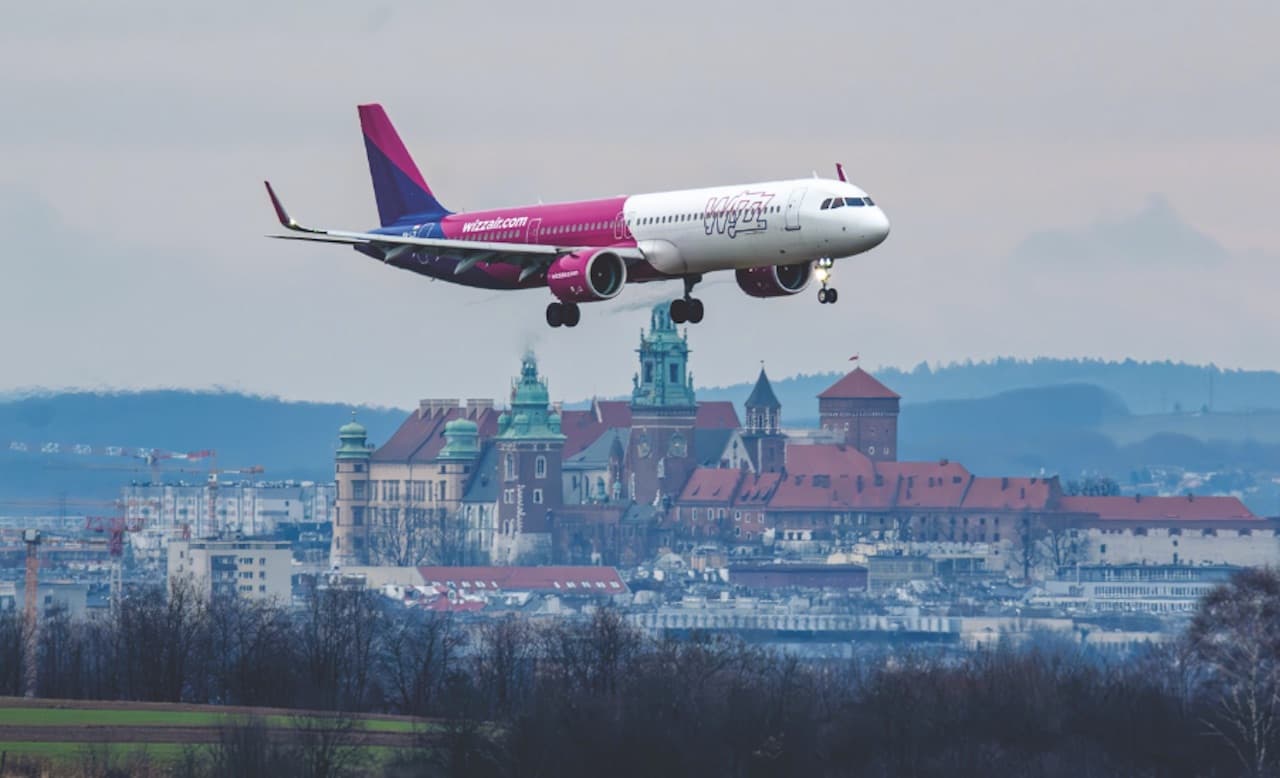
**Wizz Air's 200th A320neo: A Fleet Renewal Milestone**
On May 13, 2025, Hungarian ultra low-cost carrier Wizz Air announced the delivery of its 200th aircraft from the Airbus A320neo family, including its eighth A321XLR. This milestone underscores the airline's aggressive fleet modernization strategy, which began with its first A321neo in 2019 and now aims for a fully neo fleet by 2029. For ATPL and ATC students, this news is a practical case study in how fleet composition drives operational efficiency, cost management, and environmental compliance in modern aviation.
**Why This Matters for ATPL and ATC Training**
The shift to neo-family aircraft—particularly the A321XLR with its extended range of up to 8,700 km—has direct implications for flight planning and air traffic management. ATPL students should note how the A321XLR blurs the line between short-haul and long-haul operations, enabling point-to-point routes that bypass traditional hubs. This affects fuel calculations, alternate airport planning, and crew duty time regulations. For ATC trainees, the increased use of high-capacity narrowbodies on longer routes may alter traffic flow patterns, especially in European and Middle Eastern airspace, requiring adjustments in sectorization and sequencing.
**Operational and Environmental Impact**
Wizz Air reports that its neo fleet has already improved passenger comfort while reducing carbon intensity—a key selling point for ultra low-cost carriers facing scrutiny over environmental impact. The airline currently operates 6 A320neo, 186 A321neo, and 8 A321XLR, alongside 61 older ceo models being phased out. By 2029, the entire fleet will consist of A321neo variants, maximizing seat capacity per flight while lowering unit costs. This trend is critical for ATPL students studying airline economics: the neo family offers 20% better fuel efficiency per seat compared to previous generations, directly affecting operating margins and route viability.
**Strategic Implications for Future Aviation Professionals**
Wizz Air's strategy reflects a broader industry shift toward narrowbody long-range aircraft, which is reshaping network planning and pilot career paths. For ATPL candidates, understanding the performance characteristics of the A321XLR—such as its takeoff weight limits, climb performance, and ETOPS capabilities—will be essential. ATC students should consider how increased point-to-point traffic from such aircraft may reduce congestion at major hubs but create new challenges in managing direct routings and oceanic crossings. This article serves as a reminder that fleet decisions are not just corporate news but directly influence the daily work of pilots and controllers.
**Conclusion**
Wizz Air's 200th A320neo delivery is more than a corporate milestone—it is a window into the future of low-cost aviation. For those training for ATPL or ATC licenses, it highlights the importance of staying current with aircraft technology and airline strategies, as these factors shape the operational environment they will soon enter.