**A risky bet on the World Cup**
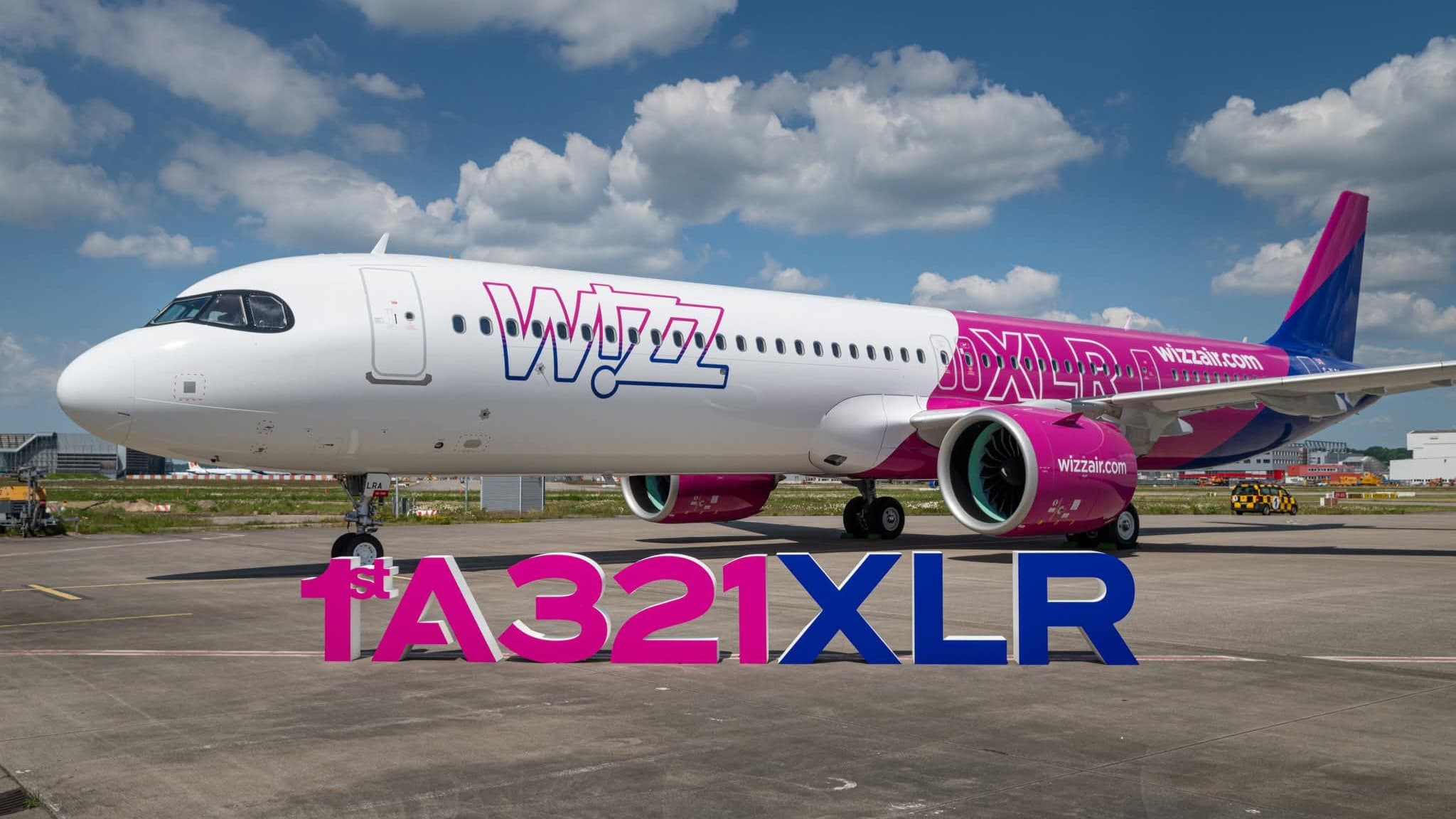
As the 2026 FIFA World Cup in North America approaches, Hungarian ultra-low-cost carrier (ULCC) Wizz Air is scrambling to fill transatlantic charter flights operated with its new Airbus A321XLR. Speaking at the Routes Europe forum in Rimini, Italy, the airline's commercial director Ian Malin admitted that no flights have been publicly confirmed yet and that the company is still actively seeking clients. "If anyone wants to go to the World Cup this summer in the United States, we have the necessary authorizations and we are ready to provide quotes," he said. The airline is targeting European national teams, supporter groups, and tour operators — an opportunistic approach that highlights the absence of a regular long-haul strategy across the North Atlantic.
**Demand below expectations**
Multiple indicators from the tourism and aviation sectors suggest that demand for the 2026 World Cup — co-hosted by the United States, Canada, and Mexico — is lower than initially anticipated, especially from Europe. Factors include high travel costs to the US, visa or ESTA requirements, already abundant capacity on the North Atlantic, and economic uncertainty in Europe. In this context, Wizz Air's charter flights appear as a niche offering that is difficult to market without strong partnerships.
**The A321XLR's business model challenge**
This situation underscores the strategic questions surrounding the Airbus A321XLR within Wizz Air. Designed for cost-efficient long-haul operations, the single-aisle aircraft offers a range of approximately 8,700 km. However, for an ULCC, its operation poses structural challenges: longer turnaround times, lower seat density compared to short-haul, and difficulty maximizing ancillary revenue on longer sectors. Malin explicitly acknowledged that "there are use cases where the A321XLR works, and charter is one of them." This is a crucial point for ATPL students studying airline economics and fleet planning.
**Regulatory green light, but no passengers yet**
On the regulatory side, Wizz Air UK has obtained the necessary approvals to operate flights to the United States. The airline received a green light in spring 2026 after filing a request in January through law firm Holland & White, leveraging the UK-US Open Skies agreement. This framework allows full freedom on capacity, frequency, and the operation of both scheduled and charter services, including passengers, freight, and mail. Yet regulatory permission alone does not fill seats — a lesson in the gap between legal possibility and commercial reality.
**What ATPL and ATC students should take away**
This case study illustrates several key themes for aviation trainees: the economics of ULCC long-haul operations, the importance of demand forecasting, the role of charter versus scheduled services, and the regulatory framework of Open Skies agreements. For ATC students, the potential introduction of new transatlantic charter flows could impact traffic management and slot coordination, especially during major events like the World Cup.