**Wizz Air expands its Berlin network: a case study in low-cost route development**
On 21 May, Wizz Air inaugurated a new service between Berlin Brandenburg Airport (BER) and Timișoara, a university and cultural hub in western Romania. This is the fourth new destination added by the Hungarian low-cost carrier for the summer 2026 season, bringing its total from Berlin to twelve cities across Southern and Eastern Europe. The airline's capacity from BER will increase by 90% compared to the previous summer, driven by new routes and the deployment of larger aircraft.
**Operational details and fleet strategy**
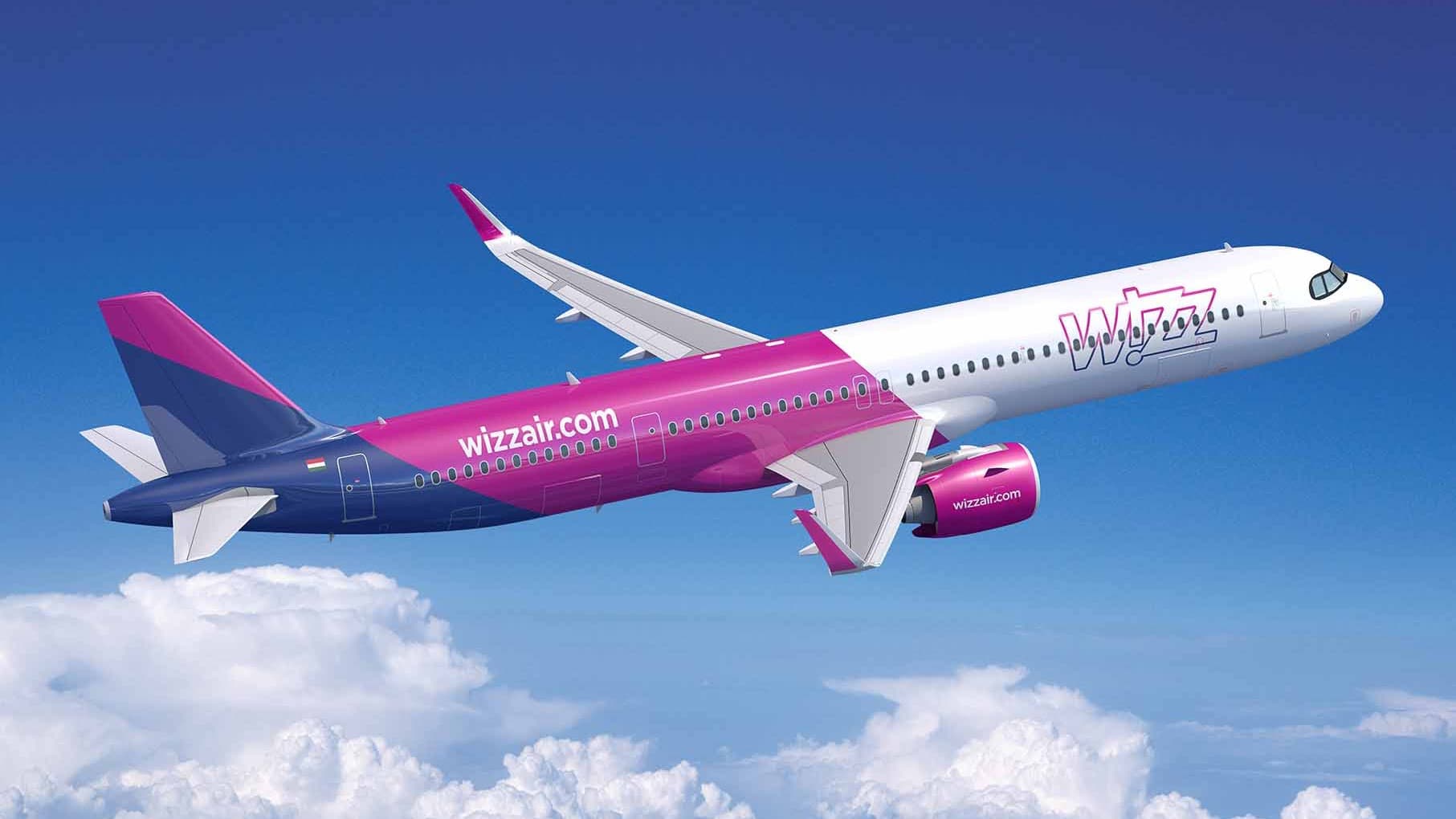
The Berlin–Timișoara route operates twice weekly (Thursdays and Sundays) with a flight time of approximately 1 hour 45 minutes. Services are flown with Airbus A320neo and A321neo aircraft, configured with 186 to 239 seats. This reflects Wizz Air's fleet renewal strategy, which aims to reduce unit costs and improve environmental performance per seat. The airline recently took delivery of its 200th A320neo family aircraft and is also introducing the A321XLR, enabling longer-range routes with competitive seat costs.
**Network growth and market positioning**
Since March, Wizz Air has launched flights from BER to Bratislava (Slovakia), Tuzla (Bosnia and Herzegovina), and Cluj-Napoca (Romania), all operated multiple times per week with A321neo. The full list of destinations now includes Bratislava, Tuzla, Cluj-Napoca, Timișoara, Bucharest, Belgrade, Chișinău, Tirana, Varna, and others. This expansion confirms Berlin as a key hub for Wizz Air's push into Central and Balkan Europe.
**Relevance for ATPL and ATC students**
For future pilots and air traffic controllers, this news offers concrete insights into how low-cost carriers plan their networks: selecting secondary cities with high demand potential, leveraging fuel-efficient aircraft to keep costs low, and timing frequencies to maximise aircraft utilisation. The 90% capacity increase also highlights the operational challenges of scaling up at a major airport like BER, from slot coordination to ground handling and airspace integration. Understanding these dynamics is essential for anyone aiming to work in airline operations or air traffic management.