**A Hoax That Grounded a Flight**
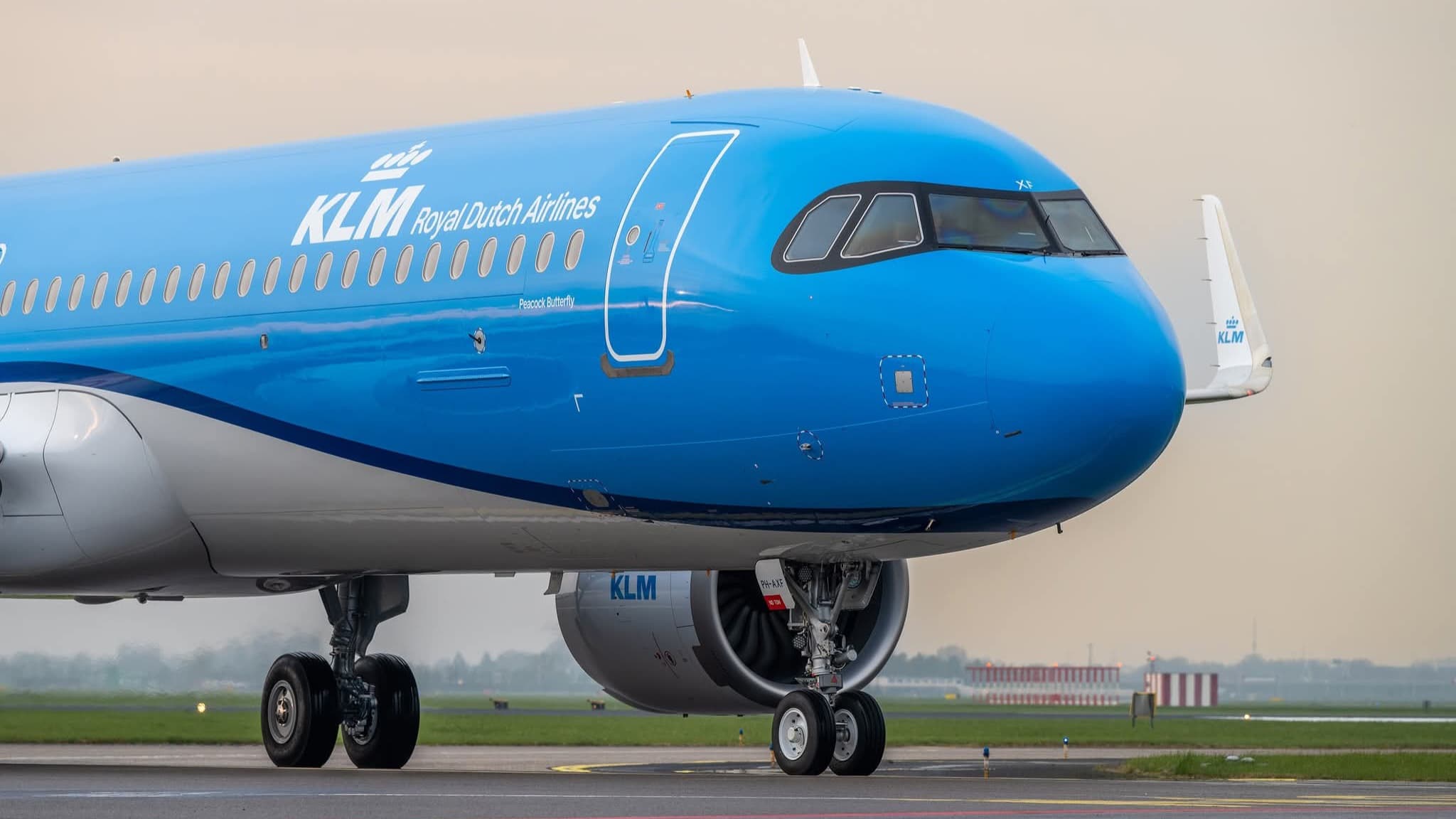
On the evening of May 9, KLM flight KL1548 from Málaga (AGP) to Amsterdam (AMS) was preparing for takeoff when a passenger noticed a Wi-Fi network with a chilling name: "Allahu Akbar: there is a bomb on board." The crew was immediately alerted, and the aircraft, a Boeing 737-800, was already taxiing toward the runway. The captain decided to abort the departure and return the plane to a secure area of Málaga Airport.
**Full Evacuation and Search**
Spanish authorities were notified, and the bomb threat was treated as credible. The Civil Guard boarded with sniffer dogs, while all passengers and crew were evacuated and taken to a separate area of the terminal. Luggage and the entire aircraft were thoroughly searched. After several hours, no explosive device was found, and the alert was lifted. The flight eventually departed with a delay of about three to four hours, landing at Schiphol around 3 a.m. instead of just after midnight.
**KLM’s Response and Passenger Reactions**
KLM confirmed the incident and stated that safety is always the top priority. The airline emphasized that it followed all regulatory procedures in coordination with Spanish security services. Some passengers chose to stay overnight at a hotel, while others continued their journey after the crew provided regular updates and reassurance. One passenger quoted in the press said, "They reassured people. The staff gave regular updates and took good care of us."
**Legal Consequences and Unanswered Questions**
The origin of the Wi-Fi network remains unknown. It is suspected that a passenger may have set up a personal hotspot with the provocative name, but no one has been identified or arrested. In the Netherlands and many European countries, false bomb threats are criminal offenses punishable by up to four years in prison and fines exceeding €25,000. The perpetrator also risks being banned from flying with the airline. This incident serves as a stark reminder of the serious repercussions of such hoaxes, which disrupt operations, cause significant costs, and create unnecessary panic.
**Why This Matters for ATPL and ATC Students**
For ATPL students, this case illustrates the critical importance of security procedures and crew resource management during a threat. For ATC students, it shows how a security alert can disrupt airport operations, requiring coordination with ground services and rerouting of traffic. Understanding the protocols for bomb threats—including evacuation, communication, and cooperation with authorities—is essential for future pilots and controllers.