**A bet that made headlines**
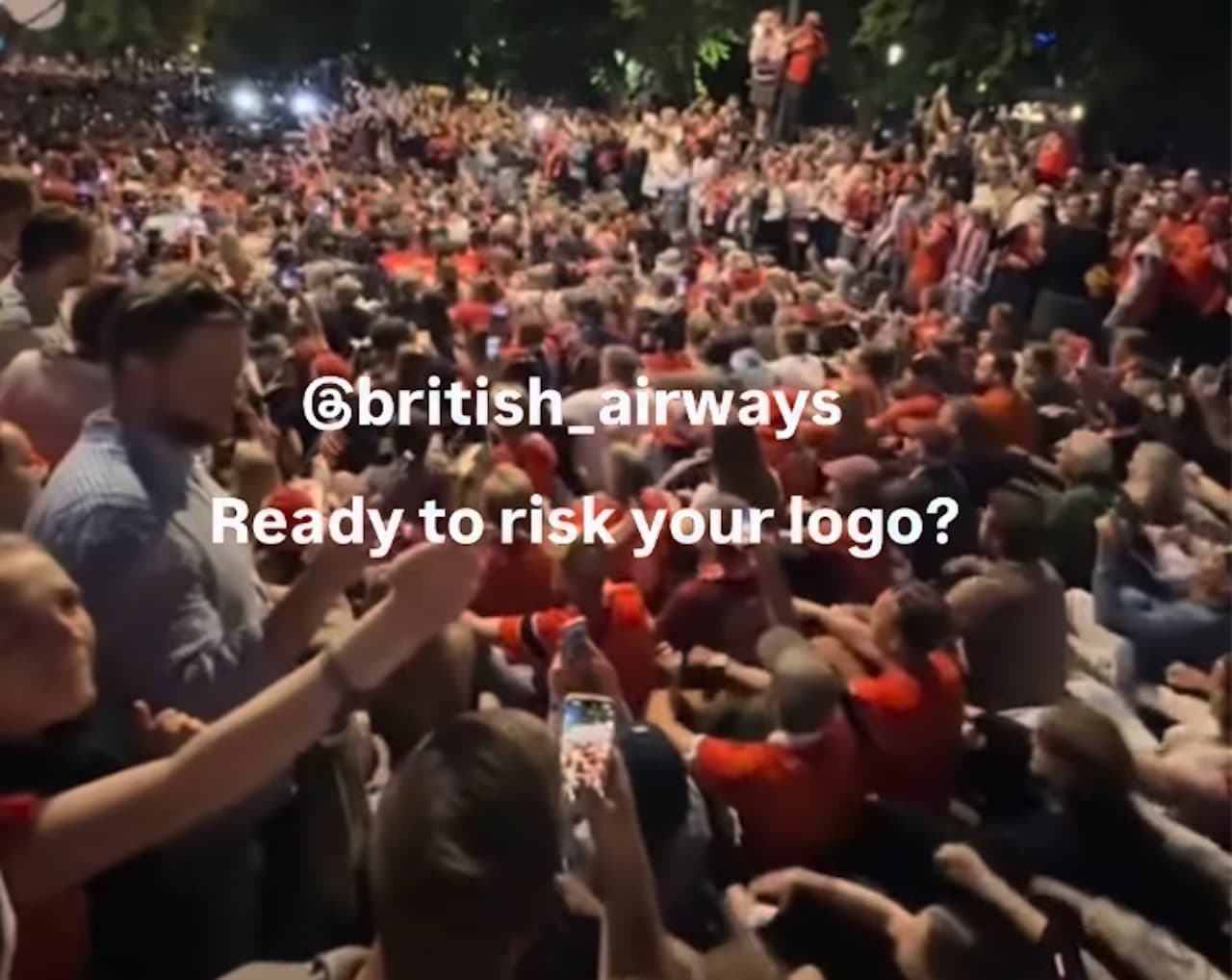
In a move that blended sports rivalry with corporate branding, Norwegian Air Shuttle temporarily replaced its Instagram profile picture with British Airways' logo for 24 hours after losing a World Cup quarter-final bet. The bet, initiated by Norwegian ahead of the England vs. Norway match, was simple: if Norway won, British Airways would display Norwegian's logo; if England won, the reverse would happen. England's 2–1 victory triggered the change, and Norwegian honored the agreement with a good-humored post, wishing England and British Airways luck in the semi-finals.
**More than a publicity stunt**
This episode is far from a trivial social media gag. It illustrates how airlines increasingly treat their brand identity as a dynamic asset, leveraging real-time events to engage audiences. For aviation students, this case study reveals the strategic importance of brand management, crisis communication, and stakeholder engagement in a highly competitive industry. Norwegian's decision to follow through on the bet, despite the temporary loss of brand visibility, reinforced its credibility and fostered goodwill among followers. Other carriers, including Malaysia Airlines and Austrian Airlines, joined the conversation with playful comments, turning the event into a cross-industry dialogue.
**What ATPL and ATC students should take away**
Understanding airline marketing strategies is not just for business majors. For future pilots and air traffic controllers, being aware of how airlines position themselves publicly can inform decisions about career choices, company culture, and operational priorities. Airlines that engage in creative, transparent communication often foster stronger internal morale and external trust. Moreover, this example highlights the power of social media as a tool for real-time public relations – a skill increasingly relevant for aviation professionals who may one day represent their airline or airport in public forums.
**A lesson in soft power**
The Norwegian–British Airways exchange also underscores the concept of soft power in aviation. By participating in a friendly bet, both airlines projected approachability and sportsmanship, enhancing their brand image without costly advertising campaigns. For students studying airline management or airport operations, recognizing the value of such non-commercial interactions can provide insights into how airlines build loyalty and differentiate themselves in a crowded market.
**Conclusion**
While the logo swap was temporary, its impact on brand perception can be lasting. Aviation professionals at all levels benefit from understanding how marketing and public relations shape the industry's landscape. Whether you're in the cockpit or the control tower, the ability to read and respond to public sentiment is a valuable skill – and sometimes, a friendly bet can teach more than a textbook.