**A Close Call in the Capital's Skies**
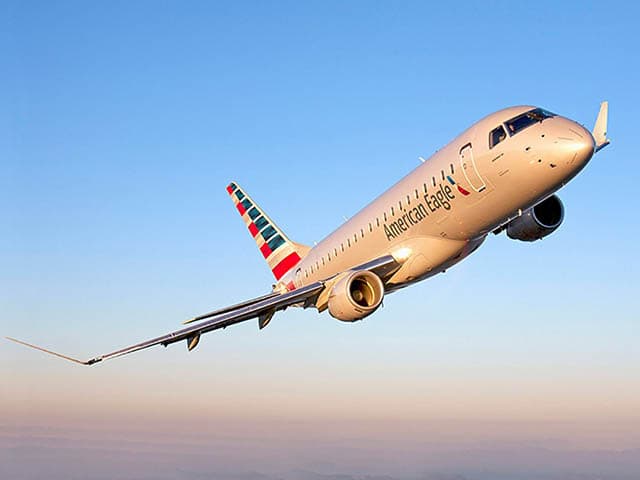
On August 5, the FAA launched an investigation into a loss of separation between Marine One, carrying President Trump, and an Envoy Air Embraer E170 departing from Reagan Washington National (DCA). The incident, which occurred in the heavily restricted airspace around Washington D.C., involved a horizontal separation of approximately 0.8 nautical miles—well below the required 1.5 NM—while vertical separation remained at 700 feet, above the 500-foot minimum. The FAA classified the event as a "loss of separation" rather than a near midair collision, noting that the aircraft were not on converging paths.
**Procedural Gaps Under Scrutiny**
This incident is particularly significant because it occurred despite enhanced restrictions implemented after the January 2025 midair collision near DCA that killed 67 people. Those rules mandate a ground stop for commercial traffic when Marine One is operating in the vicinity. However, Envoy Air 3742 was cleared for takeoff just one minute after Marine One departed, and no ground stop was issued. Reports suggest that Marine One's crew made a radio call to the tower that was not acknowledged, raising questions about coordination between the tower, the presidential flight crew, and the commercial pilot.
The FAA has established a Safety Review Team to examine the incident, focusing on the tower's traffic management and adherence to presidential movement procedures. The NTSB is also evaluating whether to open a formal investigation, given the presence of the President on board.
**Lessons for Aviation Professionals**
For ATPL and ATC students, this event is a textbook case of how procedural lapses can erode safety margins. It highlights the importance of strict adherence to separation minima, the need for clear and confirmed radio communications, and the challenges of managing airspace with multiple layers of restrictions, such as the Special Flight Rules Area (SFRA) around Washington. The incident also demonstrates how organizational barriers—like ground stops—are only effective if consistently applied and monitored.
**A Wake-Up Call for the Industry**
The Washington airspace is one of the most complex in the world, requiring seamless coordination between the DCA tower, regional control facilities, and units handling presidential flights. This incident serves as a reminder that even with advanced procedures, human factors and communication breakdowns can lead to dangerous situations. For students, it underscores the need for robust situational awareness, assertiveness in radio communications, and a deep understanding of separation standards—skills that are essential for both pilots and controllers.