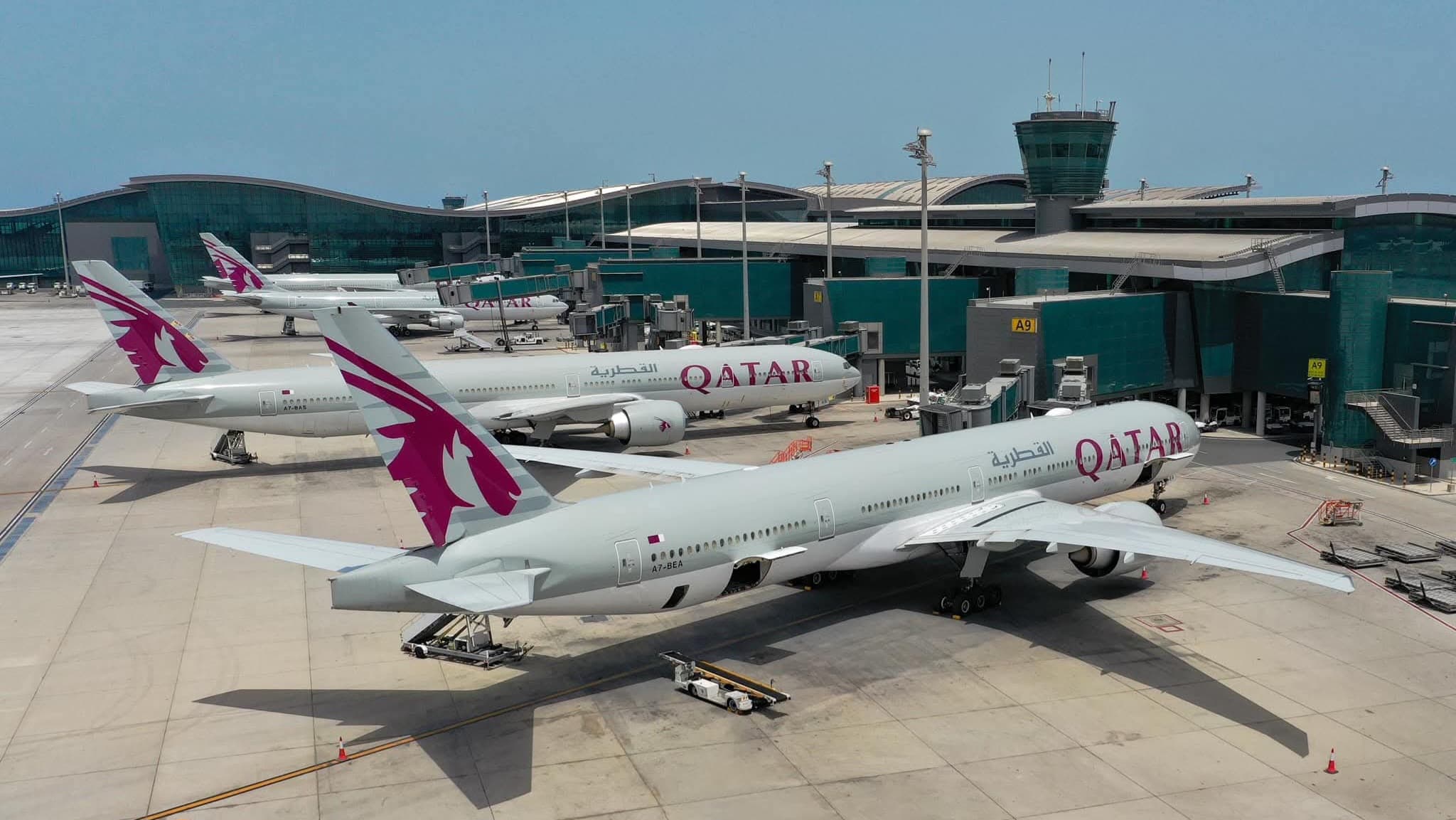
The ongoing conflict in the Middle East has dealt an immediate and severe blow to the region's major airport hubs and their airlines. According to an analysis by aviation data provider Cirium, the war has disrupted a long-established hub system that funnels a significant share of global long-haul traffic. In normal times, Gulf hubs carry 20% of all passengers traveling between Europe and Asia-Pacific, and 10% of US passengers heading to Asia-Pacific. This hub-and-spoke model has been violently destabilized by airspace closures and restrictions.
Cirium reports that Middle Eastern carriers have seen a 52% year-on-year drop in flights for March 2026. The region accounts for only 4% of global flights but 10% of available seat kilometers (ASK), because Gulf airlines operate larger aircraft on longer routes. Over the first 22 days of the conflict, capacity from Middle Eastern carriers fell by 56.5%, contributing to a 2.5% contraction in global capacity. The immediate shock saw cancellation rates exceed 60%, with over 2,300 flights per day grounded. By early April, cancellations stabilized around 11%, indicating a slow recovery but persistent disruption.
Airspace closures have forced Europe-Asia flights into narrow corridors over Georgia and Azerbaijan, or longer detours via Saudi Arabia, increasing flight times and fuel burn. If Azerbaijan's airspace were also closed, pressure on long-haul routes would intensify, except for airlines authorized to overfly Russia. This temporary rerouting benefits some Asian and European carriers that can operate alternative direct routes.
Beyond operational disruptions, the economic model of airlines is under strain. The price of oil has surged from $60 per barrel in January to over $100, a rise of more than 50%. Cirium simulations indicate that the global airline industry stops being profitable when oil stays above $72–$76 per barrel for an extended period. This will accelerate fleet renewal toward more fuel-efficient aircraft and discourage life extensions of older planes. The conflict has already inflicted an eight-percentage-point shock to global capacity in March, and the situation of Gulf hubs will remain a key factor in fleet and route planning for months to come.
For ATPL and ATC students, this case study illustrates how geopolitical events can instantly reshape airspace, demand, and airline economics. Understanding the hub-and-spoke system's vulnerability and the impact of fuel costs on profitability is essential for future flight planning and operational decision-making.