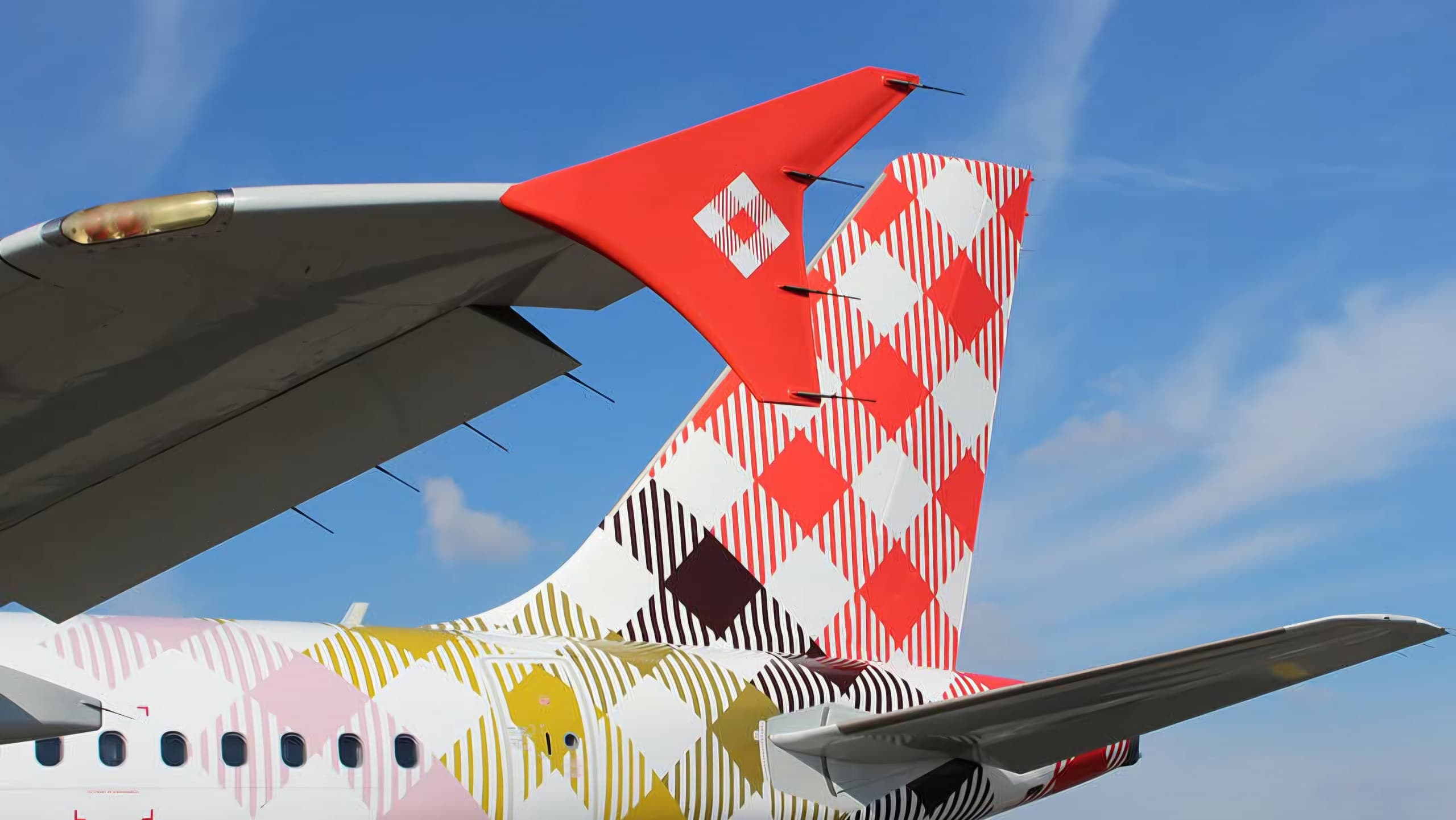
As the conflict in the Middle East drives a sharp increase in kerosene prices, airlines are passing costs to passengers. Spanish low-cost carrier Volotea has gone a step further with its 'Fair Travel Promise' mechanism, which allows the airline to adjust the price of already-paid tickets—up or down—based on fuel prices recorded seven days before departure. While Volotea presents this as a fair and transparent approach, legal experts and passenger rights associations argue it likely violates European Union law.
Volotea's new pricing scheme, rolled out in mid-March on select flights, means the price paid at booking is no longer final. The airline can adjust it up to seven days before departure, depending on changes in fuel costs relative to an internal reference value. A surcharge of up to €14 per passenger per flight may be applied if kerosene prices exceed a set threshold, while a drop in prices theoretically triggers a partial refund. Volotea claims that 97% of affected customers have confirmed their travel since the scheme's introduction, suggesting market acceptance. The airline emphasizes that passengers are informed at booking and can cancel if they disagree with any surcharge.
The move comes amid rising oil and kerosene prices fueled by the ongoing Middle East conflict, which has been escalating since late February. Low-cost carriers, which operate on thin margins and aggressive pricing, are particularly vulnerable. Several airlines, including Transavia, Ryanair, and Volotea itself, have already adjusted schedules or raised fares on certain routes. This context explains the temptation to introduce variable fuel surcharges, similar to indexation clauses seen in package holidays. However, applying such mechanisms to standalone air tickets—'flight-only' sales—remains legally restricted, and potentially prohibited, within the European Union.
Passenger rights group Flightright argues that Volotea's surcharge violates EU Regulation 1008/2008, which requires the final price to be clearly indicated at the start of the booking process and to be 'definitively fixed at the time of purchase without possibility of subsequent modification' for flight-only tickets. Legal experts note that once a contract is concluded, the price cannot be unilaterally changed. Exceptions exist only for specific cases, such as new government or airport taxes explicitly mentioned in the terms and conditions. The Court of Justice of the EU has consistently ruled that airfares must include all transport-related costs at the time of contract conclusion, leaving little room for unilateral revisions not provided for by law.
The distinction between what Volotea is attempting and what the law allows largely depends on the product type. For package holidays combining transport and accommodation, EU law permits price revisions up to 20 days before departure under certain conditions, provided the contract allows it and the increase is justified. However, for standalone flight tickets, no such flexibility exists. Flightright insists that once a flight-only ticket is paid for, the price is locked. The only admitted exceptions are those explicitly stated in the general conditions of sale, such as government-imposed taxes. Volotea's 'Fair Travel Promise' thus appears to be on shaky legal ground, and regulators may soon take action to protect passenger rights.