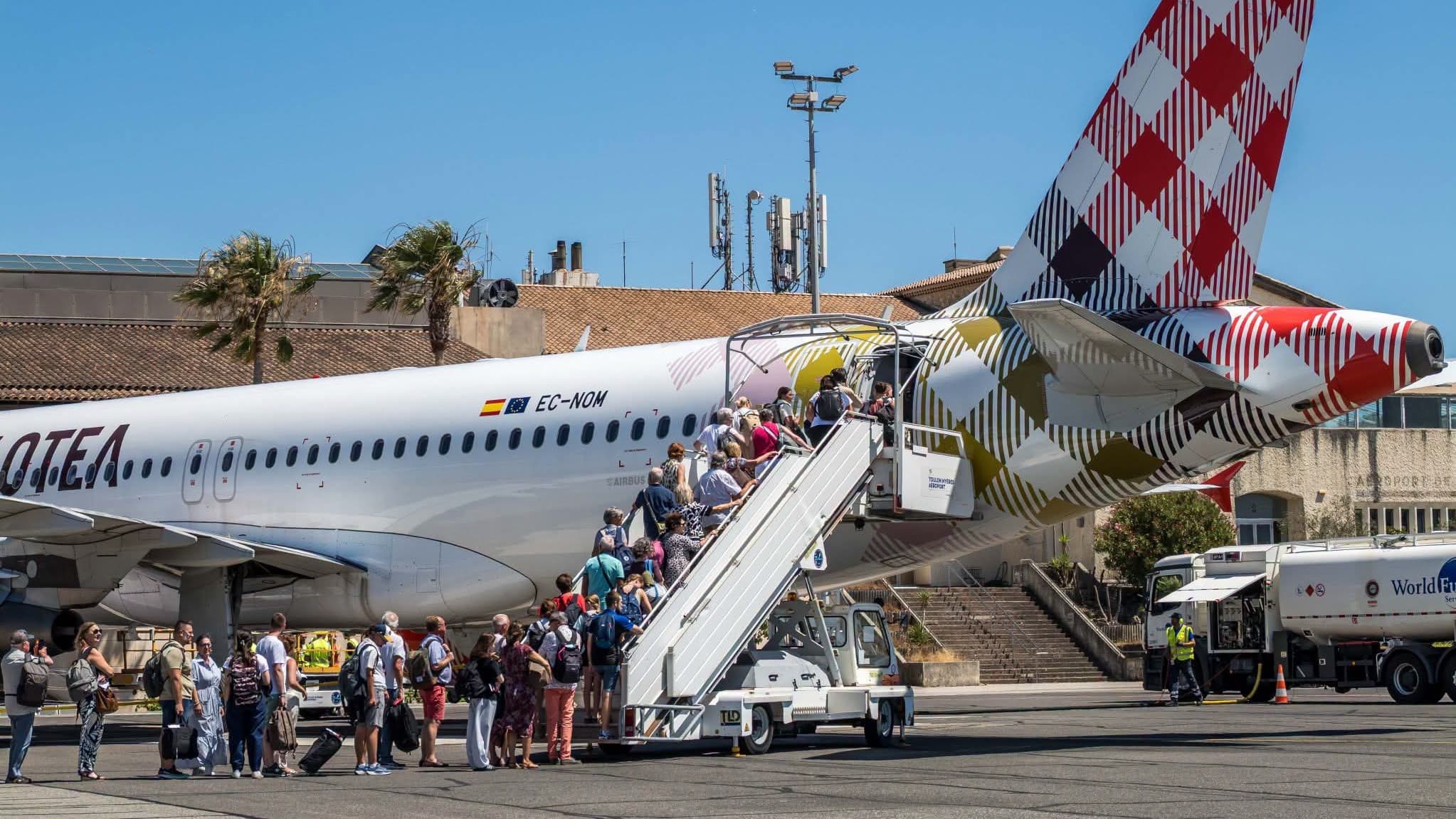
The Spanish low-cost carrier Volotea has been fined by the French Directorate General for Competition, Consumer Affairs and Fraud Control (DGCCRF) for a controversial pricing practice. In March 2026, the airline launched its "fair travel commitment," which allowed it to adjust the price of already-purchased tickets based on fluctuations in oil prices. Under this scheme, Volotea could charge passengers up to 14 euros more per flight if the price of a barrel of oil exceeded a certain threshold. Conversely, it promised refunds if oil prices dropped. The DGCCRF ruled that this practice violates European regulations, specifically a 2008 regulation requiring a clear and final price at the time of purchase.
For ATPL and ATC students, this case is a practical illustration of how European consumer protection laws directly impact airline operations. The 2008 regulation (EC No 1008/2008) is a cornerstone of airfare transparency in the EU, and it is essential for future aviation professionals to understand its implications. Airlines must display the final, all-inclusive price at the point of sale, including taxes, fees, and surcharges. Any post-purchase adjustments, except for very limited exceptions like government-imposed taxes, are prohibited. This ruling reinforces that even during periods of high fuel price volatility, airlines cannot shift cost risks onto consumers after the transaction is complete.
The DGCCRF ordered Volotea to cease the practice immediately, under penalty of 3,000 euros per day of delay. Volotea complied and ended the scheme for all new bookings as of June 10, 2026. The airline had claimed that 97% of affected customers accepted the mechanism, but the regulator emphasized that consumer consent does not override the law. This case also highlights the role of national enforcement bodies in upholding EU regulations, a key point for ATC students who work within a harmonized European airspace framework.
From an operational perspective, this incident underscores the importance of transparent pricing in maintaining consumer trust and regulatory compliance. For ATPL students, understanding these rules is crucial when working for airlines that operate within or to/from the EU. The case also raises broader questions about the balance between airline profitability and consumer rights, especially in times of geopolitical tensions that affect fuel costs. As future pilots and controllers, you may encounter situations where pricing disputes affect flight operations or passenger relations, so knowing the legal framework is part of your professional toolkit.
In summary, the Volotea case is a reminder that aviation is a heavily regulated industry where consumer protection rules are strictly enforced. For students training for ATPL or ATC licenses, this is not just a news item but a real-world example of the regulatory environment you will operate in. Stay informed about such developments, as they shape the commercial and operational landscape of aviation.