**Industry Context: Why This Matters**
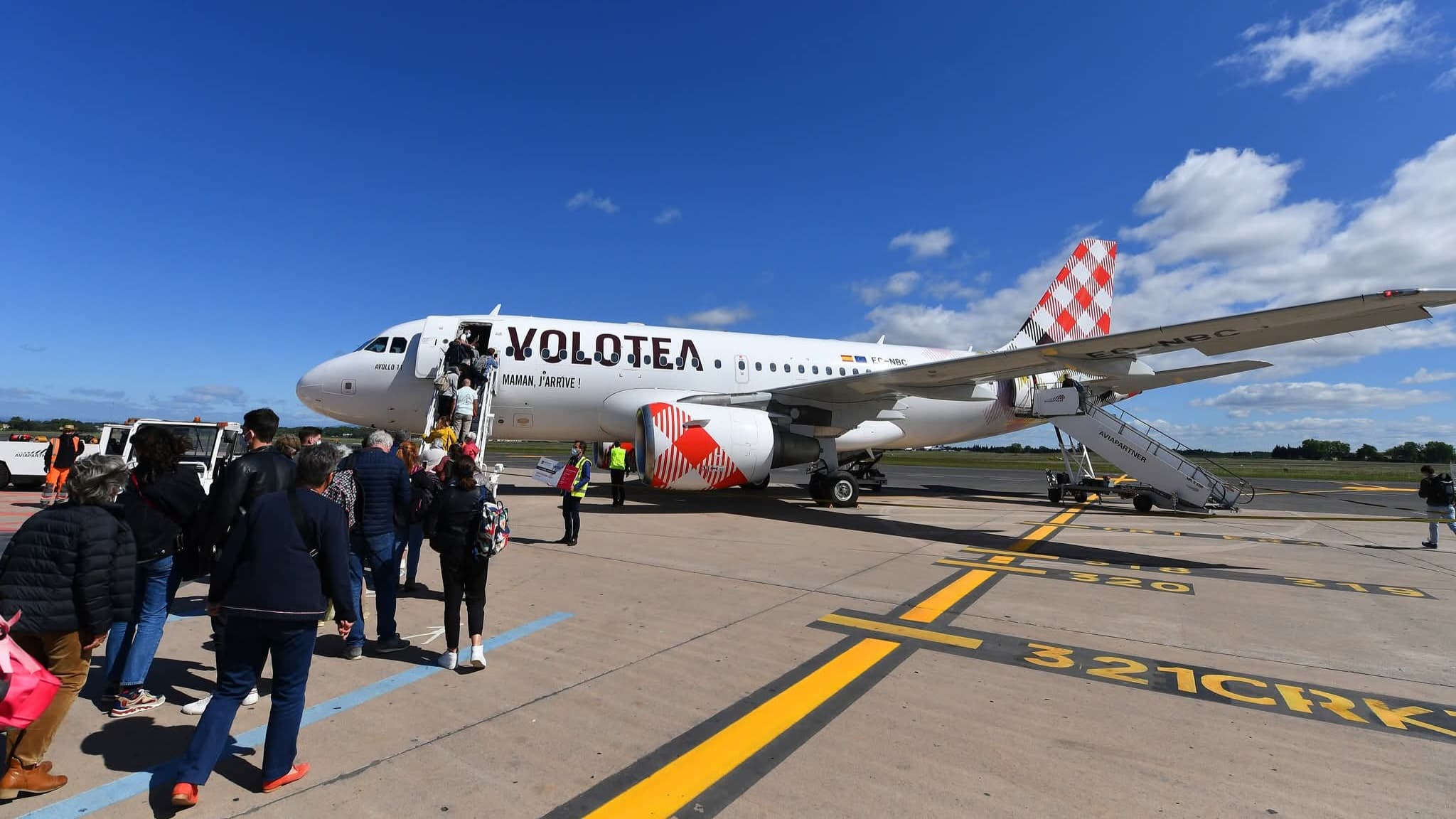
The decision by Spanish low-cost carrier Volotea to scrap its controversial fuel surcharge—applied days after ticket purchase—is more than a consumer win. It is a textbook example of how European aviation regulation enforces pricing transparency, a topic directly relevant to ATPL and ATC students who will work in an environment where fare structures, taxes, and surcharges are tightly controlled.
Volotea introduced the surcharge in March 2025, citing rising kerosene prices linked to geopolitical tensions in the Middle East. Passengers were charged between €6 and €14 per person per flight, calculated based on Brent crude oil prices approximately seven days before departure. The fee was applied retroactively to tickets already paid for, with passengers given the option to change flights for free or cancel for a voucher—but risking ticket loss if they refused to pay.
**Regulatory Pushback and EU Rules**
The practice drew immediate scrutiny. Italy's competition authority (AGCM) opened an investigation for alleged unfair commercial practices, arguing that the surcharge misled passengers by displaying an incomplete price at booking. Spain's consumer association Facua filed a complaint with the Ministry of Consumption, denouncing retroactive pricing as contrary to EU transparency rules. The European Commission clarified in May that airlines are not permitted to impose additional charges retroactively and that the final price must be shown at the time of reservation.
Under pressure, Volotea announced on June 10 that it would remove the surcharge for new bookings. CEO Carlos Muñoz stated that the airline would continue to absorb fuel cost increases and offer unlimited flexibility at no extra cost.
**MyATPS Angle: What This Means for Training**
For ATPL candidates studying air law and commercial operations, this case reinforces the principle of "price transparency" under EU Regulation 1008/2008, which requires that all unavoidable and foreseeable charges be included in the advertised fare. ATC students, while not directly involved in pricing, benefit from understanding how economic pressures on airlines can affect route planning, load factors, and operational decisions—factors that influence traffic flow and slot allocation.
Moreover, the episode highlights the growing role of consumer protection agencies in aviation, a topic often covered in ATPL modules on aviation law and ethics. Knowing how regulators interpret "final price" helps future pilots and controllers appreciate the legal framework that governs the industry they will serve.
**Conclusion**
Volotea's retreat is a clear signal that retroactive surcharges are not tolerated in the EU. For aviation trainees, it serves as a practical case study in regulatory compliance and the importance of transparent pricing—a lesson that extends beyond the cockpit or control tower into the business of flying.