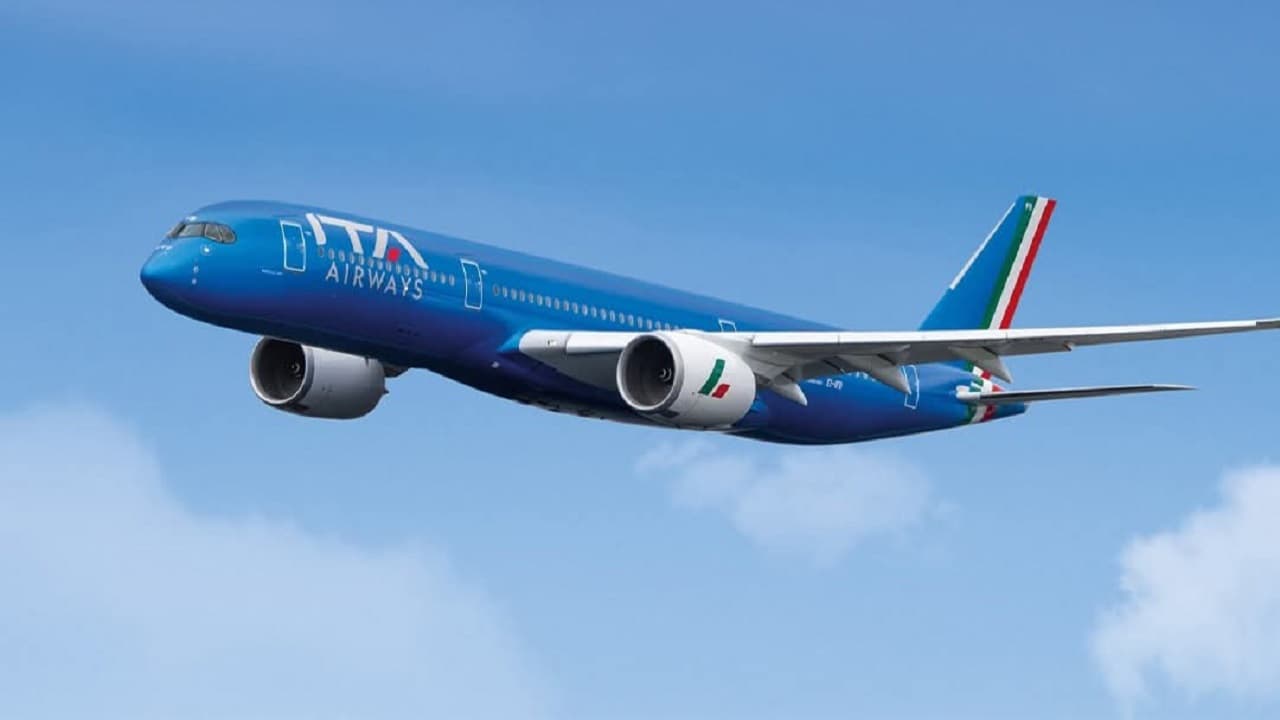
The aviation industry in Europe is witnessing a strategic shift as airlines increasingly forge partnerships to optimize networks and compete in a crowded market. Volotea, a low-cost carrier specializing in connections between small and medium-sized European cities, and ITA Airways, Italy's flagship network airline, have announced a bilateral codeshare agreement set to take effect on April 15, 2026. This move, building on prior cooperation such as joint bids for subsidized routes in Sardinia, aims to strengthen ties between Italy and the rest of Europe by offering passengers more seamless travel options. Specifically, the agreement will integrate Volotea's flights into Rome-Fiumicino with ITA Airways' network from its Roman hub, enabling up to 104 origin-destination combinations on a single ticket. This collaboration combines Volotea's regional presence in Spain and France with ITA's domestic and international reach from Fiumicino and Milan-Linate, facilitating access to destinations like Milan-Linate, Catania, Frankfurt, Paris, and London.
From an industry perspective, this partnership highlights the growing trend of hybrid alliances where low-cost and full-service carriers complement each other to enhance connectivity. For ATPL and ATC students, understanding such codeshare agreements is crucial as they directly impact flight operations, scheduling, and passenger flow management. Rome-Fiumicino will serve as the primary connection point, streamlining transfers and potentially increasing traffic volumes, which could affect air traffic control procedures and airport capacity planning. Students should note how these agreements can lead to more complex routing and coordination challenges, especially during peak travel seasons.
ITA Airways, established in 2021 from the remnants of Alitalia, has focused on a network model with an all-Airbus fleet, targeting growth to 120 aircraft by 2030. Financially, it turned profitable in 2025 with a net income of €209 million, operating over 123,000 flights and carrying 16.2 million passengers. Volotea, active in Italy since 2012, operates a dense network from 23 airports and plans to expand its fleet to 45-46 Airbus A319 and A320 aircraft by 2026. For the 2026 season, it projects over 430 routes and 14 million seats offered. This codeshare allows ITA to tap into Volotea's regional destinations like Asturias, Bilbao, and Bordeaux, while Volotea gains visibility in new European markets.
In the context of aviation training, this development underscores the importance of network dynamics and partnership strategies in shaping Europe's air transport landscape. ATPL students must grasp how codeshares influence fleet utilization, route profitability, and operational synergies, while ATC trainees should consider the implications for airspace management and airport congestion. As airlines like ITA and Volotea evolve, staying informed about such collaborations helps future professionals anticipate changes in industry standards and regulatory frameworks, ensuring they are prepared for the complexities of modern aviation operations.