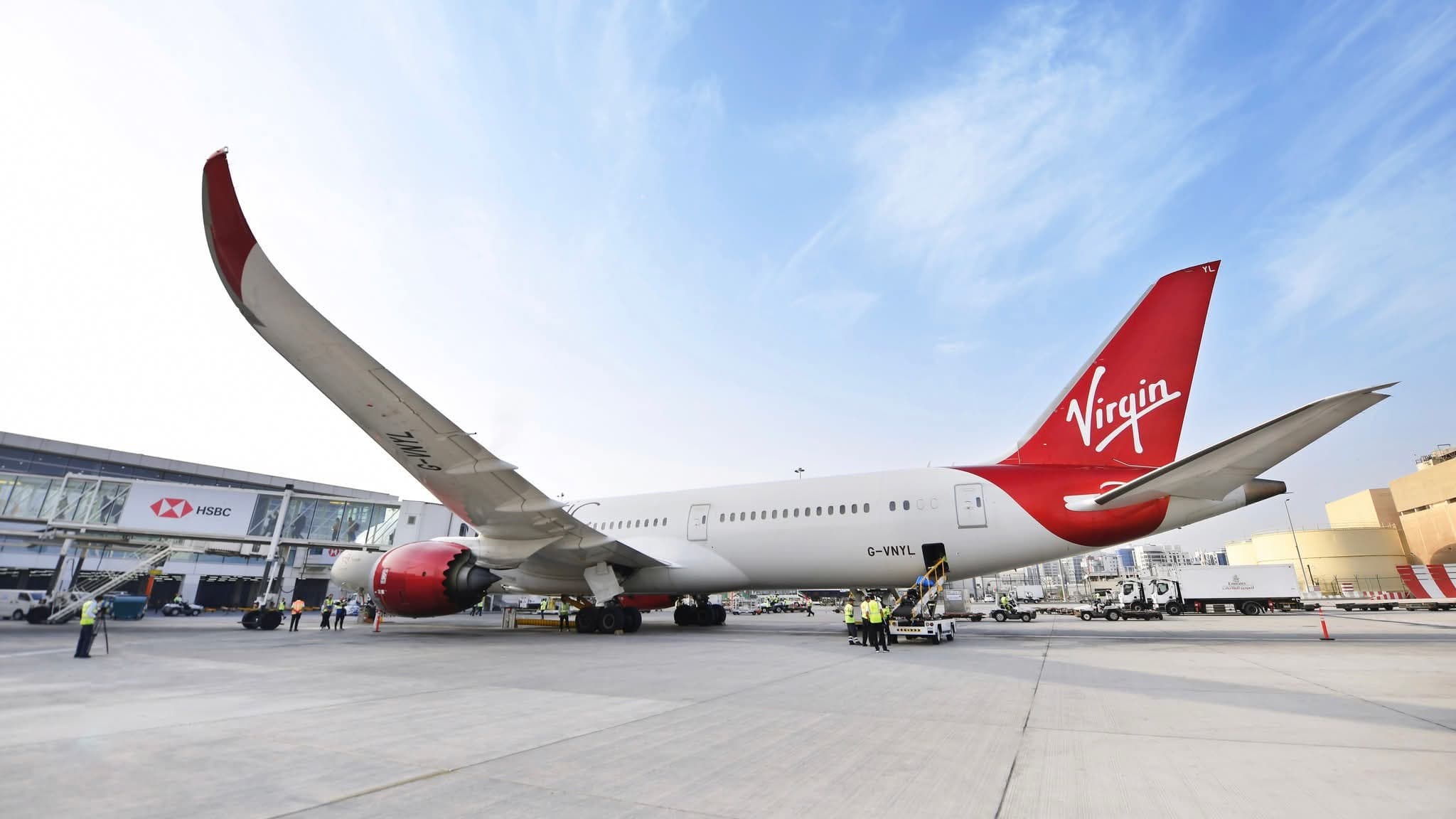
Virgin Atlantic has unveiled a groundbreaking integration with ChatGPT, positioning itself as the first airline globally to launch a dedicated application within the AI chatbot. This tool allows users to input conversational queries—such as "flights to the Caribbean in February" or "Premium class to Los Angeles next month"—and receive real-time flight options from Virgin Atlantic's inventory, before being redirected to the airline's website or mobile app to complete the booking. This initiative is part of a broader digital strategy, building on the airline's existing AI-powered Concierge service, which is set to be fully deployed across Virgin Atlantic and Virgin Atlantic Holidays platforms by late 2025 to early 2026.
From an industry perspective, this development underscores the accelerating adoption of generative AI in aviation, particularly in enhancing customer-facing operations. Airlines are increasingly leveraging AI to improve user experience, reduce manual workloads, and stay competitive in a digital-first travel landscape. For instance, other carriers like American Airlines have implemented AI tools for automated re-routing during disruptions, while tech giants like Google have introduced AI-based flight search features. Virgin Atlantic's move signals a trend towards more intuitive, conversational interfaces that bridge the gap between inspiration and purchase, potentially reshaping how travelers interact with airlines.
For ATPL and ATC students, this news is more than a marketing gimmick—it reflects the evolving technological ecosystem that future aviation professionals will navigate. As pilots and controllers, understanding these AI integrations is crucial because they impact passenger behavior, airline operations, and even flight planning indirectly. For example, AI-driven tools can influence booking patterns, leading to changes in flight schedules or load factors that pilots must account for during pre-flight preparations. Additionally, ATC students should note how such innovations might affect passenger communication and airline responsiveness during irregular operations, such as delays or cancellations, where AI could streamline rebooking processes and reduce congestion in customer service channels.
Moreover, this trend highlights the importance of digital literacy in modern aviation careers. ATPL students, who will operate advanced aircraft with integrated AI systems, can draw parallels between consumer-facing AI like ChatGPT and cockpit automation tools, emphasizing the need for proficiency in human-machine interfaces. ATC students, meanwhile, should consider how AI-enhanced airline operations might interface with air traffic management systems, potentially improving data sharing and coordination. While this specific application focuses on customer service, it serves as a reminder that technology is permeating all facets of aviation, from booking to takeoff, requiring professionals to stay adaptable and informed.
In summary, Virgin Atlantic's ChatGPT integration is a significant step in the digital transformation of aviation, offering lessons in innovation and customer engagement. For those in training, it reinforces the value of embracing technological advancements to enhance safety, efficiency, and service in their future roles.