**A New Player in the Australian Skies**
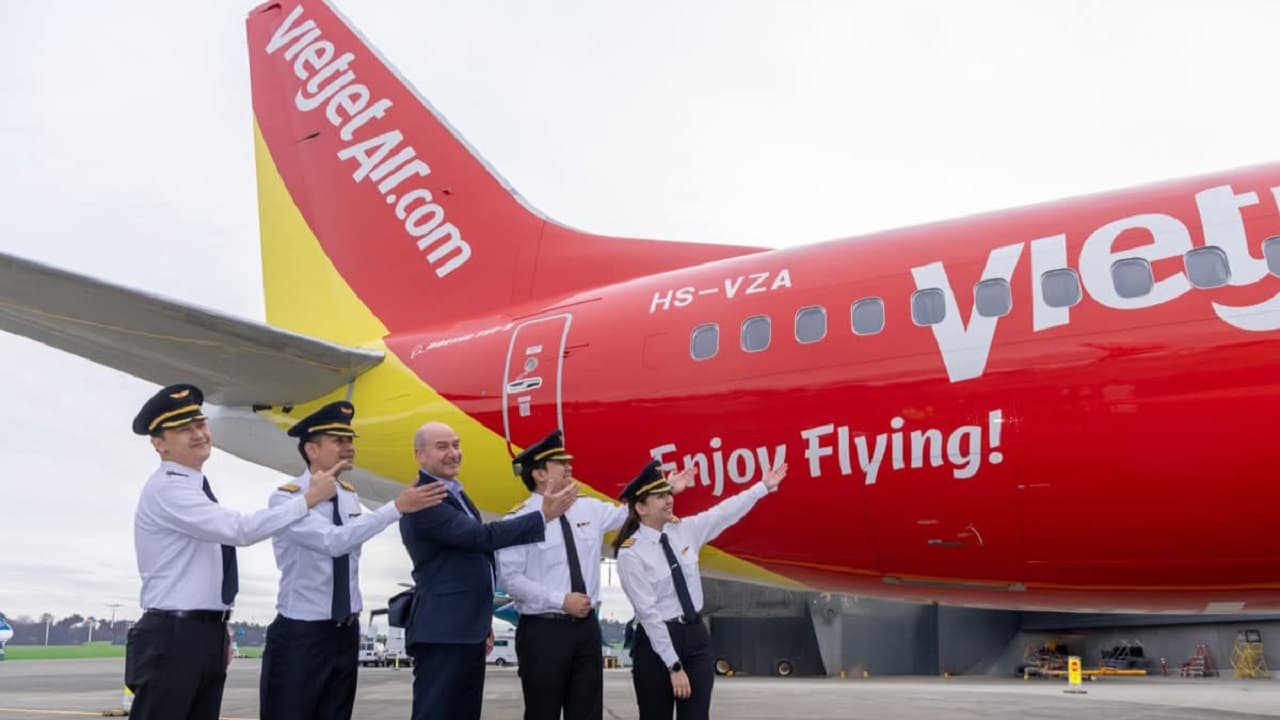
Vietnamese low-cost carrier VietJet Air has announced plans to establish an Australian subsidiary to operate domestic flights, targeting a launch in 2027. This initiative, reported by the *Australian Financial Review* and other local media, would mark the first foreign entry into Australia's domestic market since Tiger Airways in 2007. The project involves applying for an Air Operator Certificate (AOC) from the Civil Aviation Safety Authority (CASA) and initially deploying a fleet of around ten Boeing 737 MAX 8 aircraft on high-density routes like Sydney–Melbourne and Sydney–Brisbane.
**Why This Matters for Aviation Students**
For ATPL and ATC trainees, this development is a real-world example of how airline strategy intersects with regulatory frameworks. The AOC application process in Australia typically takes six to twelve months and includes rigorous checks on technical capability, safety standards, and financial viability. Understanding these steps is crucial for future pilots and controllers who will work within such regulatory environments. Additionally, the choice of the Boeing 737 MAX 8—a type already in widespread use—highlights fleet commonality considerations that affect pilot training and maintenance planning.
**Market Dynamics and Competitive Landscape**
Australia's domestic market is one of the most concentrated globally, dominated by the Qantas Group (including Jetstar) and Virgin Australia. The Sydney–Melbourne route is the world's sixth busiest, according to OAG data. VietJet's entry could intensify competition, potentially lowering fares and increasing frequency—factors that directly impact flight scheduling and airspace management. For ATC students, this means more traffic on already congested corridors, requiring efficient sequencing and coordination. For pilots, it means new opportunities and challenges in a market that has seen limited new entrants.
**Regulatory and Operational Considerations**
Australia's relatively liberal ownership rules allow foreign entities to hold significant stakes in domestic airlines, making it an attractive market for expansion. VietJet already operates international flights to Australia from Vietnam, giving it brand recognition and operational experience. However, establishing a domestic subsidiary requires separate certification, local staffing, and compliance with Australian aviation regulations. This process offers a valuable lesson in cross-border aviation management, covering topics from crew licensing to maintenance standards.
**Conclusion**
VietJet's ambitious plan is more than just business news—it's a textbook case for aviation students. It illustrates how low-cost models adapt to new markets, the importance of regulatory compliance, and the strategic use of aircraft types. As the project progresses, it will provide ongoing insights into the practical challenges of launching an airline, from securing an AOC to managing fleet operations in a competitive environment.