**Industry Context and MyATPS Angle**
The recent warning from the U.S. Department of Homeland Security (DHS) about suspending customs operations at major international airports—including Newark, Boston, Chicago, and Los Angeles—has sent shockwaves through the aviation industry. For ATPL and ATC students, this is not just a political dispute; it is a real-world case study in how regulatory and geopolitical decisions can reshape air traffic management, airport operations, and flight planning. Understanding these dynamics is crucial for future pilots and controllers who will navigate such disruptions.
**The Threat and Its Scope**
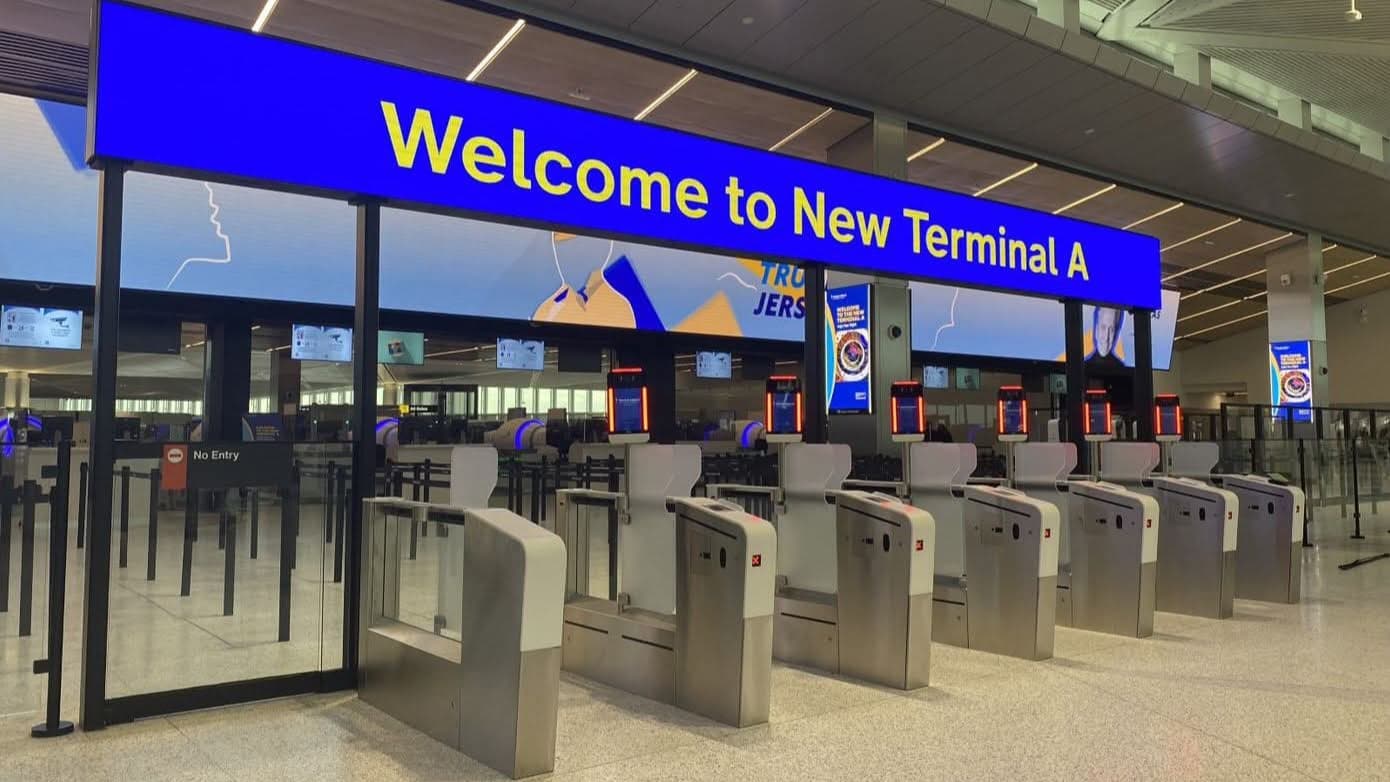
On Thursday, DHS Secretary Markwayne Mullin indicated that the administration is considering removing Customs and Border Protection (CBP) agents from Newark Liberty International Airport, effectively suspending international passenger and cargo processing. This measure targets so-called "sanctuary cities" that limit cooperation with federal immigration enforcement. The DHS has identified over a dozen other airports in similar jurisdictions, including Boston, Denver, Philadelphia, Chicago, Los Angeles, Seattle, and San Francisco. While no official list has been published, the potential impact is staggering: according to the U.S. Travel Association, a full suspension of international arrivals and departures at 20 airports could affect tens of millions of passengers annually and cost tens of billions of dollars in economic damage.
**Immediate Consequences for Aviation**
Airlines for America (A4A), representing major carriers like American, Delta, United, and Southwest, warns that international flights would be forced to divert to a limited number of airports still processing international traffic. This would overwhelm terminals, create endless queues at border controls, and trigger a cascade of cancellations and delays, even for domestic flights. Cargo operations would suffer even more, as high-value goods like pharmaceuticals, electronics, and semiconductors rely on just-in-time delivery through these hubs. The Cargo Airline Association has stressed that rerouting air freight without severe economic repercussions is nearly impossible.
**Internal Divisions and the World Cup Factor**
Notably, the threat has drawn criticism from within the administration itself. Transportation Secretary Sean Duffy called the plan "nonsensical," warning it would paralyze an already strained sector. The U.S. Travel Association echoed this, calling the potential consequences "devastating." This internal rift highlights the tension between immigration enforcement and the need to maintain critical aviation infrastructure. The timing is particularly explosive: the 2026 FIFA World Cup, co-hosted by the U.S., Canada, and Mexico, is expected to bring 5 million additional visitors, with 60 of 80 matches on U.S. soil. Airports like Newark, JFK, and LaGuardia will be key gateways for fans heading to MetLife Stadium. Any disruption could tarnish the country's image and strain an already fragile system.
**What This Means for ATPL and ATC Students**
For those in aviation training, this scenario underscores the importance of understanding regulatory frameworks, contingency planning, and the ripple effects of policy decisions. Pilots must be prepared for sudden route changes, airspace restrictions, and coordination with ATC during crises. Controllers need to manage diversions, slot allocations, and communication with multiple stakeholders. This is a textbook example of how non-aviation factors—like immigration policy—can directly impact flight operations, safety, and efficiency.