**A new US health directive targets airline crews**
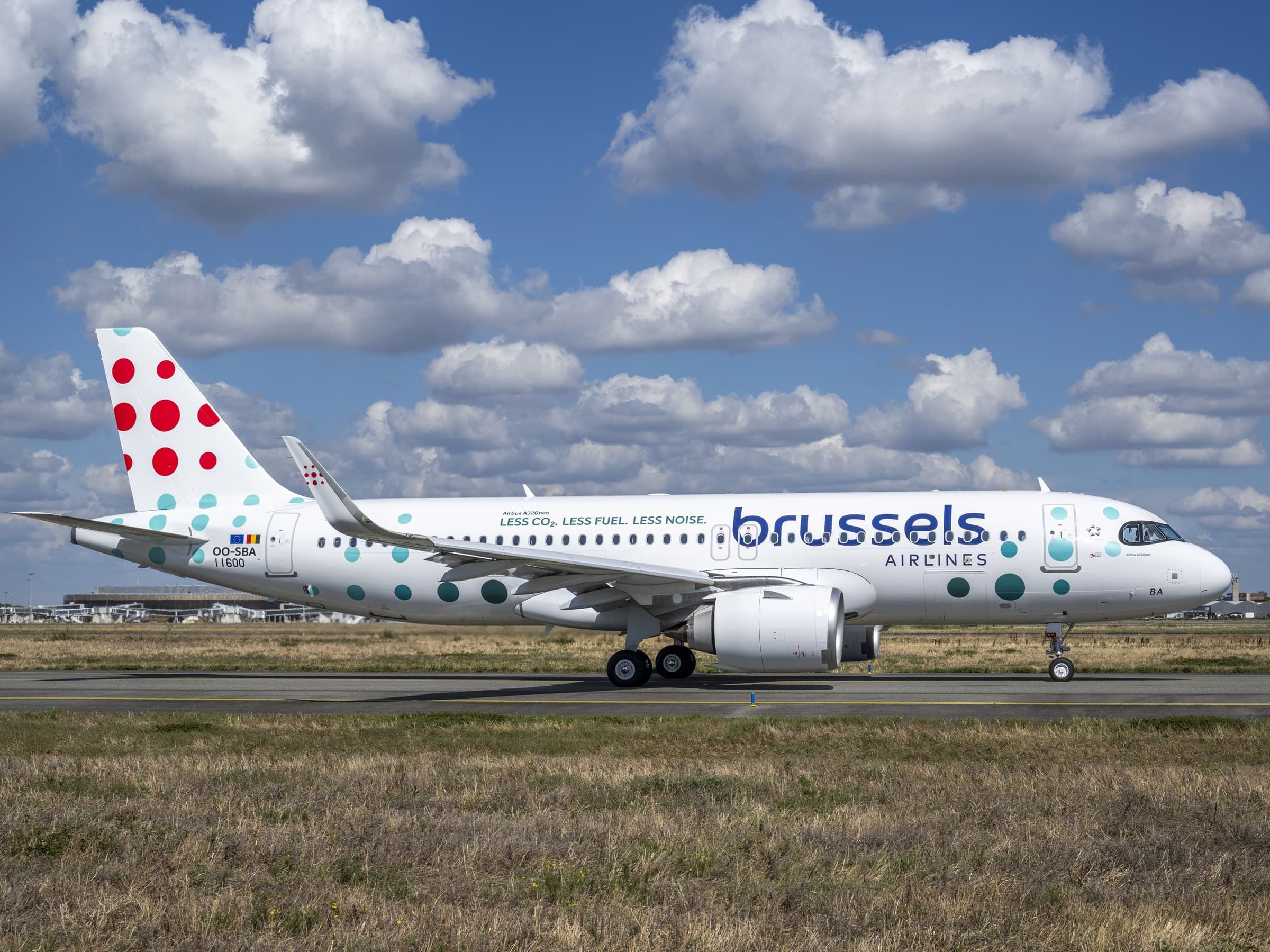
On May 26, 2026, the United States issued a directive barring entry to crew members who have spent time in the Democratic Republic of Congo (DRC) or Uganda within the 21 days prior to their arrival. This measure, part of enhanced Ebola screening, adds to existing passenger restrictions that already funnel flights from affected countries to a handful of US airports for health checks. For airlines like Brussels Airlines, which operates a dense African network from its Brussels hub, the rule directly impacts crew scheduling on routes linking Kinshasa and Entebbe to New York and Washington.
**Brussels Airlines adapts crew planning**
Brussels Airlines, the Lufthansa Group's designated Africa specialist, confirmed it is making "significant adjustments" to crew rosters to ensure no crew member assigned to US flights has recently been in DRC or Uganda. The goal is to decouple Africa–US rotations so that the 21-day waiting period is respected without altering flight schedules. The airline states that "these changes are implemented without impact on the current flight schedule," meaning passengers see no disruption, but the complexity for planning and HR teams has increased sharply. The carrier does not rule out future operational tweaks if restrictions expand geographically or temporally, drawing on lessons from the COVID-19 pandemic.
**Why this matters for aviation training**
For ATPL and ATC students, this case illustrates how public health regulations can cascade into operational constraints that test crew resource management, fatigue risk management, and regulatory compliance. Understanding how airlines manage crew legality under shifting rules—such as rest periods, duty times, and quarantine windows—is a real-world application of the theoretical knowledge taught in ATPL syllabi. ATC students, meanwhile, see how health screening at designated airports (like Washington-Dulles) affects traffic flow and coordination between airlines and border agencies.
**Broader implications for Africa–US connectivity**
Brussels Airlines emphasizes its role as a reliable partner for Africa, noting that flights are "more than ever essential to maintain connectivity and transport essential medicines and medical personnel." This echoes the airline's experience during earlier Ebola outbreaks, when it helped move supplies and specialists. The directive, however, tightens the operational noose: crew must now be scheduled in separate blocks—one for Africa routes, another for US routes—with a 21-day gap between assignments. This reduces crew flexibility and increases the need for robust planning tools, a challenge that the airline is tackling with support from the Lufthansa Group.
**Ongoing coordination with US authorities**
Brussels Airlines says it remains in close contact with US Customs and Border Protection and other agencies to monitor the directive's evolution. The airline is prepared to adapt operations as official guidance changes, following a risk-management playbook refined during COVID-19. For students, this highlights the importance of regulatory awareness and the ability to respond to fast-changing international rules—a skill that ATPL holders and controllers must master to ensure safe and efficient operations.