**A Targeted Loosening of Sanctions**
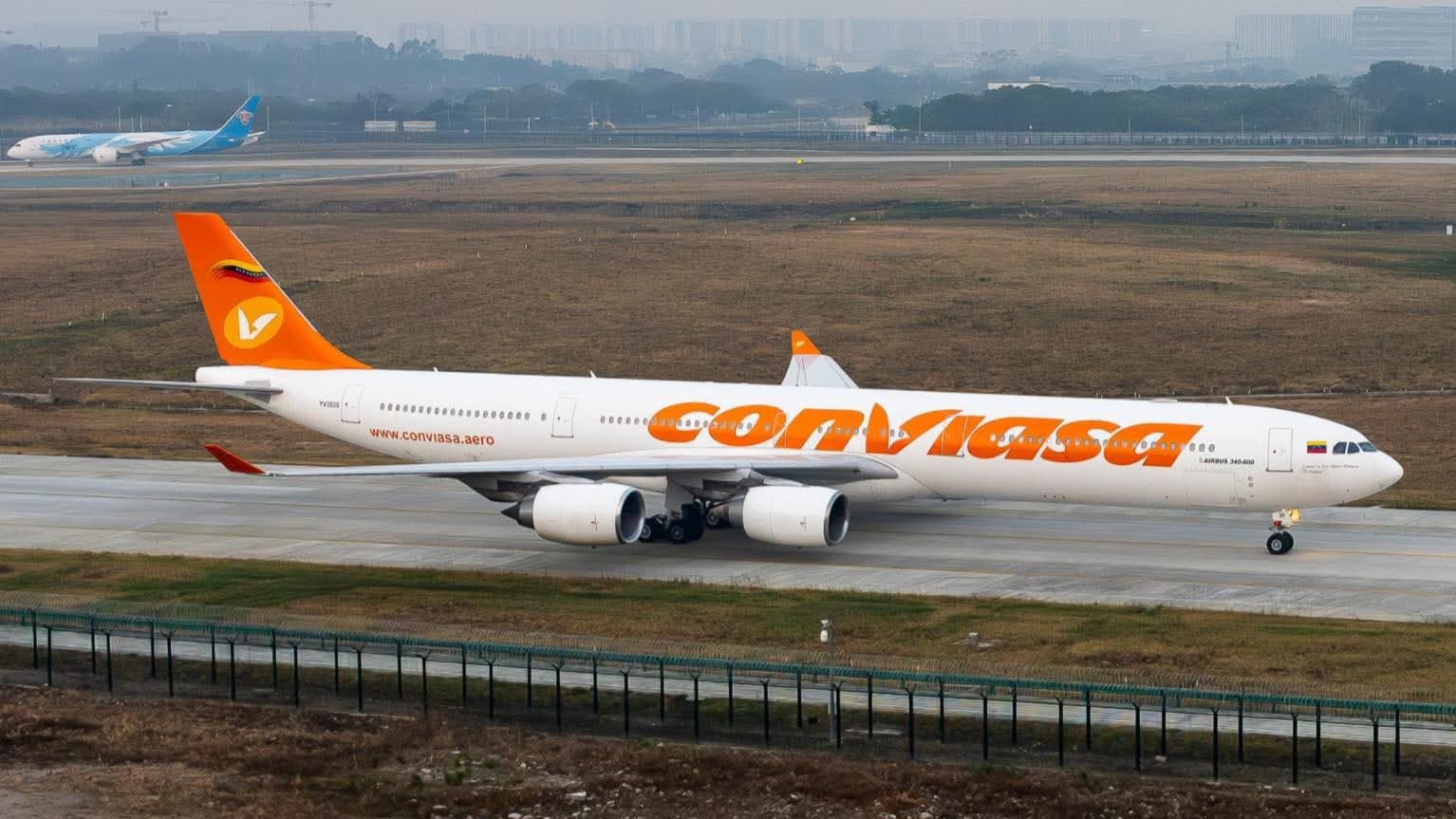
On June 18, the US Department of the Treasury’s Office of Foreign Assets Control (OFAC) published General License 59, authorizing certain transactions with Conviasa, Venezuela’s state-owned airline. This license permits US persons to provide goods, technologies, and services related to maintenance, repair, overhaul, and airworthiness of Conviasa’s aircraft. Specifically, it covers the supply of spare parts and components, software updates, technical assistance and inspections, logistics and customs clearance operations, and associated payment services. In essence, American entities can now help ensure the operational safety of Conviasa’s fleet without needing individual case-by-case licenses.
**Background of Sanctions**
Conviasa has been under heavy US sanctions since 2020, when the Treasury blacklisted the airline and much of its fleet, accusing the Maduro regime of using its aircraft for political purposes—transporting regime officials to Moscow, Havana, and Tehran. These sanctions effectively blocked any commercial interaction between US companies and Conviasa, crippling the airline’s ability to maintain its fleet to international standards.
**What the License Does Not Do**
Despite this easing, the license is strictly limited. It does not lift the freeze on Conviasa’s assets, nor does it authorize transactions with certain countries (Russia, Iran, North Korea, Cuba) or specific entities. Crucially, it does not grant Conviasa any commercial operating rights in the US. The airline still lacks Department of Transportation (DOT) authorization, airport slots, commercial agreements, or insurance compatible with the US market. Therefore, no imminent resumption of flights between Caracas and US cities like Miami or Houston is expected.
**Operational Significance for Airworthiness**
This decision carries major operational importance. An airline cut off from access to spare parts, software updates, and certified maintenance sees its ability to operate safely degrade rapidly. The Russian example since 2022 illustrates this: without access to Western supply chains, some carriers have resorted to cannibalizing aircraft to keep their fleets flying, complicating any return to regulated markets. By authorizing technical support, Washington allows Conviasa to maintain its aircraft to standards potentially compatible with international operations—a prerequisite for any future re-entry into the US market or other regulated airspaces.
**What This Means for ATPL and ATC Students**
For ATPL students, this case underscores how geopolitical sanctions directly impact aircraft maintenance, airworthiness, and operational planning. Understanding the regulatory environment—including OFAC licenses and DOT authorizations—is essential for any career in international aviation. For ATC students, it highlights how airspace access and route planning are influenced by diplomatic relations and sanctions regimes, not just technical factors.