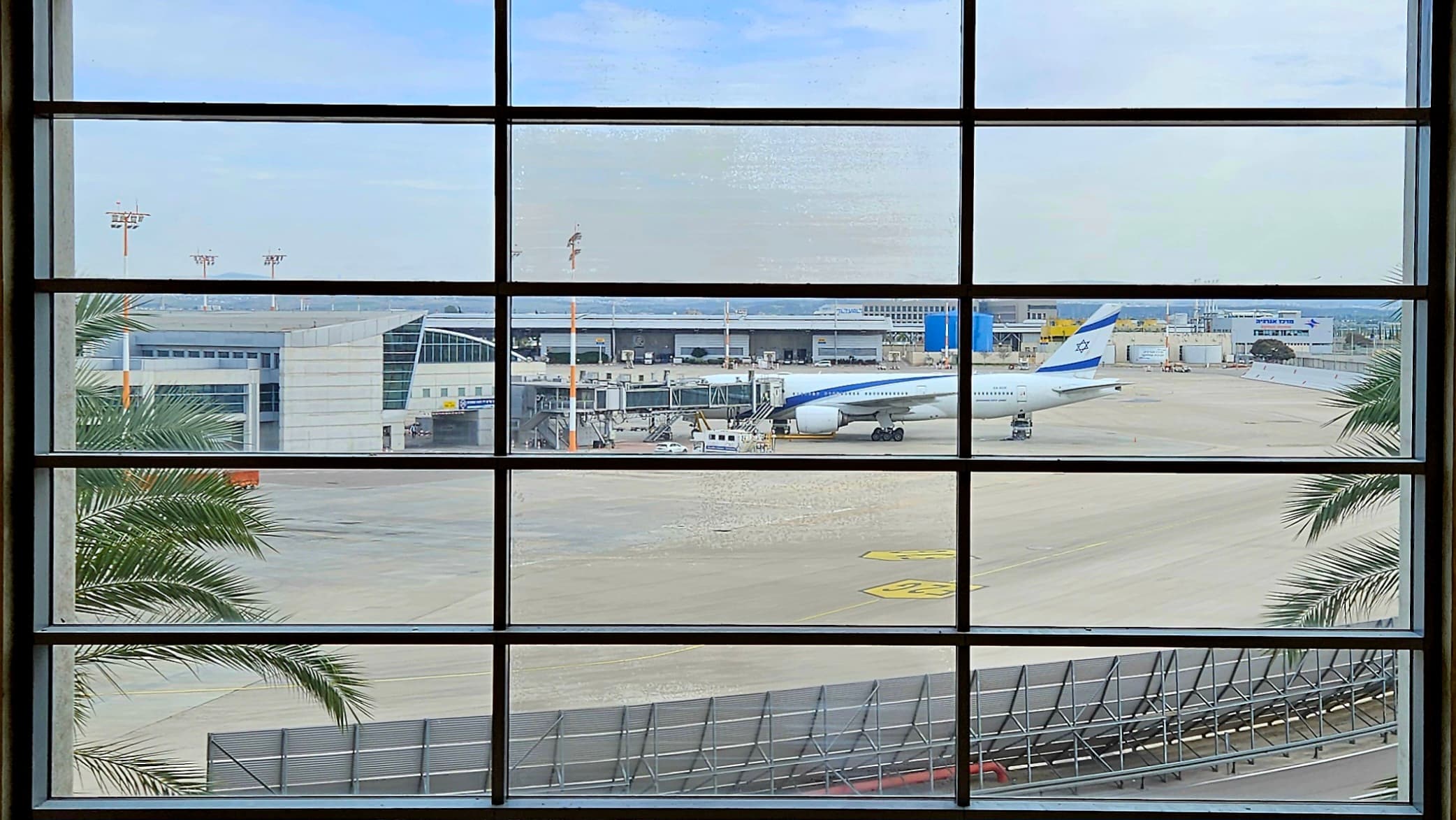
**United Airlines is set to resume its direct service between Newark Liberty International Airport and Tel Aviv's Ben Gurion Airport on September 8, 2025.** The carrier will operate two daily flights on the route using Boeing 787 Dreamliners. This marks a significant step in the gradual reopening of Israeli airspace, which had been closed since February 28 due to the conflict with Iran. The resumption comes just days before Rosh Hashanah, the Jewish New Year beginning on the evening of September 11, a period traditionally characterized by high demand for travel between the United States and Israel.
**United's move positions it as the only major US airline offering a regular nonstop connection to Tel Aviv in the near term.** The airline has historically maintained a strong presence on this route from its Newark hub. Bookings are already open for departures from September 8, but the carrier notes that the schedule remains subject to operational and security conditions in the region. This cautious approach reflects the volatile nature of the Middle East, where airlines must constantly reassess risks and adapt their networks accordingly.
**Delta Air Lines, meanwhile, has extended its suspension of flights between New York-JFK and Tel Aviv, as well as its Atlanta-Tel Aviv service, through September 5.** The airline has also indefinitely postponed the launch of its planned Boston-Tel Aviv route. Delta says it is monitoring the situation and prioritizing the safety of its customers and employees. If the timeline holds, Delta could resume operations on September 5, just days before United, but no resumption has been officially announced.
**American Airlines remains the most cautious of the three, with no plans to restart its New York-JFK to Tel Aviv service before March 27, 2027.** This extends a suspension that began in October 2023 following the Hamas attack on Israel. American's absence leaves the US-Israel nonstop market largely to Israeli carriers El Al and Arkia, which have continued to operate throughout the crisis.
**For aviation students, this story illustrates how geopolitical events directly shape airline network planning and operational decisions.** It highlights the importance of risk assessment, regulatory compliance, and the dynamic nature of route management. Understanding these factors is crucial for future pilots and air traffic controllers, who must be prepared to adapt to changing airspace restrictions and operational challenges. The differing strategies of United, Delta, and American also demonstrate how airlines balance commercial opportunities with safety considerations, a key lesson in aviation management.