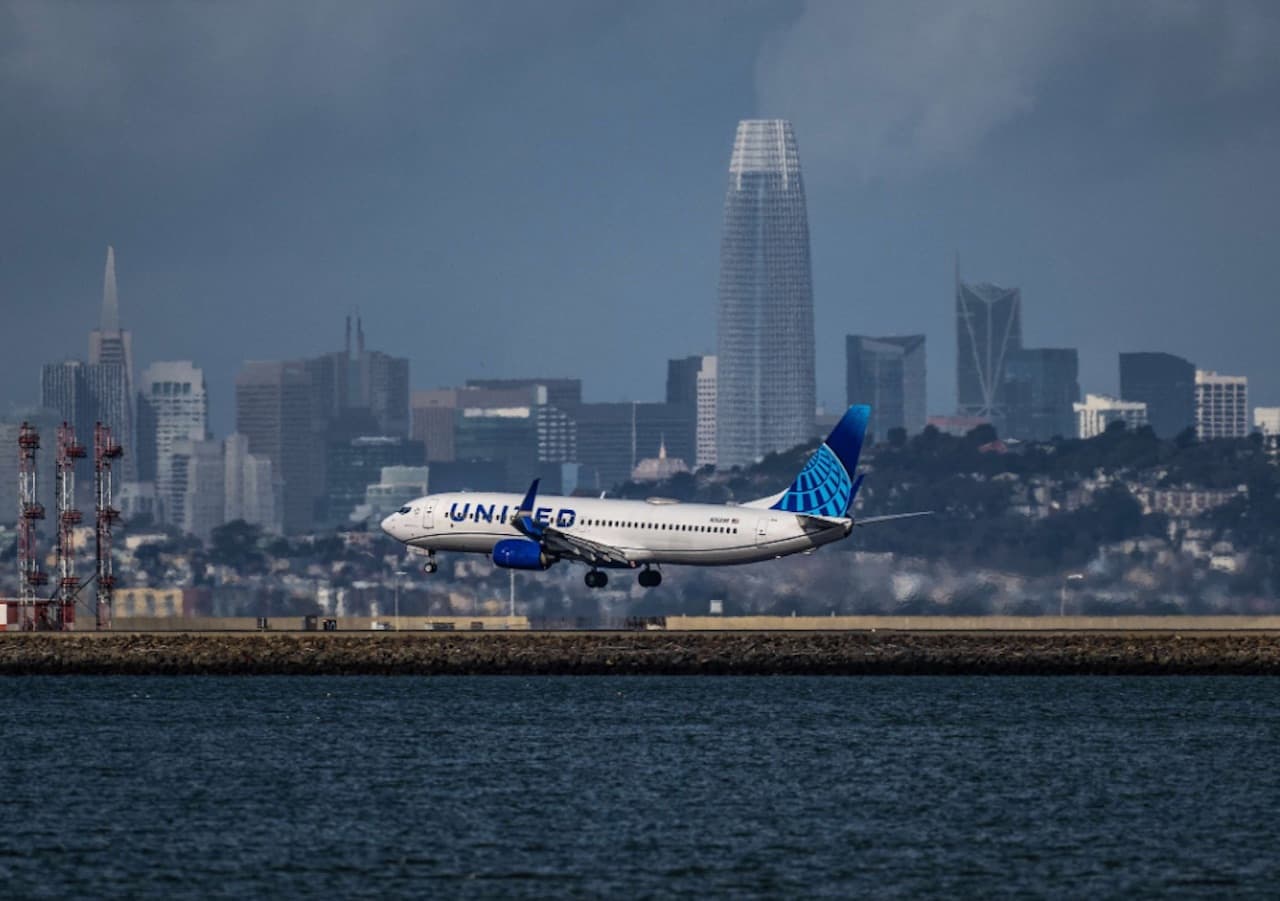
United Airlines is making headlines with its aggressive recruitment of military pilots, having already brought nearly 600 aviators from the U.S. armed forces into its cockpits since 2024. The carrier plans to add another 500 by 2027, leveraging its "United Military Pilot Program" launched in 2023. This program is designed to ease the transition from military to commercial aviation, offering conditional job offers to active-duty and reserve pilots before they even complete their Airline Transport Pilot (ATP) license—a key certification for ATPL students to understand.
The program's structure is particularly relevant for aviation trainees. Unlike civilian applicants, military pilots can apply without holding an ATP, provided they finish all required FAA certifications before starting. United also provides "pilot buddies"—experienced company pilots who guide recruits through regulatory hurdles, exam preparation, and training choices. This model highlights the importance of ATP certification in the U.S. system, which mirrors the ATPL requirements in Europe and other regions. For ATPL students, this underscores the value of structured training pathways and the growing demand for pilots with strong procedural backgrounds.
United's move is part of a broader fleet expansion, with orders for Boeing 737 MAX and 787 aircraft to replace older 757/767s. The influx of military pilots supports this growth, as they bring experience in complex, multi-type operations. For ATC students, this means increased traffic from a rapidly growing fleet, requiring familiarity with diverse aircraft types and operational patterns. The program also reflects a strategic response to ongoing crew shortages, a trend that affects global aviation training needs.
To mark the upcoming 250th anniversary of U.S. independence, United unveiled two special "Stars and Stripes" liveries on a Boeing 787-10 and a 737-800 at Washington Dulles Airport. These aircraft feature red, white, and blue designs with 50 stars and stripes, along with a plaque honoring active-duty military and veterans employed by the airline. This patriotic gesture reinforces the link between military service and commercial aviation, a theme that resonates with the discipline and precision required in ATPL and ATC training.
For ATPL and ATC students, this news illustrates the real-world application of their studies. The military-to-commercial pipeline demonstrates how rigorous training—similar to ATPL modules—prepares pilots for high-stakes environments. It also highlights the importance of regulatory knowledge, such as FAA vs. EASA differences, and the value of adaptability in a dynamic industry. As United continues to hire, it sets a precedent for other airlines, potentially influencing training standards and recruitment strategies worldwide.