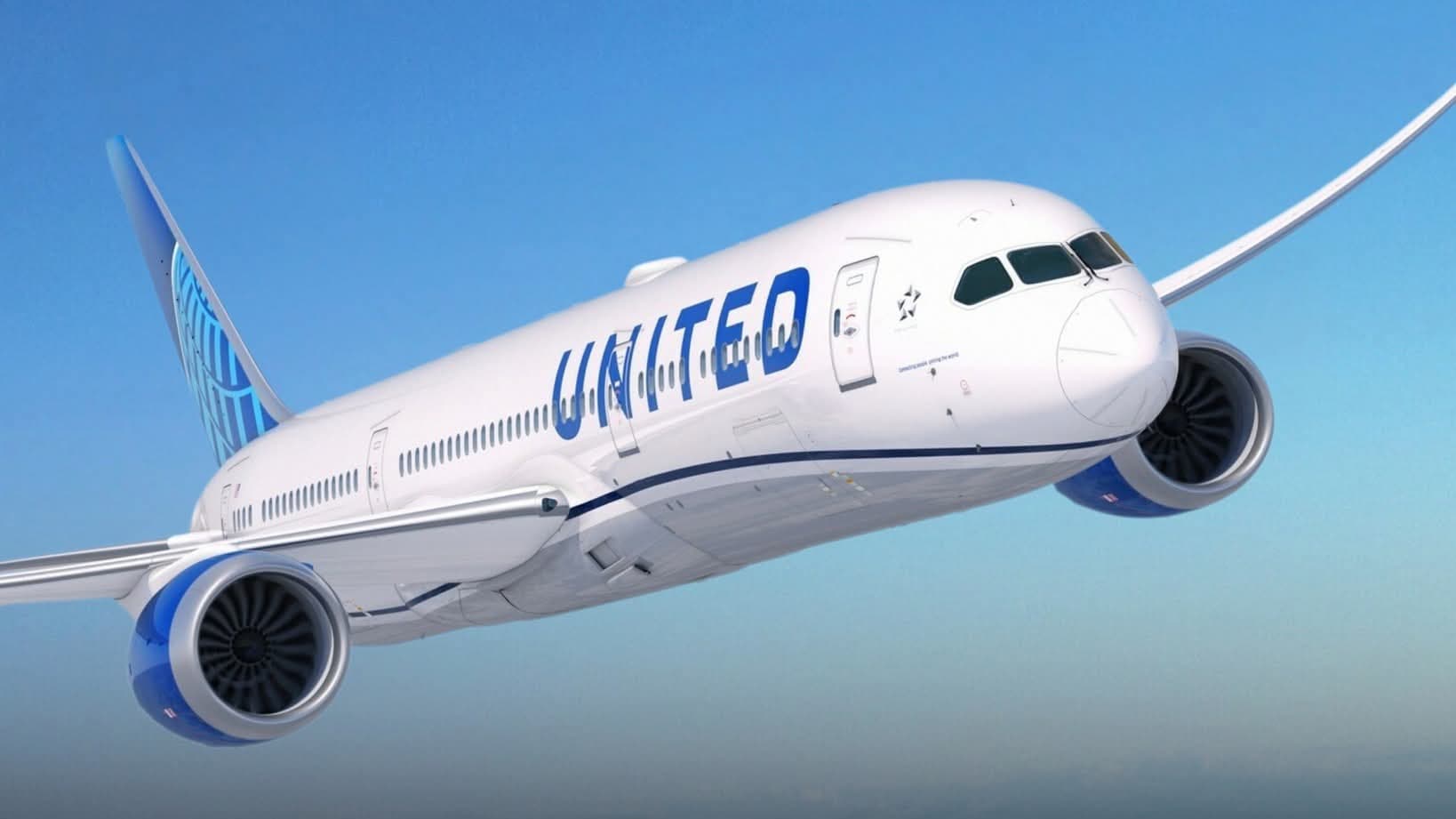
On May 30, 2026, a United Airlines Boeing 767 operating flight UA236 from Newark (EWR) to Palma de Mallorca was forced to turn back over the Atlantic Ocean after a Bluetooth device name was deemed suspicious. The aircraft, carrying 190 passengers and 12 crew members, had departed around 18:00 local time. Hours into the flight, the crew decided to return to Newark, squawking transponder code 7700 to signal an emergency. The plane landed safely at 21:37, after which passengers were deplaned via mobile stairs and subjected to a full security sweep by the Port Authority Police, TSA, and CBP.
The incident began when air traffic control noted that a Bluetooth device visible on the aircraft's network had a name containing a four-letter word considered threatening. The controller stated that the device name required a complete inspection of the aircraft, including the cargo hold. Crew members repeatedly asked passengers to disable Bluetooth devices, but according to social media reports, two devices remained active, heightening concerns. The decision to return to Newark was made in coordination with United's operations center in Chicago.
This event is part of a growing trend of security disruptions caused by wireless device names. In January 2026, a Turkish Airlines Airbus A321 was inspected after a passenger named their Wi-Fi hotspot with a bomb reference. In May 2026, a KLM flight from Malaga to Amsterdam faced hours of delay for a similar reason. These cases underscore the zero-tolerance approach to any perceived threat in aviation, where even a joke can trigger a full security response.
For ATPL and ATC students, this incident is a practical case study in emergency procedures. It demonstrates the importance of transponder code 7700 usage, crew resource management during in-flight security threats, and the coordination between flight crew, ATC, and ground security agencies. Understanding how such events unfold—from initial detection to diversion and post-landing inspection—is crucial for both pilots and controllers. The incident also highlights the need for clear communication with passengers and the role of technology in modern aviation security.