**United Airlines Launches Free Live TV on Seatback Screens via Starlink**
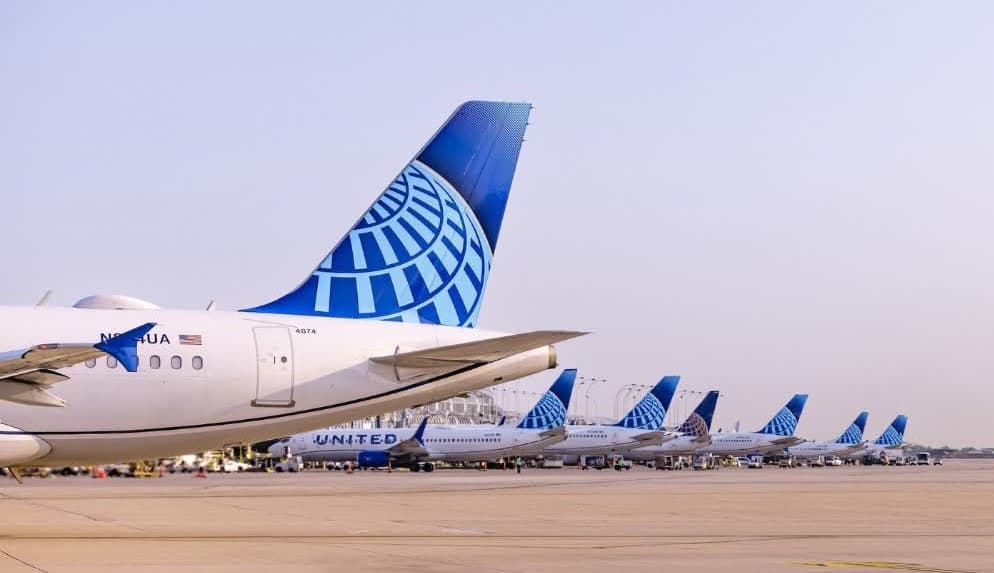
United Airlines has announced a pilot program offering free live television on seatback screens aboard nearly 150 aircraft equipped with Starlink satellite connectivity, in partnership with DIRECTV IN FLIGHT. Running until July 20, 2026, the initiative provides passengers access to over a dozen live channels, including FOX, ESPN, CNN, BBC News, and sports networks, leveraging the high-speed, low-latency capabilities of Starlink. This move is part of United's broader strategy to differentiate itself through superior in-flight connectivity, with over 400 aircraft already equipped and plans to reach nearly 1,000 by end of 2026, aiming for full fleet coverage by 2027.
**Technical and Strategic Implications**
The pilot relies on Starlink's satellite network, which offers broadband speeds comparable to terrestrial connections, even over polar routes. United's Chief Commercial Officer, Andrew Nocella, emphasized that the combination of Starlink's reliability and DIRECTV's live content transforms the seatback screen into a real-time entertainment hub, akin to a smartphone experience. Technically, the system uses applications like Viasat Live TV and Thales 360 to stream live channels via the aircraft's Wi-Fi network, ensuring quality of service even in challenging coverage zones. For ATPL and ATC students, this highlights the growing integration of satellite communications (SATCOM) in commercial aviation, a key topic in modern aircraft systems and air traffic management.
**Impact on Aviation Training**
For future pilots and controllers, understanding satellite-based connectivity is becoming essential. Starlink's deployment on United's fleet—including regional jets, narrowbodies like the Boeing 737 and Airbus A321neo, and eventually widebodies—demonstrates how SATCOM is evolving from a niche tool to a core operational asset. This affects not only passenger experience but also cockpit data links, real-time weather updates, and potential future applications in air traffic control communications. The pilot also underscores the importance of cybersecurity and network management, as streaming live TV requires robust bandwidth allocation and interference mitigation.
**Broader Industry Context**
United's aggressive Starlink rollout, described as the largest such agreement in aviation, sets a new standard for in-flight connectivity. Competitors like Delta and American are also investing in satellite Wi-Fi, but United's focus on seatback screens and free live TV could pressure the industry to enhance passenger offerings. For ATC students, this trend may influence future procedures for data sharing and communications, as aircraft become more connected. The pilot's success could lead to permanent live TV services, reshaping expectations for in-flight entertainment and operational efficiency.
**Conclusion**
United Airlines' live TV pilot is more than a passenger perk; it is a case study in how satellite technology is reshaping aviation. For ATPL and ATC trainees, it reinforces the need to stay abreast of advancements in SATCOM, network architecture, and their implications for safety, efficiency, and passenger satisfaction.