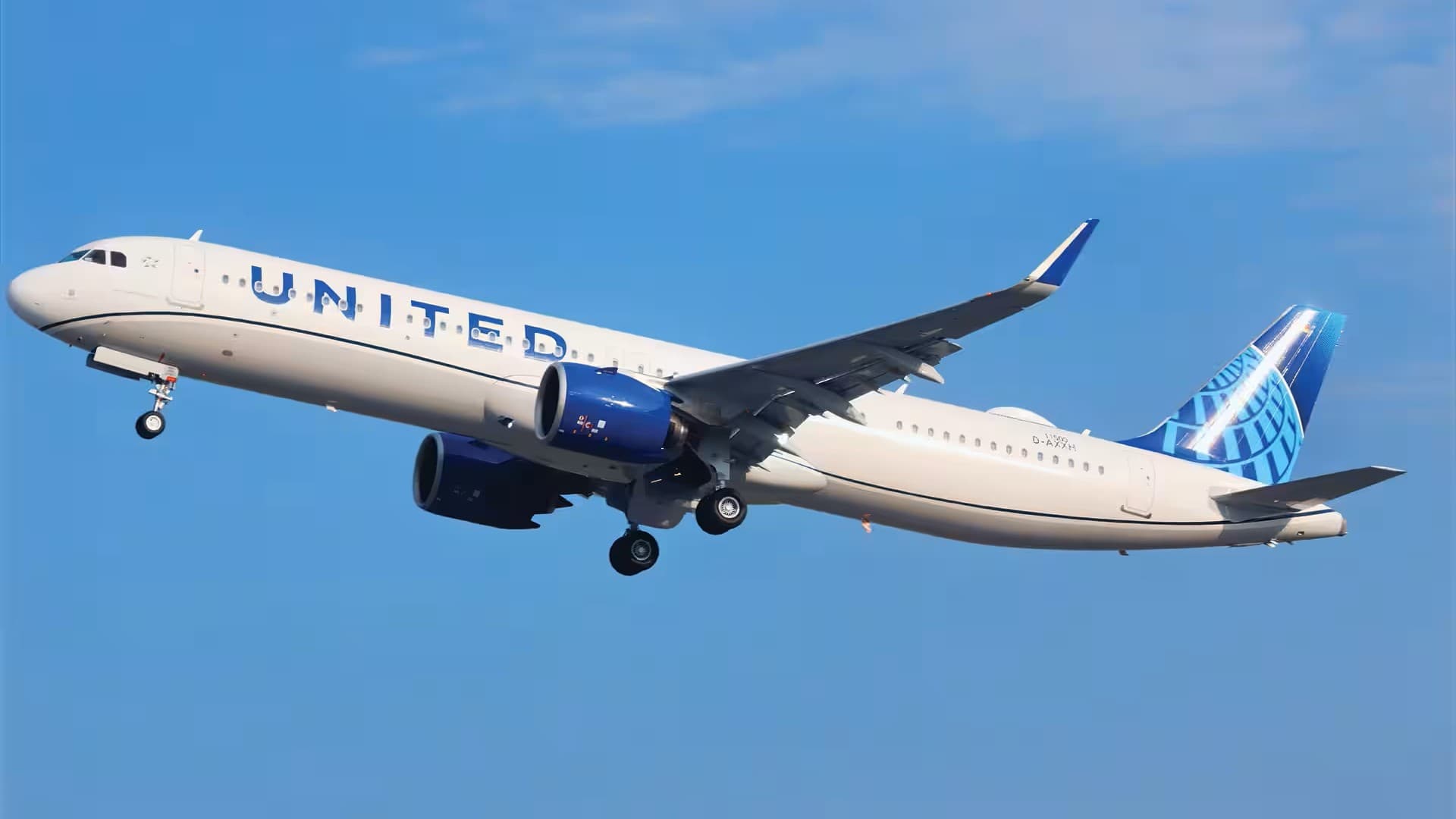
United Airlines is reportedly exploring a novel cabin configuration for its upcoming A321neo 'Coastliner' aircraft that could reshape the economics of domestic premium travel. According to industry forums and internal sources, the carrier is working on an economy product where the middle seat is permanently blocked, using a fixed tray table to prevent its use. This design would reduce the total number of seats from the standard 161 to 150, a threshold that has significant regulatory implications.
Under FAA rules, aircraft with up to 150 seats require only three flight attendants, while those with 151 to 200 seats need four. By blocking the middle seat, United could legally operate its A321neo 'Coastliner' with a smaller cabin crew, saving on labor costs without sacrificing passenger capacity entirely. The 'Coastliner' configuration already features 20 Polaris Business flat-bed seats, 12 Premium Plus seats, and 129 economy seats, but the blocked middle seat would reduce the economy count to 129, bringing the total to 161 seats—still above the 150-seat threshold. However, the blocked seat would not be sold, effectively making the aircraft a 150-seat configuration for crew requirements.
This strategy mirrors the 'Euro Business' concept used in Europe, where the middle seat is left empty to provide more space in short-haul business class. For United, it offers a dual benefit: improved passenger comfort with an empty adjacent seat, and lower crew costs. The airline is set to receive its first A321neo 'Coastliner' this year, part of a massive fleet renewal that includes over 250 new aircraft over two years, including A321XLRs and Boeing 787-9s with premium interiors.
For ATPL and ATC students, this development highlights how regulatory thresholds directly influence aircraft design and operational planning. Understanding FAA crew requirements (2 flight attendants for up to 100 seats, plus one per additional 50 seats) is crucial for flight planning and safety management. The case also illustrates the tension between passenger comfort, cost optimization, and labor relations, as unions may push back against configurations that reduce crew numbers. This real-world example underscores the importance of regulatory knowledge in commercial aviation decision-making.