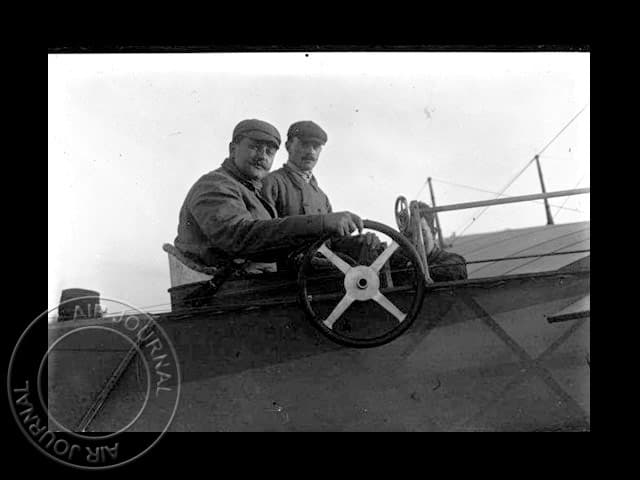
April 9, 1909, marks a significant date in the history of aviation. On this day, French pilot René Demanest accomplished a notable achievement by winning the third prize for beginner aviation at the Châlons aviation camp. To achieve this goal, Demanest took control of a monoplane and covered a distance of 250 meters. This performance was officially monitored and validated by the renowned Franco-British pilot Henri Farman, as well as other notable witnesses such as Captain Burgeat and aeronautical engineer Pierre Levasseur. The importance of this event lies in the fact that it demonstrates the progress made in the field of aviation at that time. The increasingly long flights and technical improvements to aircraft enabled aviation pioneers like Demanest to push the boundaries of what was considered possible. For aviation students, this story is particularly relevant as it highlights the challenges and achievements of the first aviators. The lessons learned from their experiences can help future pilots understand the importance of perseverance, innovation, and safety in the field of aviation. Furthermore, the story of René Demanest and his contemporaries emphasizes the importance of validating and controlling aerial performances. This shows that, even in its early days, aviation has always stressed safety and reliability, principles that are still essential today in the training of pilots and air traffic controllers. In conclusion, René Demanest's feat in 1909 is an inspiring example of the determination and ingenuity of aviation pioneers. Their legacy continues to influence the world of aviation today, and their story offers valuable lessons for aviation students who are preparing for their careers in this exciting and demanding field.