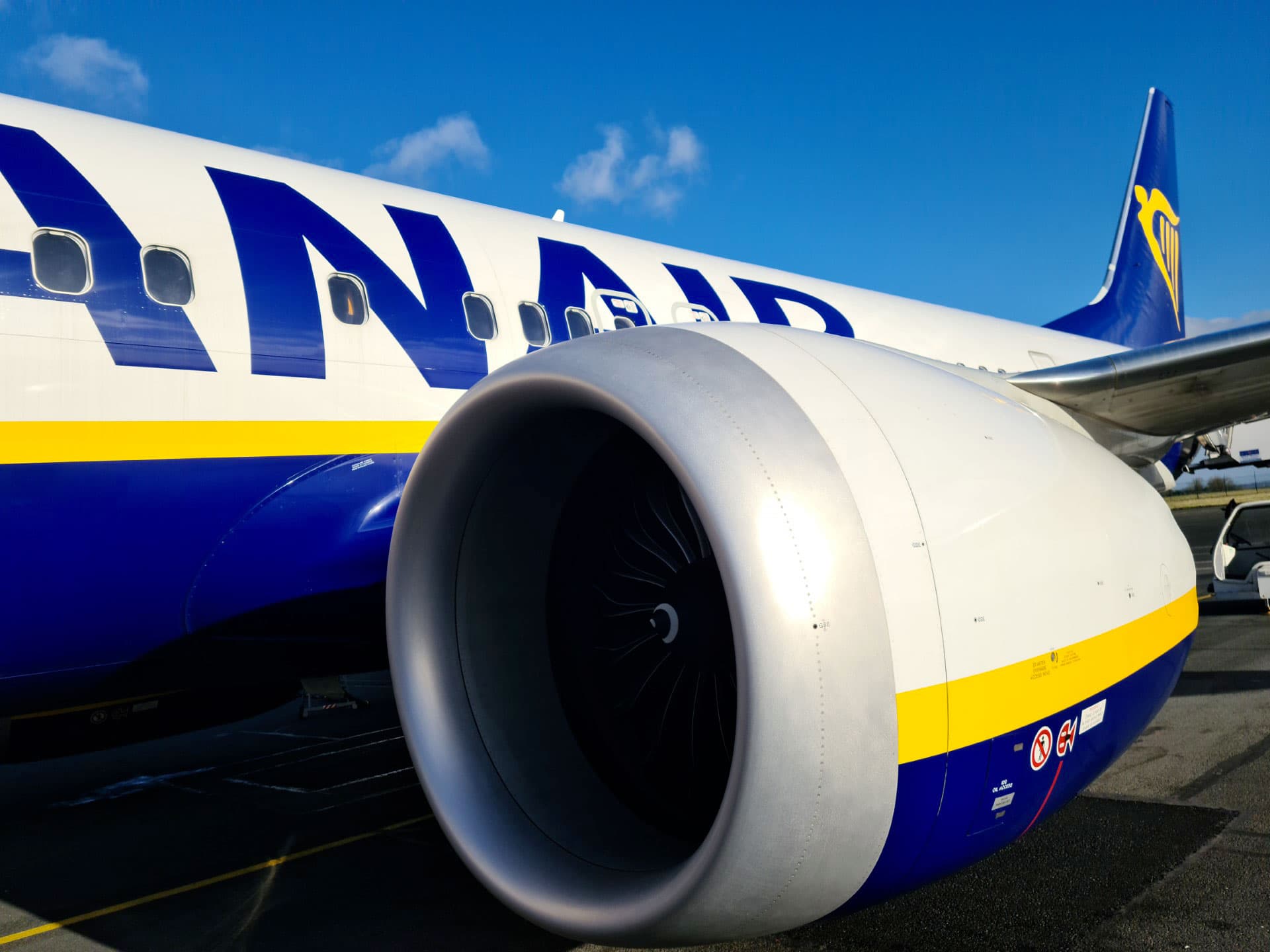
The UK Competition and Markets Authority (CMA) has launched an investigation into Ryanair's family seating policy, focusing on fees charged to parents who want to sit next to their children aged 2 to 11. The regulator argues that requiring parents to pay for a 'family seat' to comply with safety rules—which mandate proximity between adults and children—may constitute an unfair contractual term under UK consumer law. For ATPL and ATC students, this case is a practical example of how aviation regulation intersects with consumer protection, a topic often covered in air law modules.
Ryanair has firmly denied the allegations, stating that it fully complies with all applicable laws and regulations. The airline claims it does not charge any fees for up to four children's seats on the same booking, as long as one adult pays for their own reserved seat. This defense highlights the complexity of ancillary revenue models in low-cost carriers, a key business concept for future aviation professionals. Understanding how airlines generate revenue beyond ticket sales—through seat selection, baggage fees, and other services—is essential for grasping the economics of modern aviation.
The CMA notes that Ryanair is the only major airline operating from the UK that applies such fees to families, and it has not yet reached any conclusions on whether an infringement has occurred. The regulator promises an update within six months. This case also has implications for air traffic controllers, as seating policies can affect passenger behavior and boarding procedures, potentially impacting turnaround times and ground operations.
For ATPL students, this investigation underscores the importance of regulatory awareness: airlines must balance safety requirements with consumer rights, and future pilots must be prepared to operate within this framework. ATC students should note that regulatory changes can influence airline operations, from scheduling to passenger handling. The outcome of this probe could set a precedent for how low-cost carriers manage family seating across Europe, making it a case worth following in aviation law and management studies.