The recent spike in kerosene prices, driven by geopolitical tensions such as the conflict with Iran, has placed immense pressure on the U.S. aviation industry, particularly low-cost carriers. Since late February, fuel costs have nearly doubled, reaching over $4 per gallon in some regions—the highest levels since 2022. This volatility exposes a critical weakness: many U.S. airlines, especially low-cost operators, have largely abandoned fuel hedging strategies, leaving them without financial buffers against price swings. While major network carriers like Delta, United, and American can absorb some of the shock through their scale and business clientele, low-cost models are disproportionately affected due to their thin margins and high sensitivity to ticket prices. Industry estimates suggest that a mere one-cent increase per gallon can add tens of millions of dollars in annual costs for larger airlines, with an even heavier relative burden for budget carriers operating on tight cost structures.
In response, the Association of Value Airlines (AVA), representing carriers such as Spirit Airlines, Frontier Airlines, Allegiant Air, Sun Country, and Avelo, has petitioned Congress for temporary relief. Specifically, the AVA is calling for a suspension of the federal excise tax of 7.5% on airline tickets and the $5.30 per-segment domestic fee, which are part of the U.S. aviation funding framework. According to the association, this measure could offset about one-third of the additional fuel costs, providing targeted respite for price-sensitive travelers and the airlines that serve them. The AVA argues that tax suspension is the quickest and most effective tool to mitigate the fuel shock on low-cost carriers, as noted in recent reports from Reuters.
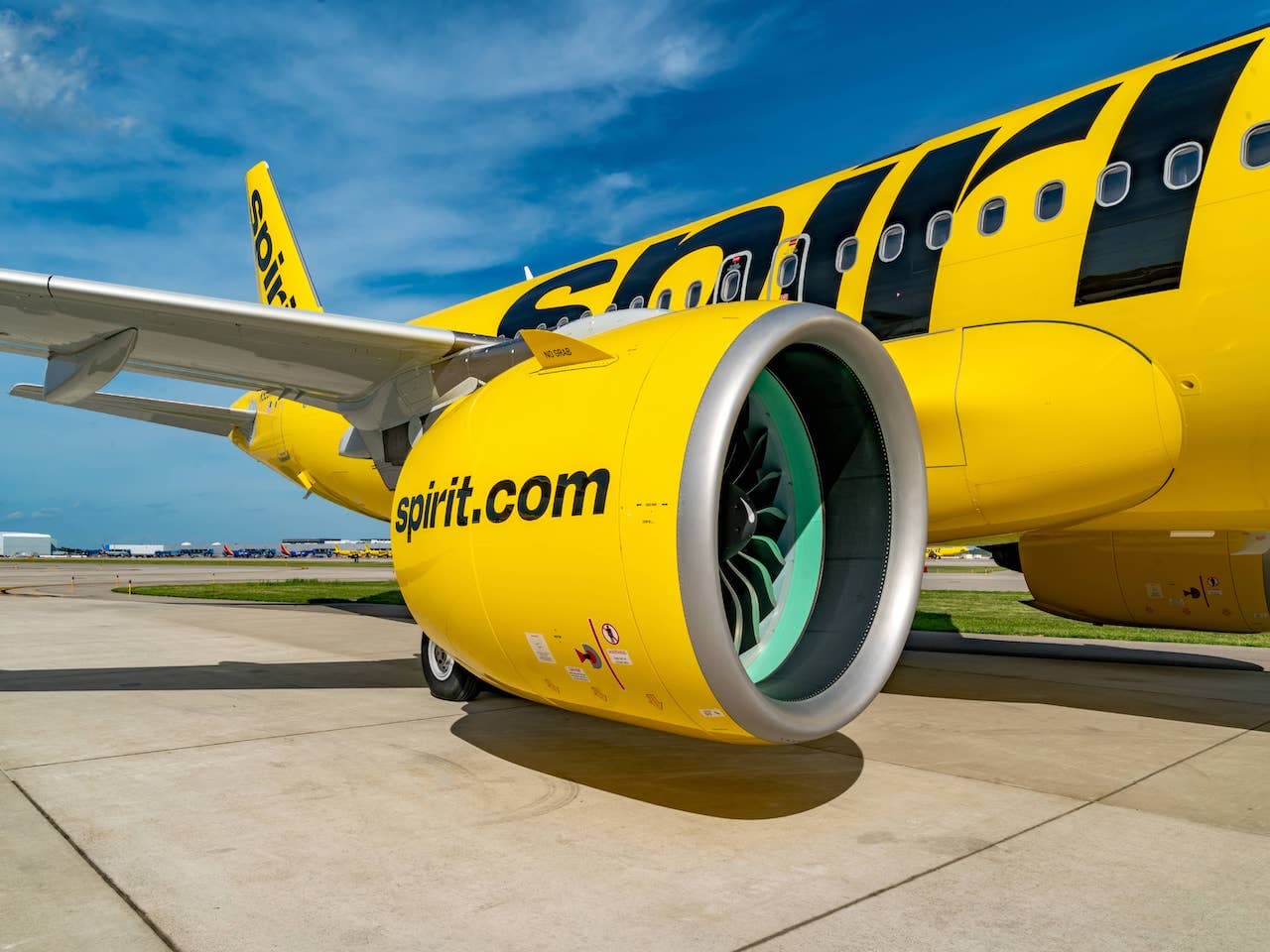
Among the affected airlines, Spirit Airlines stands out as particularly vulnerable. The carrier, already undergoing a complex restructuring plan, had based its 2026 projections on a fuel price of around $2.24 per gallon—roughly half of the current $4.12 to $4.24 per gallon observed in markets. Analysts from J.P. Morgan estimate that this discrepancy could inflate Spirit's fuel bill by approximately $360 million in 2026, a shock that some experts deem difficult to absorb given the company's current financial state. Reports from specialized media indicate that Spirit has warned authorities that rising costs could jeopardize its restructuring success and long-term viability, with Bloomberg even suggesting that the ultra-low-cost carrier might cease operations sooner than anticipated.
However, the low-cost airlines' request faces a significant hurdle: the taxes they seek to suspend directly fund the Airport and Airway Trust Fund (AATF), which finances the bulk of the Federal Aviation Administration's (FAA) budget and numerous airport infrastructure projects. In 2024–2025, this fund covered about 90–95% of certain FAA budgetary items, relying on a series of taxes from passenger tickets, domestic segments, international flights, air cargo, and fuels. Any suspension could strain critical aviation funding, creating a tension between immediate relief for airlines and long-term system stability. This situation underscores the delicate balance in aviation economics, where fuel price volatility can trigger cascading effects on airline operations, regulatory frameworks, and passenger costs.
For ATPL and ATC students, this news highlights the real-world implications of fuel management and economic strategies in aviation. Understanding how fuel hedging, taxation, and airline business models interact is crucial for future pilots and controllers, as these factors directly influence flight operations, scheduling, and industry regulations. Students should note that such economic pressures can lead to changes in airline fleets, route networks, and even safety investments, making it essential to stay informed about industry trends beyond technical training.