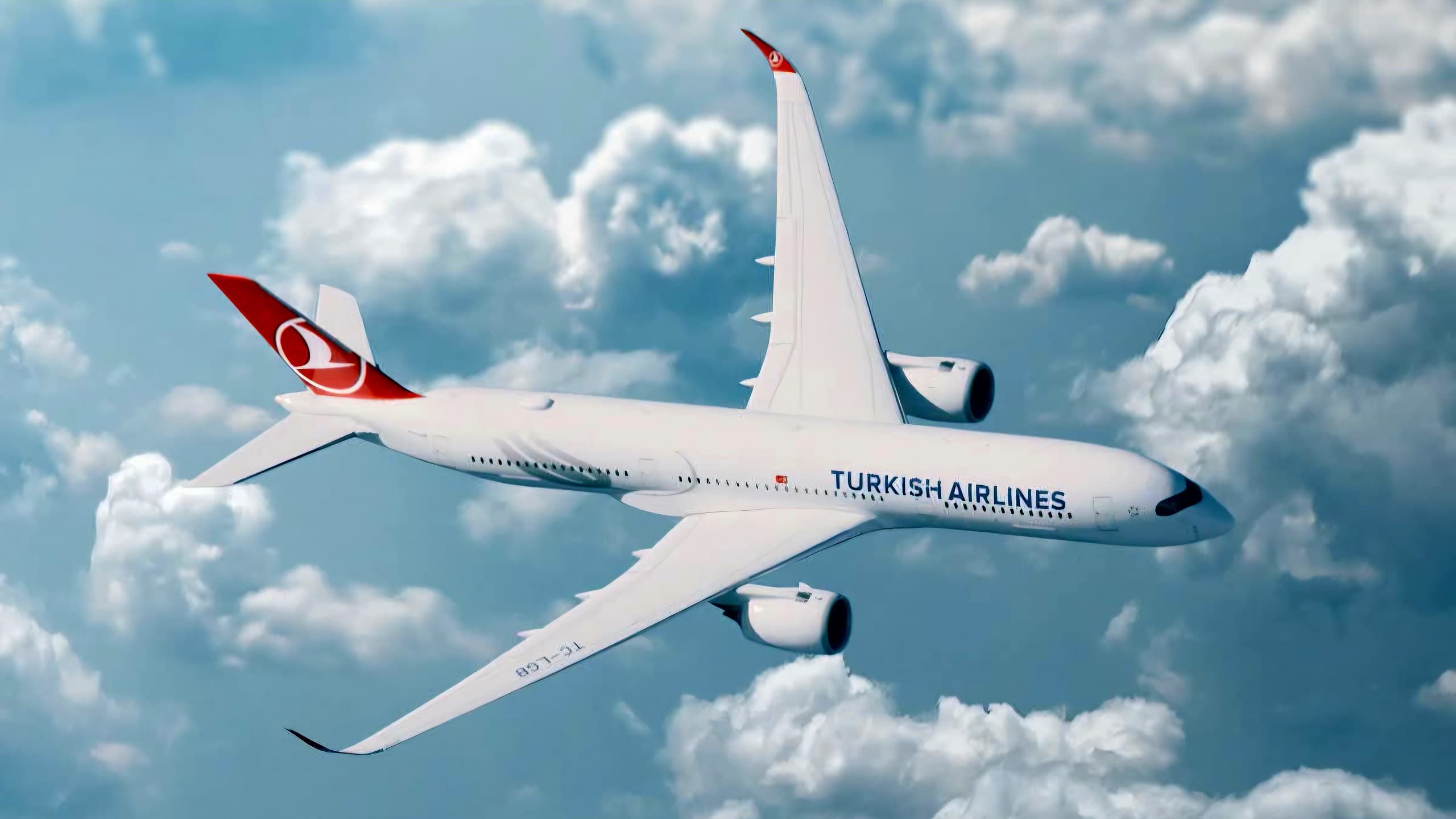
Turkish Airlines is preparing to reintroduce a Premium Economy cabin on its long-haul flights starting in 2028, marking a significant strategic shift after abandoning its earlier "Comfort Class" in 2016. This decision comes as the airline aims to expand its network to 350 destinations and modernize its fleet with new Airbus A350-1000 and Boeing 787 Dreamliner aircraft. For ATPL and ATC students, this development offers a real-world case study in how airlines balance passenger demand, fleet economics, and cabin configuration to maximize revenue.
**Market Context and Post-Pandemic Trends**
The move aligns with a broader industry trend where premium cabins have become more profitable than standard economy since the COVID-19 pandemic. Airlines like Air France-KLM, Lufthansa, and Emirates have already strengthened their intermediate offerings. Turkish Airlines' earlier attempt with "Comfort Class" between 2010 and 2016 was well-received but suffered from inconsistent deployment across aircraft, leading to commercial confusion. This time, the airline plans a uniform rollout across its long-haul fleet, a lesson in product consistency that future aviation professionals should note.
**Fleet and Operational Implications**
The Premium Economy cabin will replace approximately 8% to 9% of current economy seats on long-haul aircraft. This reconfiguration affects weight and balance calculations, passenger loading procedures, and emergency evacuation planning—topics directly relevant to ATPL performance and ATC operations. The new cabin will likely debut on Airbus A350-1000s arriving from 2027, alongside the new "Crystal Business Class" suites. For ATC students, the growth of Istanbul Airport (IST) as a hub means increased traffic complexity and the need for efficient slot coordination.
**Strategic Takeaways for Trainees**
This news underscores the importance of understanding airline business models and fleet planning. ATPL candidates should consider how cabin configurations impact aircraft performance, fuel efficiency, and payload-range capabilities. ATC trainees can analyze how premium cabin growth influences passenger flow and ground handling at major hubs. Turkish Airlines' strategy also highlights the role of geopolitical factors and fuel price volatility in shaping airline decisions—a reminder that aviation is as much about economics as it is about aerodynamics.