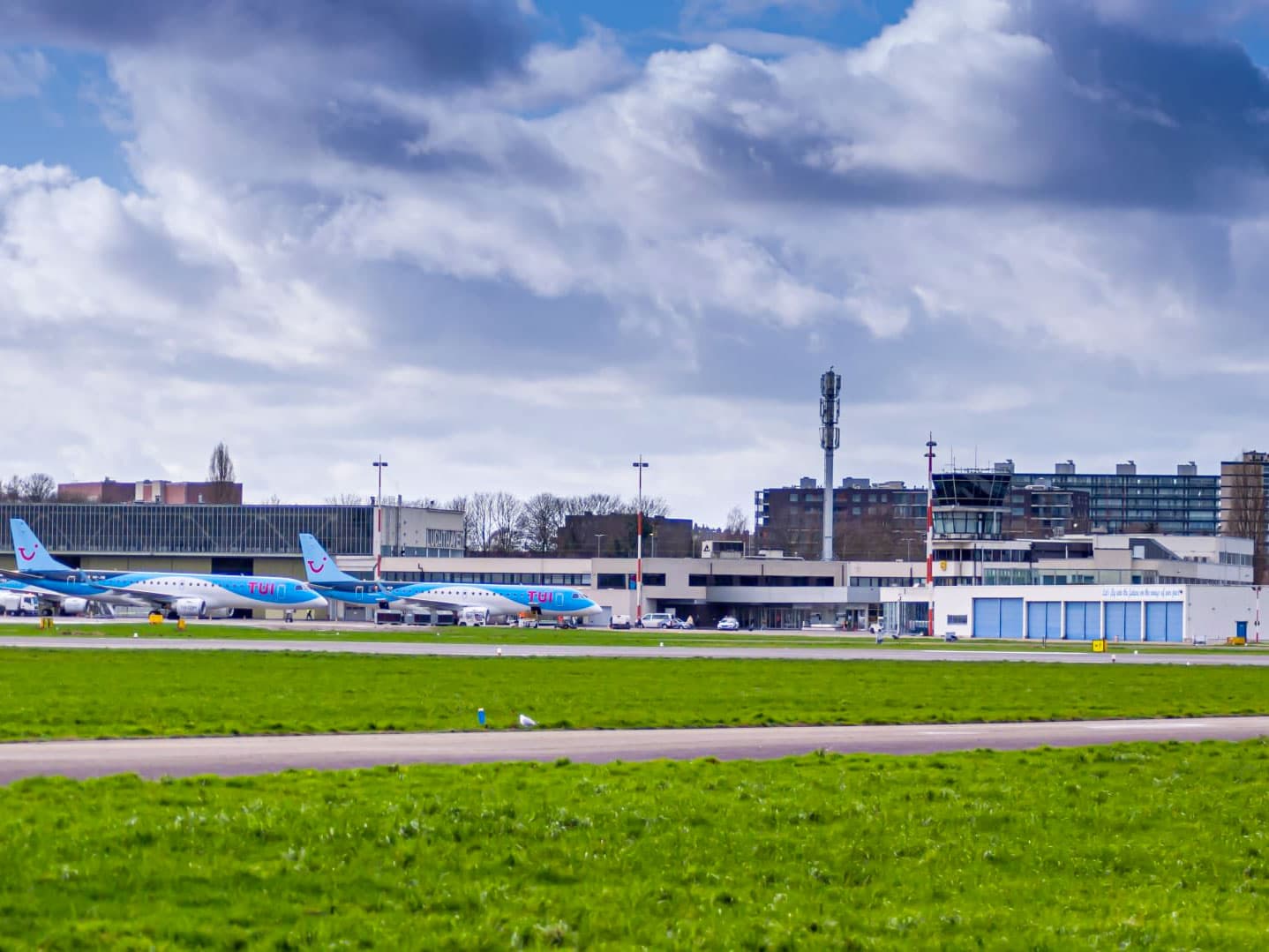
**TUI fly Belgium to leave Antwerp Airport by March 2027**
TUI fly Belgium has announced it will cease all commercial operations at Antwerp-Deurne Airport at the end of the 2026/2027 winter season, with the last flight scheduled for March 25, 2027, to Malaga. The decision is part of a broader strategy to concentrate flights at Brussels-National and Ostend-Bruges airports, where the entire fleet can be deployed more flexibly.
**Strategic rationale**
The airline states that operating from airports where all aircraft types can be used improves operational efficiency and service quality. Currently, only one Embraer E195-E2 (136 seats) is based at Antwerp, down from three at the peak. TUI fly Belgium insists that the withdrawal is purely strategic and not influenced by the Flemish government's plans to reduce subsidies for regional airports. No job losses are expected, as staff will be redeployed to other Belgian bases.
**Impact on Antwerp Airport**
Antwerp Airport, where TUI fly has been present since 2015, could lose up to 90% of its passengers and nearly half of its own revenue, according to local authorities. CEO Nathan De Valck expressed regret but emphasized the priority is to ensure smooth operations until the end of the winter season. This raises broader questions about the economic model of small regional airports.
**Broader industry context**
This move follows TUI fly Belgium's earlier withdrawal from Charleroi in winter 2023/2024, reflecting a trend of network rationalization among leisure carriers. For aviation students, this case illustrates how airlines balance operational efficiency with market demand, and how regional airports must adapt to survive. Understanding these dynamics is crucial for ATPL candidates analyzing airline business models and for ATC trainees considering traffic distribution across multiple airports.
**MyATPS angle**
For ATPL and ATC students, this real-world example highlights the importance of fleet planning, base allocation, and the impact of regulatory changes on airport viability. It also underscores the need for flexible operational strategies in a competitive market.