**A New Standard in Passenger Connectivity**
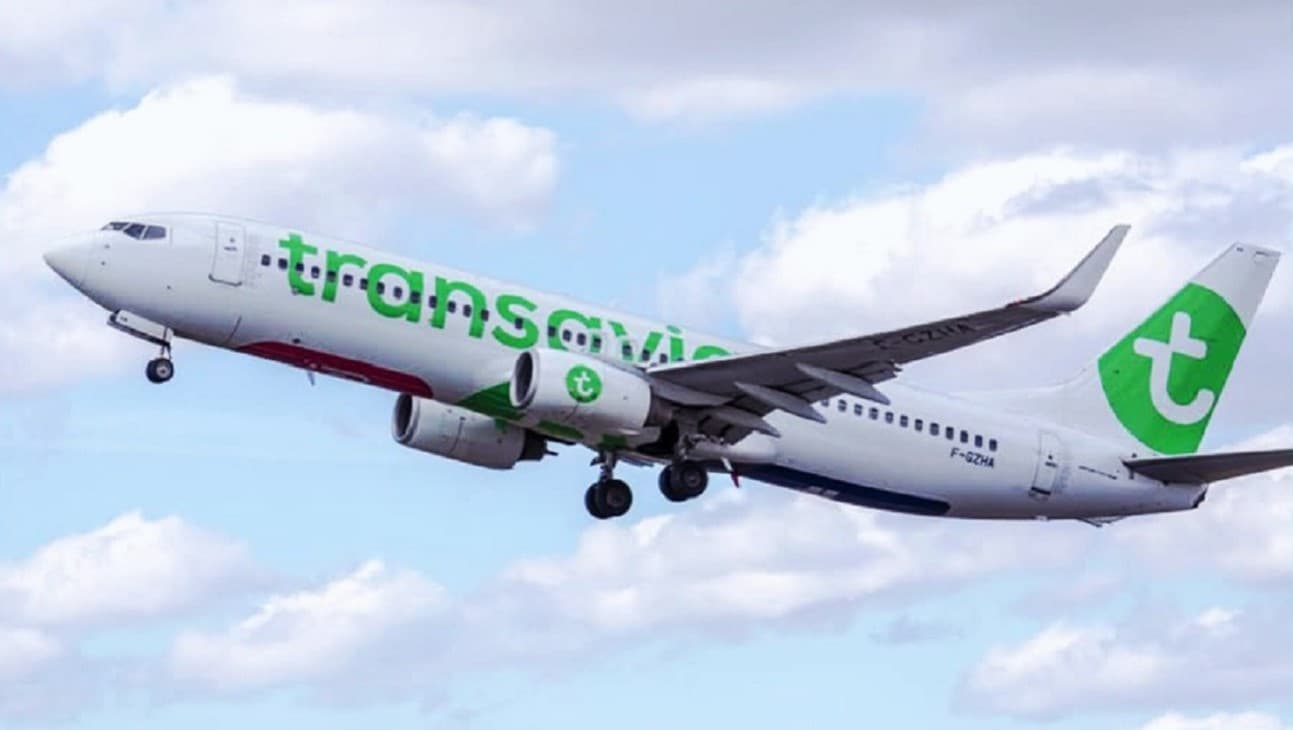
Transavia France has announced a partnership with French startup Kolet to provide passengers with two days of free mobile internet abroad via eSIM technology. The offer, limited to 1 GB of data, can be activated in minutes on a compatible smartphone. This service is integrated into Transavia's digital customer journey—available on the website, in confirmation emails, pre-departure communications, and the mobile app. Passengers can also pay for additional data using Flying Blue Miles. This move reflects a broader trend in the airline industry where connectivity is becoming an essential part of the travel experience, both on the ground and in the air.
**Why This Matters for ATPL and ATC Students**
For future pilots and air traffic controllers, understanding the operational and customer service implications of such partnerships is crucial. Connectivity services are no longer just a passenger perk; they influence flight planning, crew communication, and even emergency procedures. For instance, pilots may rely on mobile data for real-time weather updates, NOTAMs, or airport information upon arrival. ATC professionals, meanwhile, must consider how increased passenger connectivity affects airport operations, such as the use of mobile boarding passes or real-time flight status updates. This partnership highlights the growing importance of digital integration in aviation—a topic that ATPL and ATC students will encounter throughout their careers.
**Industry Context and Analysis**
The partnership between Transavia and Kolet is part of a larger shift where airlines are leveraging technology to reduce passenger anxiety and enhance the travel experience. According to an Amadeus study, a majority of travelers experience some form of travel anxiety, and digital solutions that simplify the journey are highly valued. For low-cost carriers like Transavia, offering free data can be a competitive differentiator, especially on leisure routes where passengers often need immediate connectivity upon arrival. Kolet, founded in 2024, has already secured partnerships with Air France, KLM, Flying Blue, and other travel companies, positioning itself as a key player in the eSIM market. This trend toward seamless connectivity is likely to continue, and aviation professionals must be prepared to adapt.
**Practical Takeaways for Training**
ATPL and ATC students should note that connectivity services are becoming a standard part of airline operations. Understanding how eSIM technology works, its limitations (e.g., data caps), and its integration into customer relationship management systems can be valuable knowledge. Additionally, the use of loyalty points like Flying Blue Miles for ancillary services demonstrates how airlines are diversifying revenue streams—a concept often covered in aviation management modules. As future professionals, staying informed about such innovations will help you better serve passengers and collaborate with airline partners.
**Conclusion**
Transavia's partnership with Kolet is a clear example of how airlines are adapting to the digital age. For ATPL and ATC students, this news underscores the importance of connectivity in modern aviation. Whether you're in the cockpit or the control tower, understanding these trends will enhance your ability to operate effectively in an increasingly connected environment.