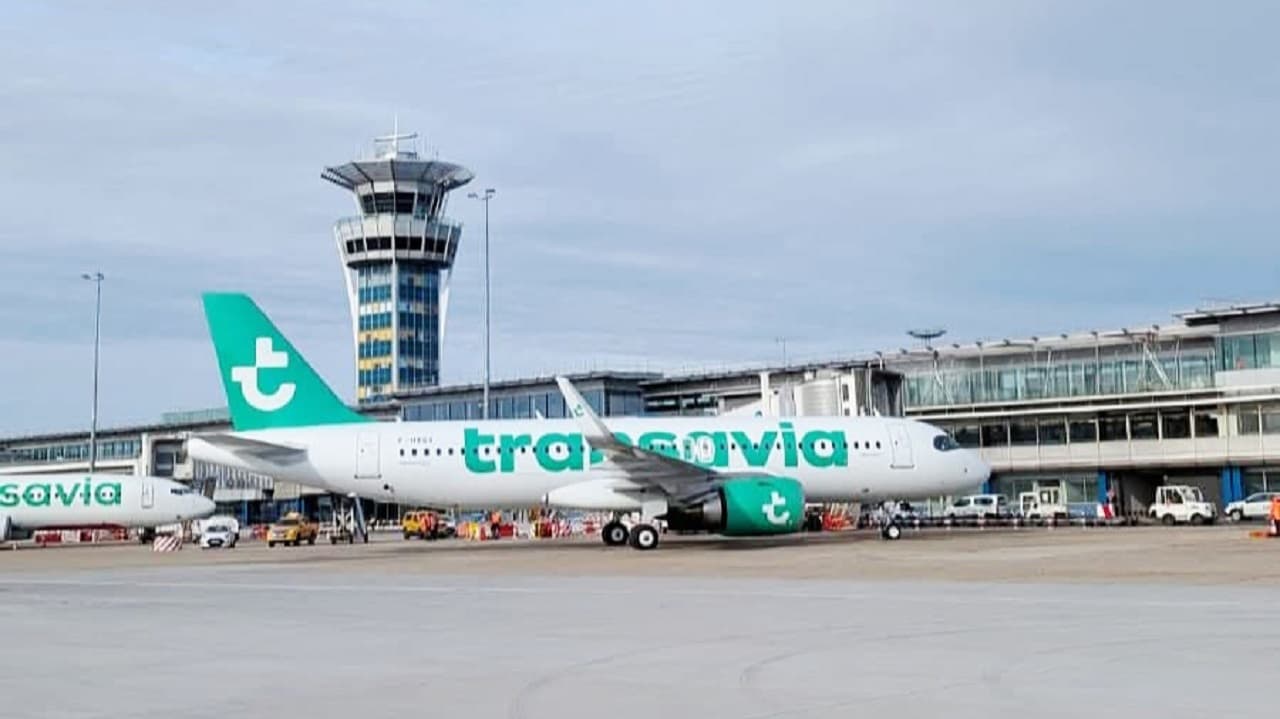
Transavia, the low-cost subsidiary of Air France-KLM, has announced a new route connecting Brussels Airport (BRU) to Porto (OPO), starting December 14, 2026. The service will operate three times per week, on Mondays, Wednesdays, and Saturdays, targeting leisure travelers from Belgium and the southern Netherlands. This move underscores Transavia's growing commitment to Brussels, where it established a base with locally based crews in 2026, part of a broader strategy to expand beyond the capacity-constrained Dutch airports like Amsterdam Schiphol.
The new route adds to Transavia's already substantial network from Brussels, which has grown steadily since the carrier began operations there in 2022. According to CAPA, Transavia has progressively added destinations such as Alicante, Faro, Ibiza, Heraklion, Tenerife, and Salzburg, with further routes like Bari, Marrakech, and Thessaloniki launched in 2024. The Brussels–Porto service will be the latest addition, providing a direct link to northern Portugal, a region known for its UNESCO-listed historic center, port wine cellars, and the Douro Valley's wine tourism.
For Brussels Airport, this new route enhances its already extensive offering of 180 direct destinations for summer 2026, served by 70 airlines. The airport is positioning itself as a viable alternative to Amsterdam, which faces operational and environmental constraints. Transavia's CEO, Marcel de Nooijer, has highlighted Brussels as a growth opportunity beyond Dutch capacity limits, with some flights operated by Belgian crews.
The expansion of Transavia in Belgium intensifies competition on the leisure market, directly challenging established players like Brussels Airlines and the Lufthansa Group, as well as other low-cost carriers such as Ryanair and Vueling. For aviation students, this development illustrates the dynamics of route planning, airline strategy, and the impact of airport capacity on network decisions. Understanding these factors is crucial for future pilots and air traffic controllers who will operate in an increasingly competitive and environmentally constrained environment.