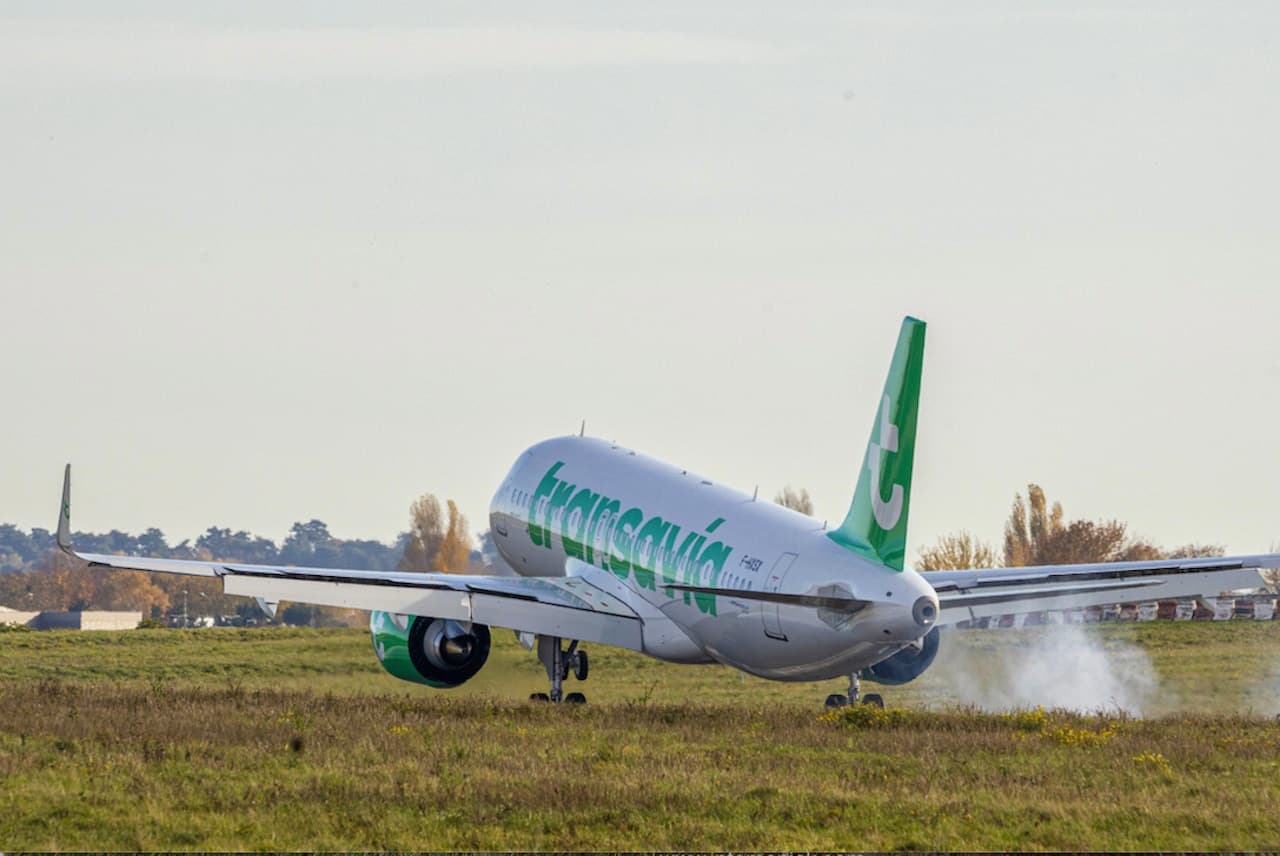
Transavia, the low-cost subsidiary of Air France-KLM, has announced a significant increase in frequencies on two Moroccan routes from Paris-Orly. Starting in summer 2026, the airline will operate three weekly flights to both Ouarzazate and Dakhla, up from two previously. The move is part of a broader partnership with the Moroccan National Tourist Office (ONMT) aimed at boosting tourism to regions that have historically suffered from limited air access. For ATPL and ATC students, this news is more than just a route update — it illustrates real-world dynamics in airline network planning, seasonal capacity management, and the interplay between tourism policy and aviation operations.
From an operational perspective, the increase to three weekly frequencies on these routes represents a shift from a thin, low-frequency service to a more robust schedule that can support both leisure and business travel. For ATC trainees, this means understanding how such changes affect slot coordination at Paris-Orly, a congested airport where slot allocation is governed by EU regulations. The decision to maintain these frequencies through the winter season — currently under discussion — also highlights the challenge of seasonality in aviation. Airlines often reduce frequencies in winter due to lower demand, but here the ONMT is pushing for year-round connectivity to stabilise local tourism economies. ATPL students can analyse this as a case study in route profitability: low-cost carriers like Transavia typically require high load factors to break even on thin routes, and the additional frequency may help capture more connecting traffic via Paris.
Another layer is the strategic positioning of Ouarzazate and Dakhla as destinations. Ouarzazate, known as the gateway to the Sahara, is being repositioned from a stopover on desert tours to a standalone destination. Dakhla, on the Atlantic coast, is a niche spot for kitesurfing and eco-tourism. For ATPL students, this illustrates how airlines and tourism boards collaborate to stimulate demand — a concept often covered in aviation management modules. The article also mentions that easyJet is building a base in Marrakech with up to 4 million seats per year, showing how multiple low-cost carriers are shaping the Moroccan air transport market. ATC students should note that such growth will increase traffic complexity in Moroccan airspace, especially around Marrakech and Casablanca, requiring careful coordination between approach control and en-route sectors.
Finally, the broader context is Morocco's ambitious tourism target: doubling arrivals by 2030, with a heavy reliance on air capacity from Europe. This is a textbook example of how national tourism strategies drive airline network decisions. For aviation trainees, understanding these macro-level forces is essential for future roles in airline planning, airport management, or regulatory affairs. The Transavia case also touches on the concept of "airlift" — the total seat capacity offered on a route — which is a key metric in both airline economics and tourism development. In summary, this seemingly routine route expansion offers rich material for ATPL and ATC students to connect theory with practice, from slot coordination and seasonal planning to the economic symbiosis between aviation and tourism.