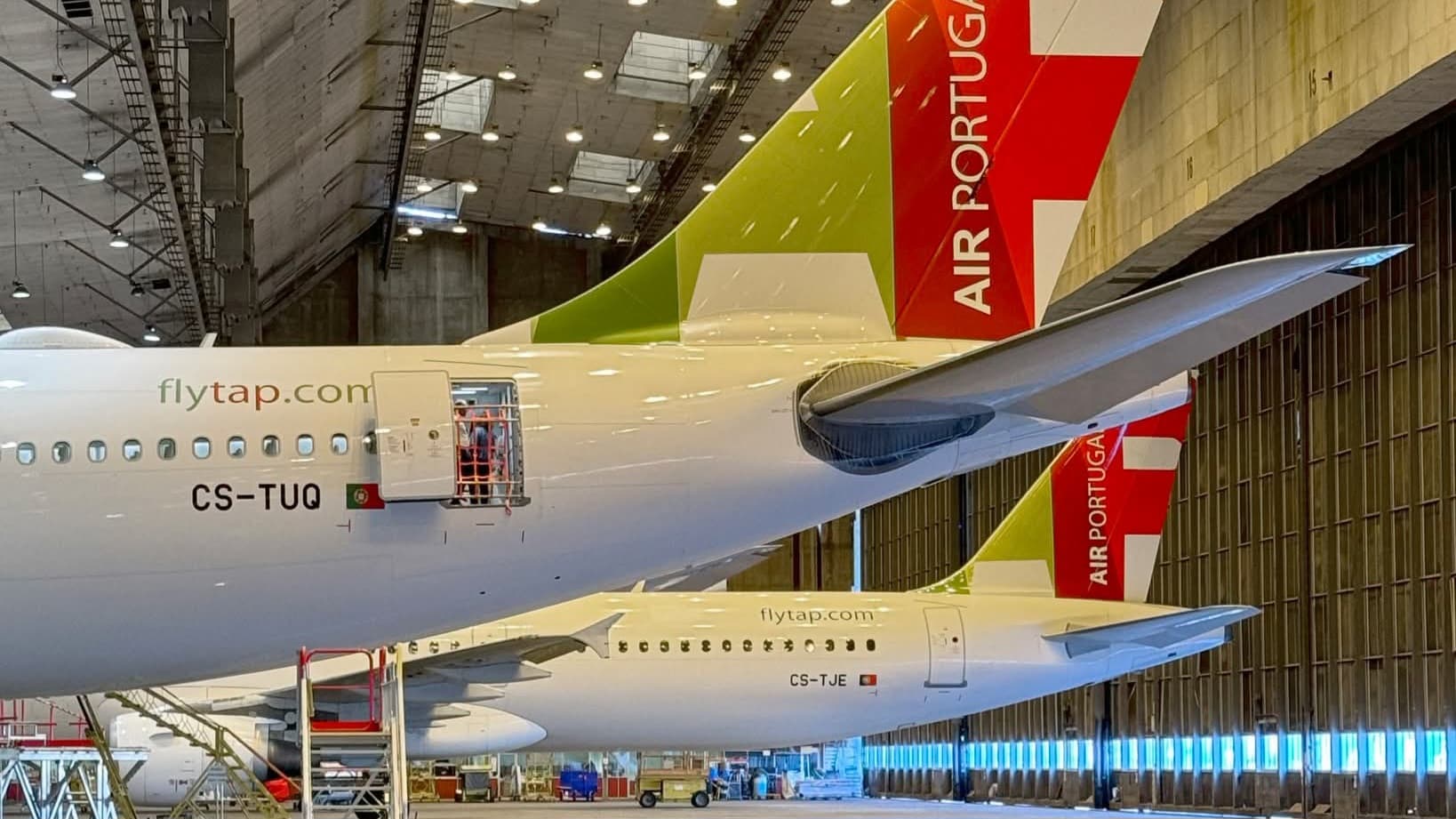
The Portuguese government has made it clear that the upcoming privatisation of a minority stake in TAP Air Portugal will not be a simple auction to the highest bidder. Instead, Lisbon is prioritising a strategic partnership that safeguards the airline's long-term viability, its Lisbon hub, and its critical routes to Portuguese diaspora communities in Europe and South America. This approach marks a deliberate shift from a purely financial transaction to a decision with deep implications for the country's aviation landscape.
Two major European airline groups, Air France-KLM and Lufthansa Group, have been invited to submit binding offers for up to 49.9% of TAP's capital, with 5% reserved for employees. The government, led by Minister of Infrastructure Miguel Pinto Luz, insists that the evaluation will focus on the bidder's ability to strengthen TAP's finances, protect jobs, and support fleet and operational investments. "This is a strategic decision that cannot be based solely on price," Pinto Luz stated before a parliamentary commission, emphasising the need for thorough deliberation and discretion.
The political context adds another layer of complexity. The centre-right government initially pushed for full privatisation but settled on a 49.9% sale to accommodate opposition from the Socialist party, which favours a more limited capital opening. Pinto Luz stressed the importance of broad consensus to prevent a future government from reversing the process. He promised a "scrupulously transparent" procedure under parliamentary oversight, aiming to move beyond the controversies that have long surrounded the airline.
For ATPL and ATC students, this development is far from abstract. The choice of a strategic partner will directly influence TAP's network planning, fleet composition, and operational priorities. A tie-up with Air France-KLM could strengthen connections to Paris and Amsterdam, while Lufthansa Group might integrate Lisbon into its global hub system, affecting flight patterns, crew bases, and even training requirements. Understanding these corporate dynamics helps future aviation professionals anticipate changes in route structures, aircraft types, and operational procedures that could impact their careers.
The final decision is expected by late August or early September, after a detailed review of the offers' alignment with Portugal's national aviation strategy. Regardless of the outcome, the privatisation underscores a broader trend in European aviation: the consolidation of national carriers into larger groups, reshaping competition and connectivity across the continent.