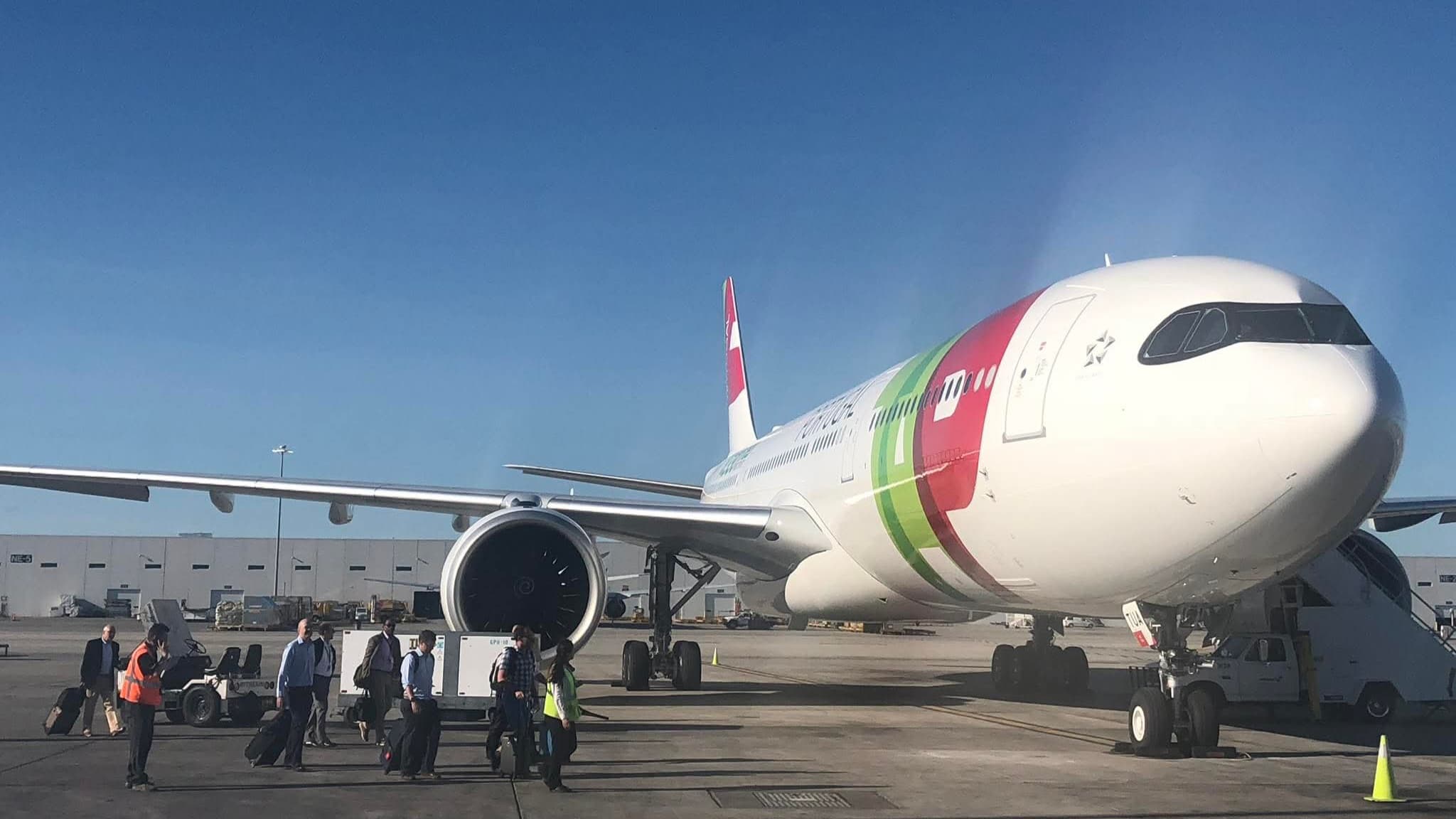
**TAP Air Portugal’s Limited-Time Flexibility Offer**
TAP Air Portugal has announced a temporary waiver of change fees on all tickets issued between May 15 and June 15, 2026. While passengers still pay any fare difference, the elimination of penalty fees is a strategic move to attract travelers seeking flexibility. This promotion applies across all markets served by the airline, allowing one free change per ticket as long as the new travel date falls within the original ticket’s validity period (typically one year).
**Conditions and Limitations**
Despite the fee waiver, conditions apply: changes must be made at least seven days before the original departure, and the new itinerary must fit within the ticket’s validity. If the original fare class is no longer available, passengers pay the fare difference. This mirrors policies at many European carriers, where flexibility is marketed but fare differentials remain a significant cost, especially during peak seasons.
**Industry Context for Aviation Students**
For ATPL and ATC students, this news is more than a consumer tip. It illustrates how airlines use pricing and flexibility as competitive levers, directly affecting revenue management strategies and operational planning. Understanding these dynamics is crucial for future pilots and controllers who will work in an environment where schedule changes, rebookings, and passenger handling are routine. The move also reflects broader trends in the European aviation market, where traditional carriers and low-cost airlines vie for customer loyalty through flexible fare options.
**Implications for Training and Operations**
As future aviation professionals, students should note that flexibility policies influence crew scheduling, load factors, and even air traffic flow management. For example, a surge in last-minute changes could impact slot coordination and airport capacity. TAP’s limited-time offer is a real-world case study in how airlines balance customer satisfaction with operational constraints—a lesson directly relevant to ATPL and ATC training modules on airline economics and passenger services.