**A strategic expansion into Southern Brazil**
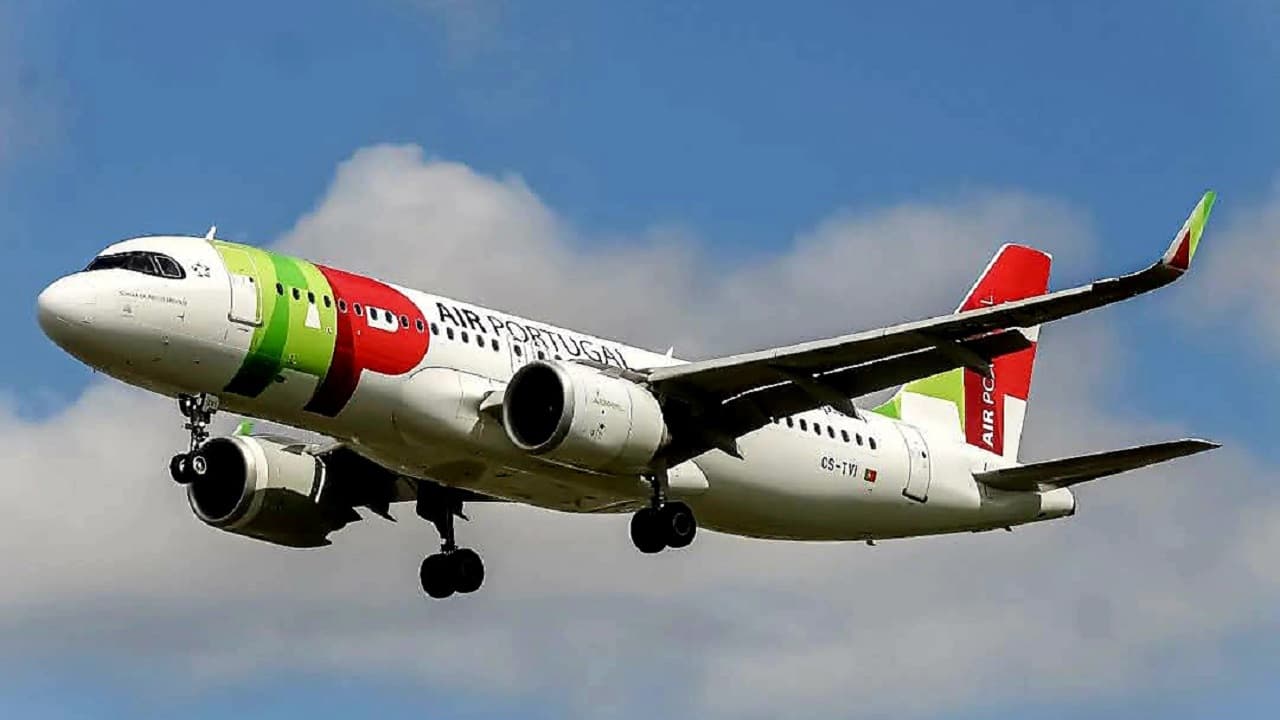
On July 2, 2026, TAP Air Portugal will launch a new route connecting Lisbon (LIS) to Curitiba (CWB), Brazil, operated three times per week on Tuesdays, Thursdays, and Saturdays. The service will be flown with an Airbus A330-200 configured for 269 passengers, following a circular rotation: Lisbon – Curitiba – Rio de Janeiro (GIG) – Lisbon. This makes Curitiba the 14th Brazilian city served by TAP, reinforcing its claim as the leading European carrier to Brazil by number of destinations and frequencies.
For ATPL students, this is a textbook example of hub-and-spoke network design. TAP funnels European traffic through its Lisbon hub, then distributes it across a fine mesh of Brazilian cities. The circular routing via Rio de Janeiro is particularly interesting: it allows the airline to serve two destinations with one aircraft rotation, optimizing aircraft utilisation and load factors. ATC students should note the operational implications of such a routing — coordinating slots at three different airports, managing turnaround times, and ensuring crew duty limits are respected.
**Curitiba: a green capital with untapped potential**
Curitiba, capital of Paraná state, is known for its urban planning, green spaces, and innovative bus rapid transit (BRT) system. While it remains a relatively low-profile destination for French travellers compared to Rio or Salvador, it offers access to the Paraná coast, the Serra do Mar mountains, and the Iguaçu Falls via domestic connections. By positioning Curitiba as a new gateway to southern Brazil, TAP is betting on both tourism and business traffic in a region that has been underserved by direct European flights.
From an aviation perspective, this route introduces a new point of entry into Brazilian airspace. ATC students should familiarise themselves with Curitiba's airport code (CWB), its runway characteristics, and the surrounding airspace structure. The addition of a direct link to Europe will likely increase traffic at CWB, which may require adjustments to approach procedures or slot coordination.
**Summer 2026: a broader network push**
Curitiba is not TAP's only summer 2026 addition. The airline is also launching Lisbon–Athens (five weekly flights), Porto–Terceira in the Azores (four weekly), and Porto–Praia in Cape Verde (three weekly). These routes reflect a strategy to leverage Porto as a second hub, connecting leisure markets in the Atlantic islands to the long-haul network. For ATPL students, this demonstrates how airlines balance seasonal demand with fleet utilisation — the A330-200 used on the Brazilian routes could be redeployed to European or African sectors during off-peak periods.
**60 years of Brazil–Portugal connectivity**
2026 marks 60 years of TAP operations to Brazil. The airline now serves 15 Brazilian cities, including São Paulo, Rio de Janeiro, Recife, Fortaleza, Brasília, and the newly added Curitiba. This longevity makes TAP a case study in sustained transatlantic operations, with lessons in route planning, regulatory compliance (EASA vs. ANAC), and cultural adaptation.
For MyATPS students, this article is a reminder that airline network decisions are driven by a mix of demand forecasting, aircraft performance, and geopolitical factors. Understanding how a carrier like TAP builds its route map is directly relevant to ATPL subjects such as flight planning, mass and balance, and operational procedures — and to ATC students studying airspace design and traffic flows across the South Atlantic.