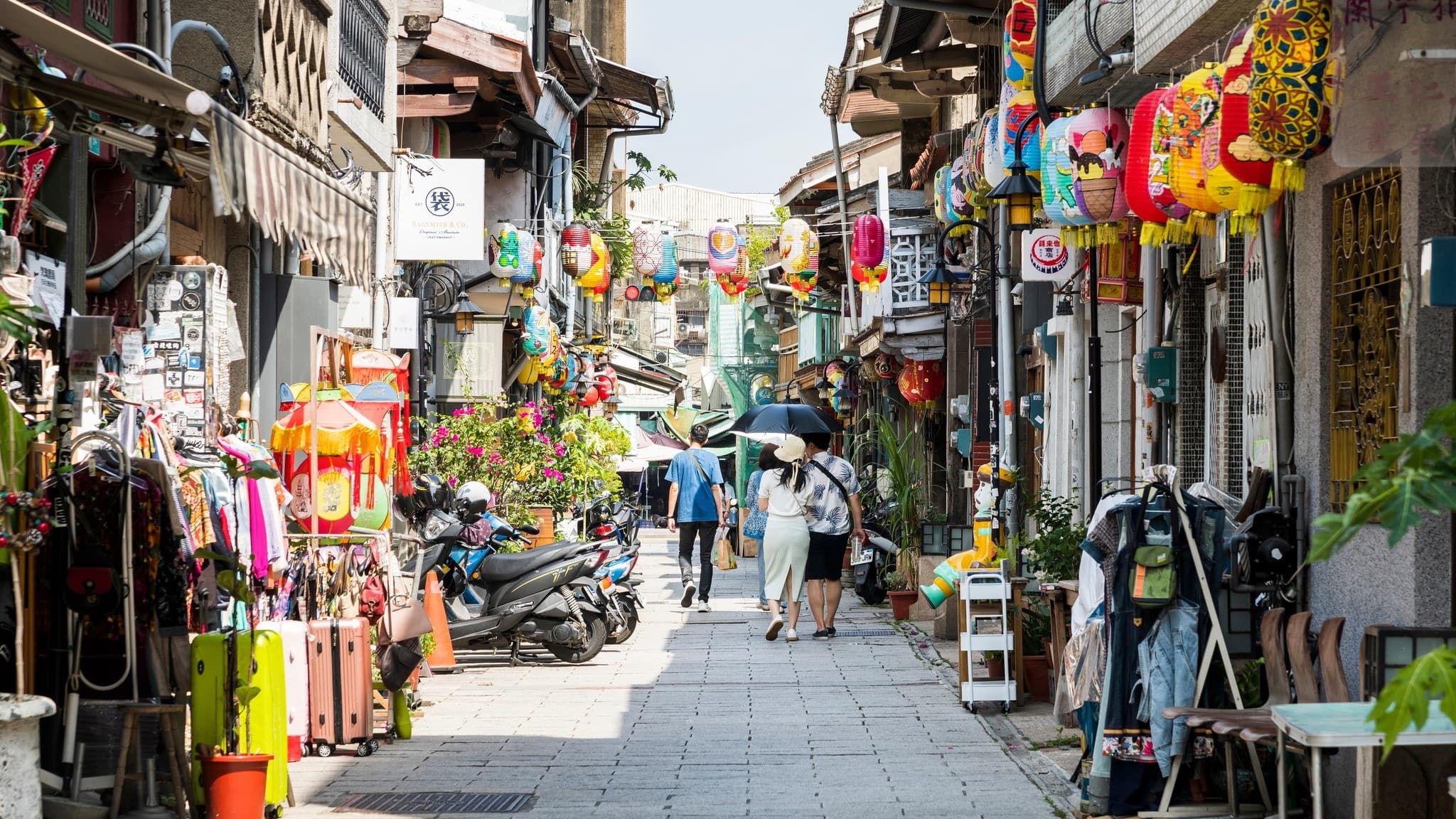
Taiwan is experiencing a strong tourism rebound, with 8.5 million foreign visitors in 2025—a 9.1% increase year-on-year and about 72% of pre-pandemic levels. The Taiwan Tourism Administration now targets 9.3 to 9.4 million international arrivals in 2026, signaling a steady recovery. This growth is heavily supported by aviation infrastructure, particularly at Taoyuan International Airport, the main gateway.
In 2024, Taoyuan Airport handled 44.92 million passengers, up from 35.35 million in 2023. In 2025, traffic reached 47.8 million passengers. To accommodate this surge, the airport is expanding: the northern pier of the future Terminal 3 will open in early 2026, ultimately boosting capacity to over 80 million passengers per year. This expansion reflects the broader growth of air travel in the Asia-Pacific region, a key market for future aviation professionals.
For ATPL and ATC students, this development is highly relevant. Understanding airport capacity planning, traffic flow management, and the operational challenges of hub airports is essential. Taoyuan's expansion provides a real-world case study of how airports scale up infrastructure to meet demand. Additionally, the increase in flights to Taiwan—by airlines like Air France, EVA Air, and Starlux Airlines—means more route networks to analyze, which is valuable for navigation and flight planning studies.
The article also highlights the role of tour operators and niche markets. While not directly aviation-related, it underscores the importance of tourism demand in shaping airline schedules and airport operations. For ATC trainees, the rise in passenger numbers translates to more complex airspace management, especially during peak seasons. For pilots, it means more opportunities for international flying and exposure to diverse air traffic environments.
In summary, Taiwan's tourism boom is a microcosm of global aviation recovery. ATPL and ATC students should pay attention to such trends, as they influence everything from fuel demand to crew scheduling. The expansion of Taoyuan Airport is a tangible example of how infrastructure investment supports growth—a lesson that applies to any major airport worldwide.