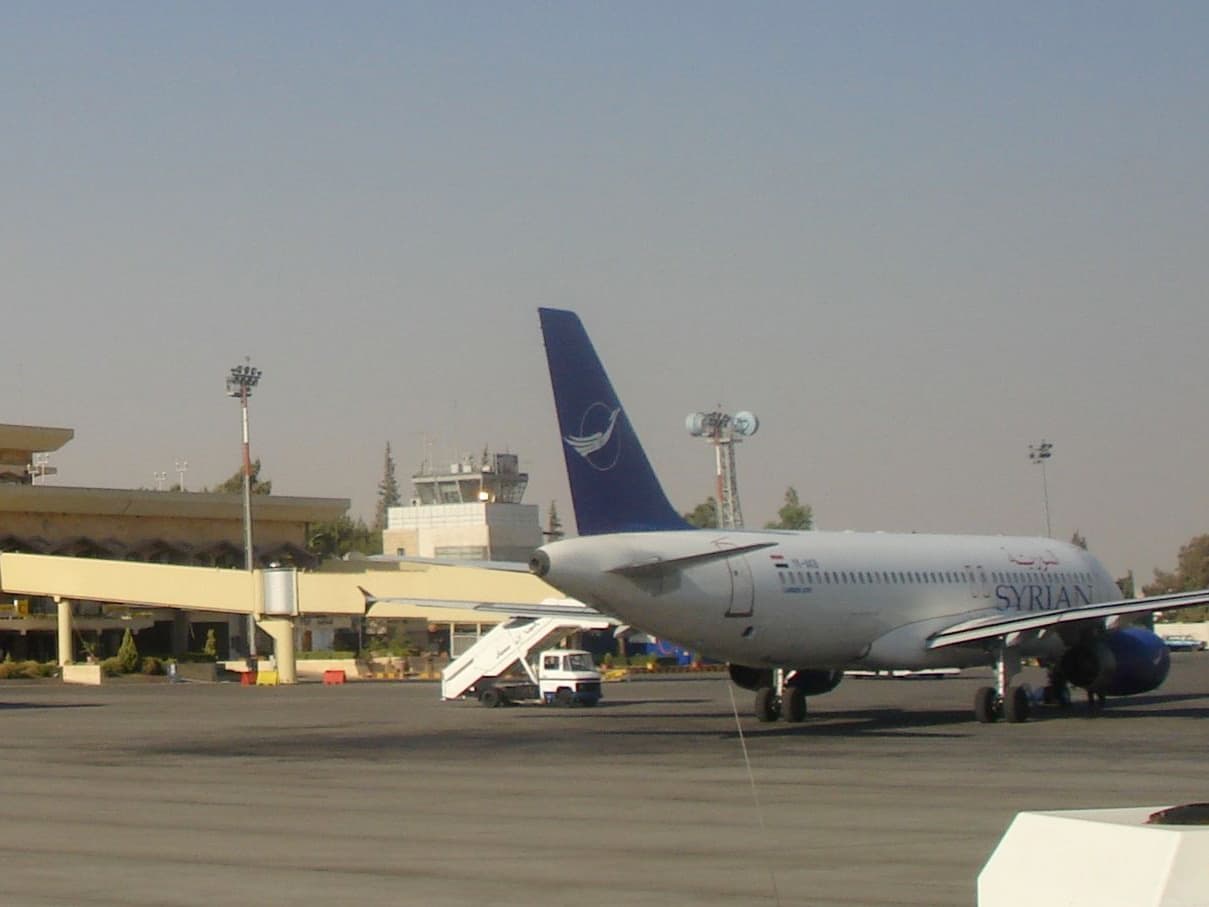
Syrian Airlines is preparing to resume direct flights between Damascus and Amsterdam in early July, the first regular service by the Syrian national carrier to the European Union since the gradual lifting of EU sanctions. The route, still subject to final technical and regulatory approval from Dutch authorities, represents a symbolic milestone in Syria's reconnection with international air networks.
According to the Syrian General Authority of Civil Aviation and Air Transport, the airline plans to operate non-stop flights between Damascus International Airport (DAM) and Amsterdam Schiphol (AMS) during the first week of July. Omar Hosari, head of the authority, stated that "the final technical, legal, and regulatory steps are being completed with the Dutch authorities" ahead of the launch. This comes after several years of suspension of direct flights between Syria and Western Europe, a consequence of both the civil war and sanctions imposed on the national carrier.
For now, details on flight frequency and schedules remain scarce, though industry sources suggest a target launch date around July 2, pending necessary approvals. Amsterdam Schiphol offers a vast network of connections, making it a strategic gateway for the Syrian diaspora and travelers connecting to other European or transatlantic destinations. Hosari has described Amsterdam as the "first destination" in a plan for a "gradual return to European destinations." Discussions are also underway with Germany to lift the flight ban between Syria and the Federal Republic, with a decision expected "in the first half of next month," according to SANA.
Syrian Airlines, also known as Syrianair, was banned from EU airports following the tightening of sanctions during the peak of the Syrian crisis. These measures were adjusted starting in 2025, with Brussels announcing the lifting of the flight ban on the national carrier, while linking this opening to close monitoring of the political transition in Syria. The airline operates with a significantly reduced fleet, including a few airworthy Airbus A320s, far from the dozen aircraft announced years ago. Since 2024-2025, the company has embarked on a plan to refurbish its aircraft, gradually expand its network, and introduce new planes, with the stated goal of a "gradual return to European markets."
For ATPL and ATC students, this development illustrates the complex interplay between geopolitics, sanctions, and aviation operations. It highlights how regulatory frameworks can abruptly reshape route networks and airline viability, a key consideration in flight planning and airspace management. Understanding such dynamics is crucial for navigating real-world scenarios where political decisions directly impact air traffic flows and operational permissions.