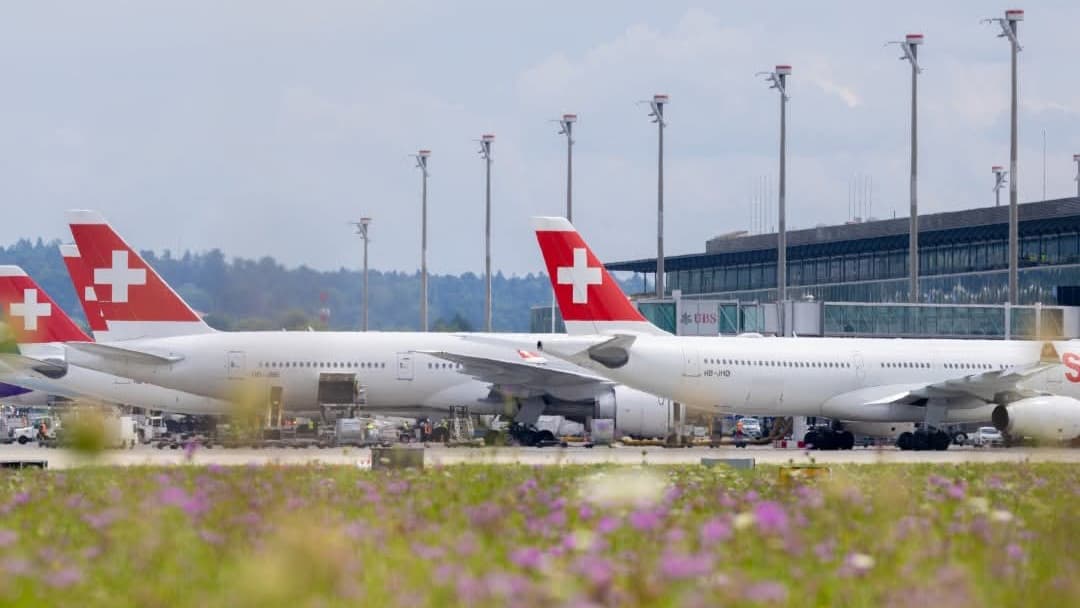
SWISS has maintained a profitable operation in the first half of 2026, despite a sharp rise in kerosene prices and high maintenance expenses. The airline reported an adjusted EBIT of 189.3 million Swiss francs, a modest 3% year-on-year decline. Revenue grew by 3.2% to 2.77 billion Swiss francs, while passenger numbers rose 0.6% to approximately 8.5 million. Flight movements, however, decreased by 4.1% to just over 67,400, yet the load factor improved by 2.2 percentage points.
Fuel costs have become a major burden. In the second quarter, fuel expenses surged by about 50%, according to CFO Dennis Weber, who noted that fuel is the airline's largest cost item. He credited efficiency measures for partially offsetting the increase. CEO Jens Fehlinger emphasized SWISS's role in maintaining Switzerland's connectivity, especially in uncertain times.
These results contrast sharply with those of parent company Lufthansa Group, which saw its adjusted operating profit fall 56% to 383 million euros in Q2, despite record revenue of 11.1 billion euros. The group faced an estimated 750 million euro increase in fuel costs. This performance gap has reignited the debate in Switzerland about SWISS's autonomy within the group, with the newspaper Le Temps suggesting that the strong results add fuel to the recurring discussion about commercial decisions and long-haul network development.
SWISS has been part of Lufthansa Group since 2005, retaining its brand, AOC, and Swiss-based management. However, many functions—from commercial planning to IT systems—are increasingly centralized. The pilot union Aeropers has voiced concerns during collective bargaining negotiations, claiming that SWISS is following Lufthansa's path and neglecting Swiss values. While pilots do not question group membership, they fear a gradual loss of local decision-making power over scheduling, work organization, and corporate culture.
Dominik Jäggi, SWISS's head of flight operations, defended the airline's national anchoring, stating that direct communication, reliability, and compromise are part of the Swiss way. Management remains open to dialogue with Aeropers, which has suspended negotiations, though the current collective agreement remains in force until the end of 2026. For SWISS, the challenge ahead is to sustain profitability while investing in cabins and fleet. For employees, the strong financial results strengthen their case for greater leeway within Lufthansa Group.