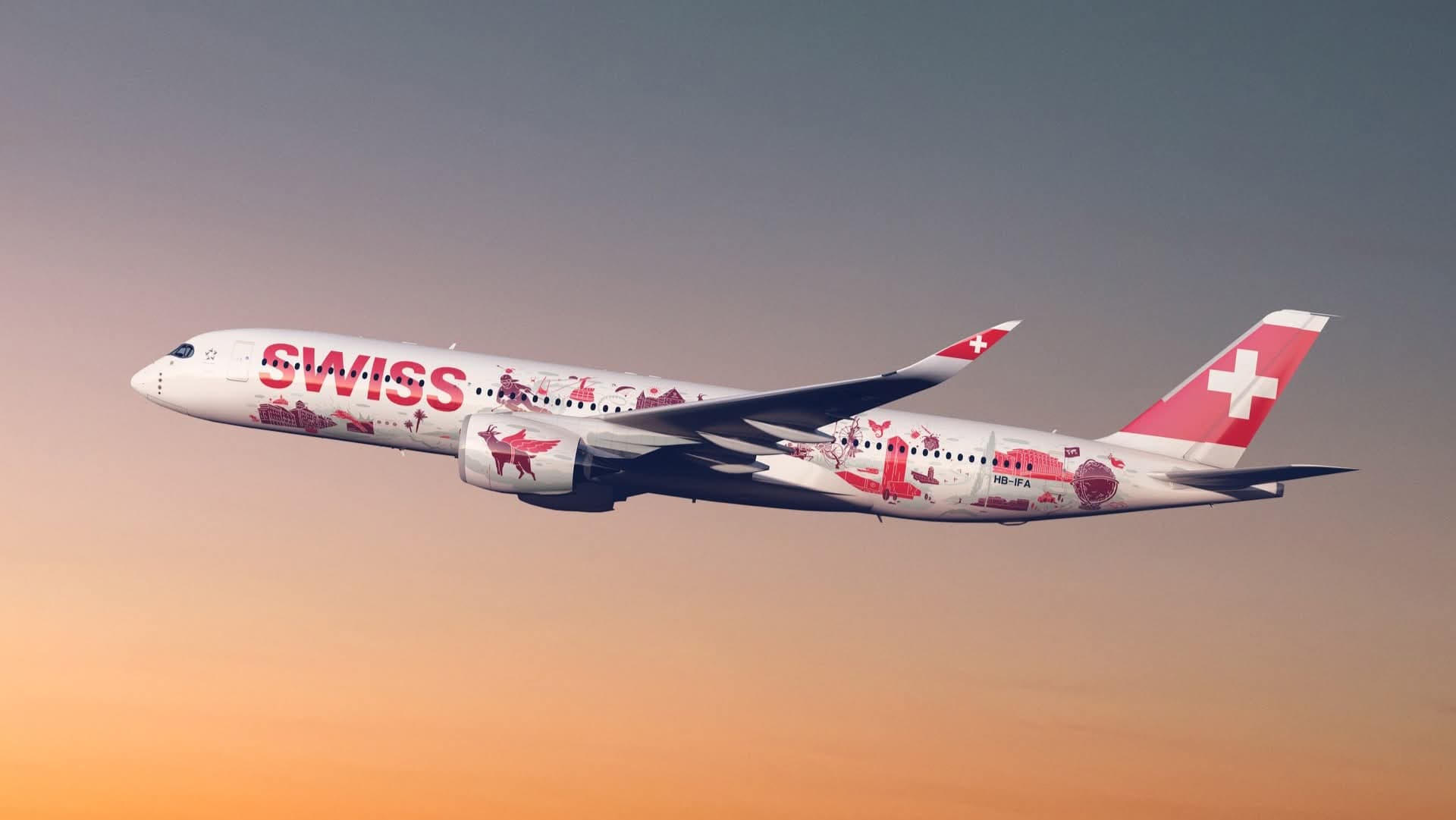
On July 27, 2026, SWISS flight LX16, an Airbus A330-300 en route from Zurich to New York JFK, was diverted to Bangor International Airport in Maine after smoke was detected in the forward Business class cabin. The crew declared an emergency and followed standard procedures, landing safely without injuries. Post-landing inspections using thermal detection found no evidence of fire in the cockpit, and the aircraft was grounded for further examination.
SWISS has since identified the cause: a commercial earbud charging case with a power bank function became wedged in a seat and was damaged, leading to heat and smoke generation. Although the battery was low-capacity, the incident underscores that even everyday lithium-powered accessories can pose a serious fire risk if damaged. This case serves as a stark reminder for airlines and passengers alike about the potential hazards of lithium batteries in flight.
The crew's response was praised by SWISS, who noted that pilots and cabin crew "reacted exactly as they were trained to do." The pilots immediately executed smoke checklists and opted for a diversion to the nearest suitable airport with full emergency services. Cabin crew utilized their specialized training for lithium battery incidents, including the use of fire-resistant bags designed to contain overheating devices. This incident highlights the critical importance of crew training and adherence to procedures in handling unexpected in-flight emergencies.
Interestingly, initial reports from the FAA mentioned a "cockpit fire," which was later corrected to "smoke in the cabin." This distinction is crucial in aviation safety: a cockpit fire is one of the most feared scenarios, while cabin smoke, though serious, is managed with different procedures and margins. The FAA's clarification aligns with SWISS's insistence that there was no fire in the cockpit, only smoke confined to the forward Business section.
In response to the incident, SWISS reiterated its reinforced rules on power banks, which were updated earlier in 2026. Passengers are limited to two external batteries, which must be carried in cabin baggage only. They cannot be used or charged during the flight, and must be kept on the person or in a bag under the seat, not in overhead bins or checked luggage. These measures aim to mitigate the risks associated with lithium batteries, a growing concern in aviation.