**What happened?**
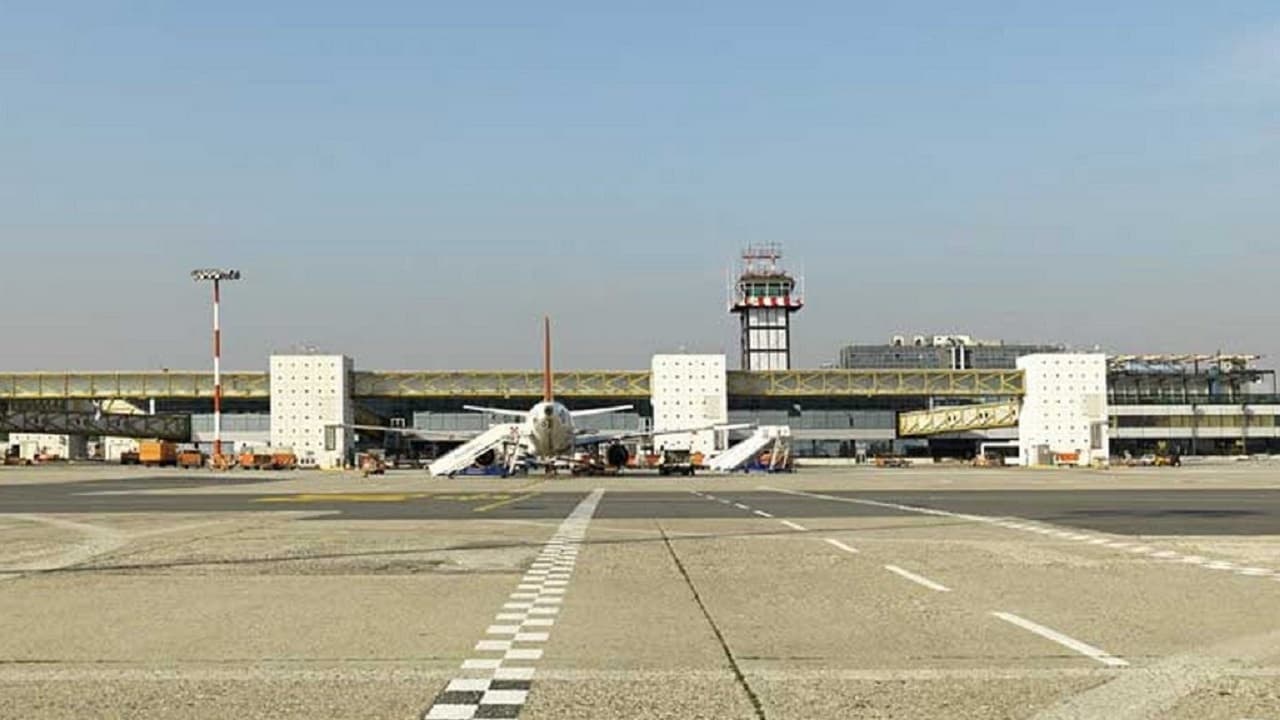
On Friday, July 3, Ryanair flight FR1423 from Milan Malpensa to Alicante was evacuated before departure due to a swarm of mosquitoes that invaded the cabin during boarding. According to passenger accounts reported by Italian media, the cabin became infested with a large number of mosquitoes as the aircraft doors remained open, allowing insects to continue entering for several minutes. Crew members initially tried to drive the insects away using fly swatters and by turning off the cabin lights, but these measures proved ineffective. After about half an hour, the decision was made to evacuate all passengers for health reasons, especially after one passenger reported being allergic to mosquito bites. A passenger commented, "It could have turned into a drama," noting that the situation was incompatible with passenger safety, particularly for those with sensitivities or allergies.
**Response and delay**
Despite an attempt to disinfect the cabin, the mosquitoes persisted, prompting Ryanair to replace the aircraft. Passengers were sent back to the terminal and later transferred to a different gate to board a second plane. The flight eventually departed nearly three hours late. Another Ryanair flight from Milan Malpensa to Naples, scheduled for the same evening, was also delayed by about two hours due to a similar problem, according to 20Minutes.
**Industry context and relevance for ATPL/ATC students**
While such incidents are rare, they are not unprecedented. In October 2023, a Volaris flight from Guadalajara to Mexico City was similarly invaded by mosquitoes, forcing the crew to spray insecticide and delaying takeoff by over two hours. For ATPL and ATC students, this event underscores the importance of considering all potential hazards during pre-flight and ground operations. The presence of insects in the cabin is not just a comfort issue—it can escalate into a health and safety emergency, especially for passengers with allergies. It also demonstrates how crew resource management (CRM) and decision-making under pressure are critical: the crew tried low-tech solutions before opting for evacuation and aircraft change, a sequence that mirrors the layered decision-making taught in ATPL training. ATC students should note that such events can cause unexpected ground delays and require coordination between the airline, airport operations, and air traffic control to manage rerouting and slot times.
**Takeaway**
This incident, though unusual, is a reminder that aviation safety extends beyond mechanical or weather-related threats. Biological hazards, including insect infestations, can disrupt operations and require swift, coordinated responses. For future pilots and controllers, it reinforces the need to stay alert to all environmental factors that could affect flight safety and to follow established procedures even in unconventional situations.