**A Strengthened France–Lisbon Bridge for Summer 2026**
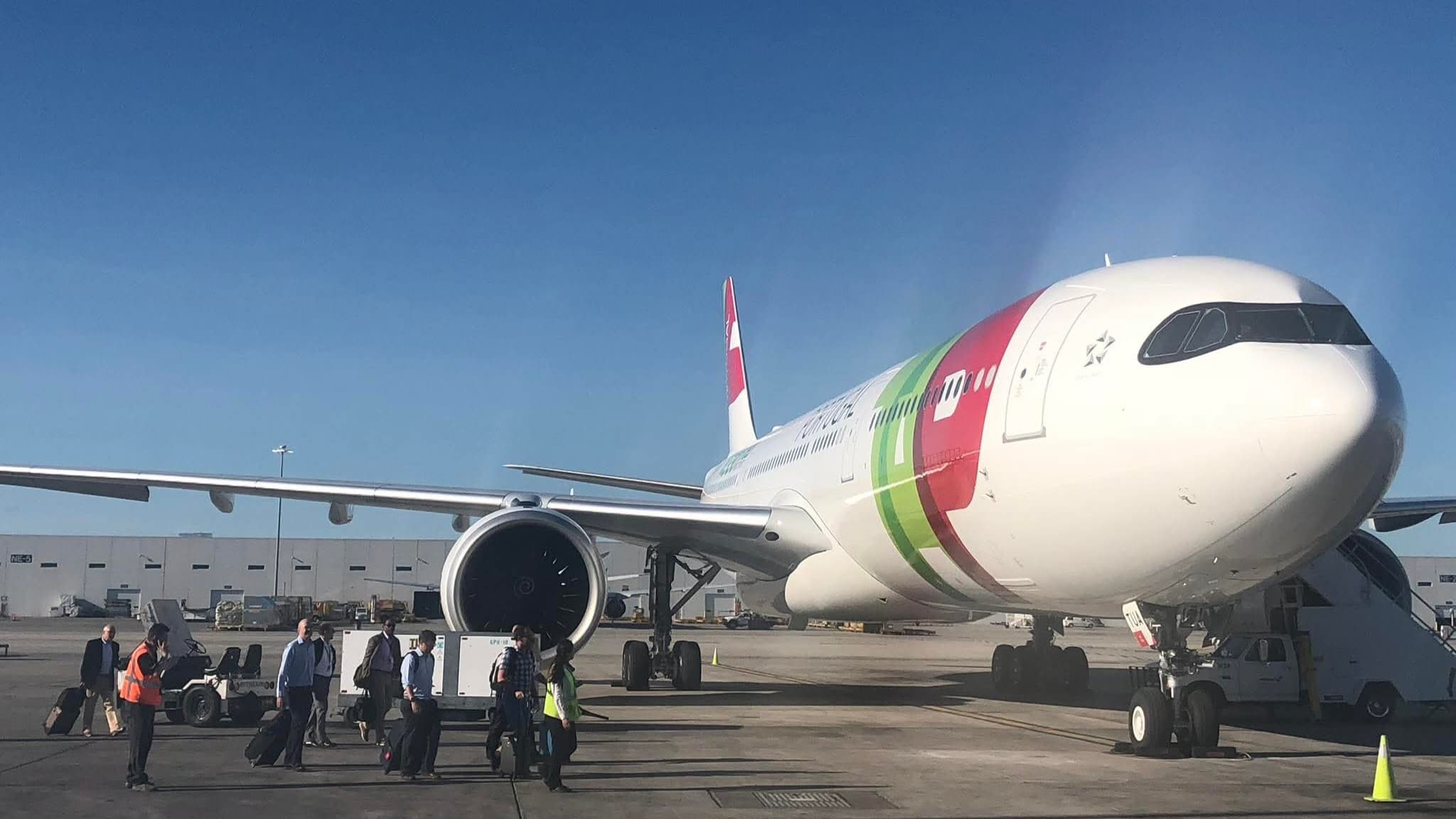
TAP Air Portugal has announced a significant expansion of its summer 2026 schedule, operating 132 weekly flights between France and Portugal. Direct routes from Paris, Lyon, Marseille, Nice, and Toulouse to Lisbon, as well as Paris to Porto, are set to solidify Lisbon’s role as a key connecting hub for French travelers. This increased capacity is designed to optimize transfer times for passengers heading to the Atlantic and South America, catering to both leisure and VFR (Visiting Friends and Relatives) segments. For ATPL and ATC students, this is a textbook example of how a hub-and-spoke model relies on precise scheduling and slot coordination to maximize connectivity.
**Growing Atlantic Destinations: Cape Verde, São Tomé, and the Azores**
Beyond Brazil, TAP is leveraging its Lisbon hub to boost access to emerging Atlantic destinations. The airline now offers regular connections to Cape Verde (Praia, Sal, São Vicente), São Tomé and Príncipe, Madeira, and the Azores. These islands are increasingly popular among French travelers seeking immersive, nature-focused experiences—hiking, whale watching, and volcanic landscapes. The Azores, in particular, are marketed as a sustainable tourism destination, with year-round appeal. For ATC trainees, managing the increased traffic to these secondary airports (often with limited infrastructure) presents operational challenges in terms of approach procedures, runway capacity, and weather-related delays.
**Brazil: The Crown Jewel of TAP’s Long-Haul Network**
TAP remains the European carrier with the most extensive network to Brazil, now serving 15 destinations. The summer 2026 program includes new routes to São Luís (autumn 2026) and Curitiba (July 2026), plus increased frequencies to Porto Alegre and Florianópolis. This depth allows TAP to tap into secondary Brazilian markets like Belém, Natal, and Maceió, which appeal to French tourists seeking a more authentic Brazil away from the megacities. In 2025, TAP carried 16.7 million passengers globally, with over 2 million to Brazil alone—a record for a European carrier. For ATPL students, this growth underscores the importance of fleet planning, crew scheduling, and fuel efficiency on long-haul routes, while ATC students can study the coordination required for transatlantic flights, including oceanic airspace management and slot allocation at congested Brazilian airports.
**Implications for Aviation Training**
This network expansion offers rich case studies for aviation professionals. ATPL candidates can analyze how seasonal demand drives capacity decisions, while ATC students can explore the complexities of managing a hub with multiple connecting waves. The focus on sustainable tourism and secondary airports also raises questions about infrastructure readiness and environmental regulations—topics increasingly relevant in modern aviation exams.