Swedavia, the Swedish airport operator, reported that its ten airports handled just over 3.3 million passengers in July 2026, a nearly 2% increase year-on-year. This growth was almost entirely driven by international travel, which rose 4%, while domestic traffic fell 13% due to reduced airline capacity and weaker demand. The figures highlight a continuing structural shift in Swedish aviation: international connectivity is thriving, but the domestic market remains under pressure from high-speed rail competition and strong environmental concerns among Swedish travelers.
Stockholm-Arlanda, the country's main hub, welcomed just under 2.5 million passengers in July, up 1% from last year. However, this apparent stability masks a significant rebalancing. International traffic grew over 3% to exceed 2.2 million passengers, setting an absolute record for any July since records began, surpassing the previous peak from 2018 by about 10,000 travelers. In contrast, domestic traffic plunged nearly 16% to just over 214,000 passengers. Arlanda is consolidating its role as an international gateway, while its domestic share diminishes as rail takes over short-haul routes and airlines rationalize frequencies.
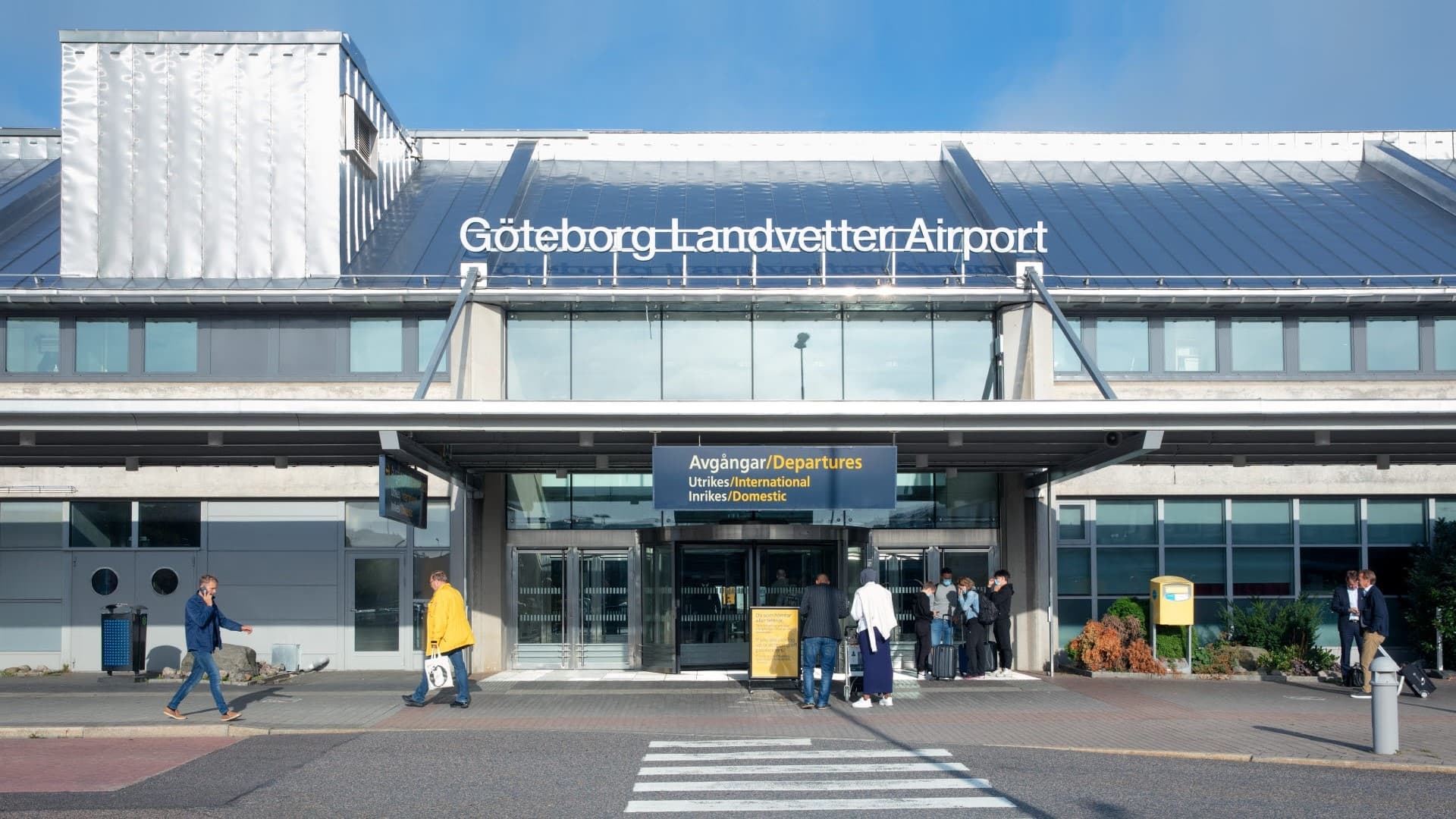
Gothenburg-Landvetter, Sweden's second airport, confirmed the trend with nearly 624,000 passengers in July, up 2% year-on-year, including a 3% rise in international traffic to 601,000. Domestic flights there dropped sharply by 21% to around 23,000 passengers. Malmö Airport saw a 17% increase in total traffic, driven mainly by international routes, though it remains a smaller operation. Regional airports showed mixed results: Åre Östersund posted the strongest growth at +178%, boosted by domestic and tourist demand, while Bromma Stockholm continued its decline, handling just over 7,300 passengers—only about 5% of its 2019 level—as traffic concentrates at Arlanda.
For the first half of 2026, Swedavia's airports welcomed over 16.2 million passengers, up 4.4% from the same period in 2025, with international growth outpacing domestic. In 2025, the ten airports totaled 33.3 million passengers, still far below 2019 levels. The July 2026 data shows Sweden has recovered or even exceeded pre-pandemic international volumes on some platforms, but domestic traffic remains fragile. A Swedavia spokesperson noted that international travel is the main growth driver, while the domestic market stays weak. This trend has significant implications for aviation training, as students must understand shifting route networks and demand patterns that affect ATC operations and airline planning.