**Starlux Airlines' Ambitious Long-Haul Expansion: A Case Study for Aviation Students**
Taiwan's Starlux Airlines, founded in 2020, is accelerating its international growth with plans to launch long-haul routes to Europe and Oceania by 2027. During its annual general meeting on May 29, 2026, Chairman Chang Kuo-wei unveiled potential new services from Taipei-Taoyuan (TPE) to Barcelona (BCN) and Zurich (ZRH), alongside a combined Sydney (SYD) and Auckland (AKL) route. These plans, still under study, represent a strategic push into less saturated markets, avoiding direct competition with established Taiwanese carriers EVA Air and China Airlines on major European hubs like London, Paris, or Frankfurt.
For ATPL and ATC students, this expansion offers a real-world example of network planning and competitive strategy. Starlux's choice of Barcelona and Zurich over traditional mega-hubs demonstrates how airlines can carve a niche by targeting secondary cities with strong business or tourism potential. The Sydney-Auckland combo route is particularly instructive: it optimizes long-haul aircraft utilization by combining two destinations on one flight, reducing operational risk while capturing traffic from both markets. This is a classic tactic in airline scheduling that students should understand when studying route economics and fleet management.
**North American Growth and Fleet Strategy**
Starlux is also strengthening its North American presence. After establishing West Coast services to Los Angeles, Ontario, San Francisco, Seattle, and soon Phoenix, the carrier is evaluating new destinations further east, including Chicago, Washington, New York, and Dallas. The Phoenix route is a strategic play tied to Taiwanese semiconductor investments (TSMC) in the region, highlighting how airlines align route development with economic corridors. For ATC students, this underscores the importance of understanding traffic flows and demand patterns when managing airspace and airport slots.
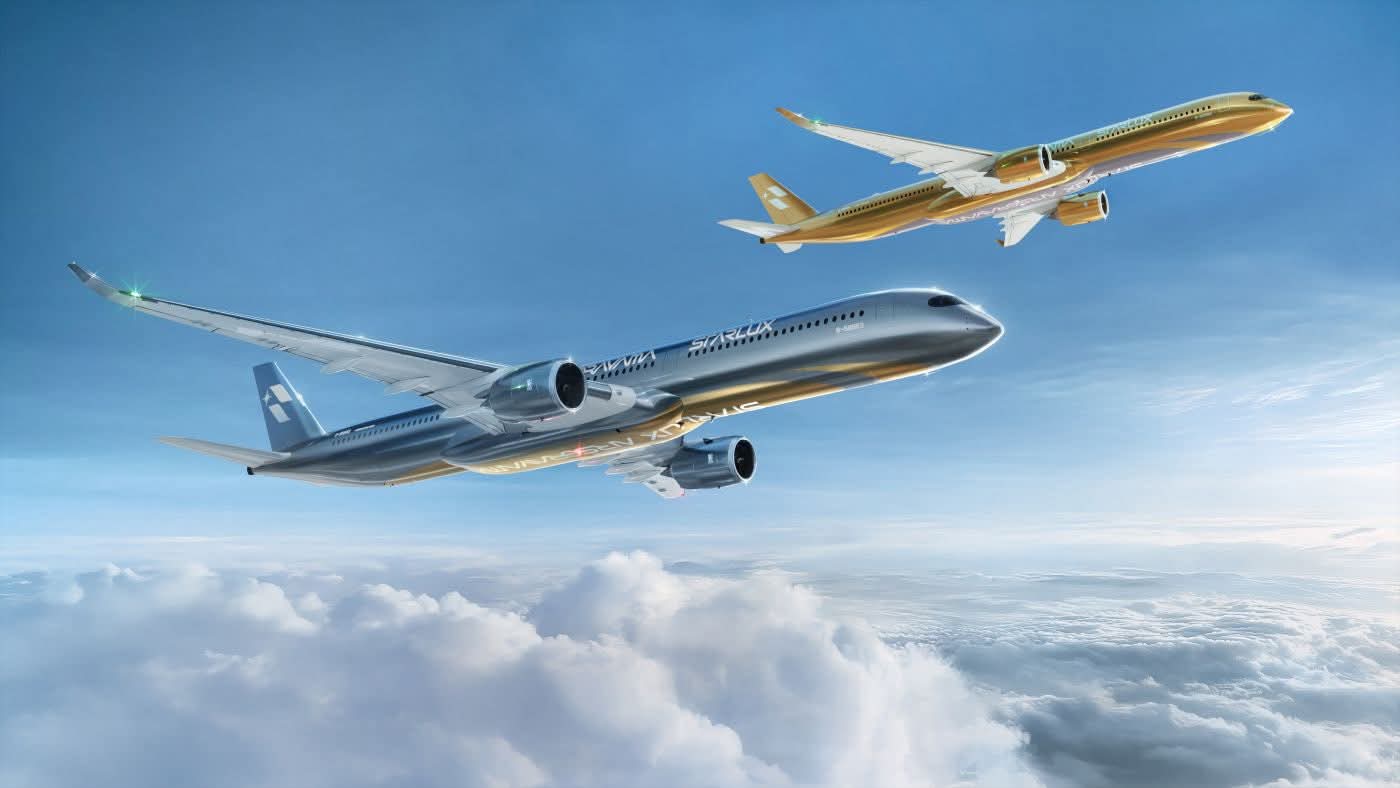
The airline's fleet consists of Airbus A350-900/1000 (12 units), A330-900 (8), and A321neo (13), enabling efficient long-haul operations. By 2026, Starlux will also add regional routes to Busan (South Korea) and Bali (Indonesia), further expanding its Asia-Pacific network. This fleet mix is a textbook example for ATPL students studying aircraft performance and route planning: the A350's range and fuel efficiency make it ideal for ultra-long-haul sectors like Taipei to Barcelona or Sydney, while the A330 and A321 serve medium-haul and regional markets.
**Competitive Positioning and Industry Implications**
Starlux's premium positioning—offering high-quality service on select routes—differentiates it from legacy carriers. This strategy is particularly relevant for ATPL students learning about airline business models and market segmentation. The carrier's measured expansion, avoiding head-on competition with EVA Air and China Airlines, illustrates how new entrants can succeed by focusing on underserved markets and premium customers.
For ATC students, the introduction of new long-haul routes from Taipei will impact traffic flows across the Pacific and into European airspace. Understanding these developments helps in anticipating changes in air traffic density, coordination with neighboring FIRs, and potential slot constraints at airports like Barcelona and Zurich. Additionally, the combined Sydney-Auckland route may require careful sequencing of arrival and departure slots to avoid congestion.
**Conclusion**
Starlux Airlines' expansion plans offer a rich case study for aviation training. From network planning and fleet selection to competitive strategy and airspace implications, the move touches on core topics for both ATPL and ATC students. As the carrier moves toward 2027, monitoring its progress will provide ongoing lessons in real-world aviation management.