**A New Hub Lounge in Southern China**
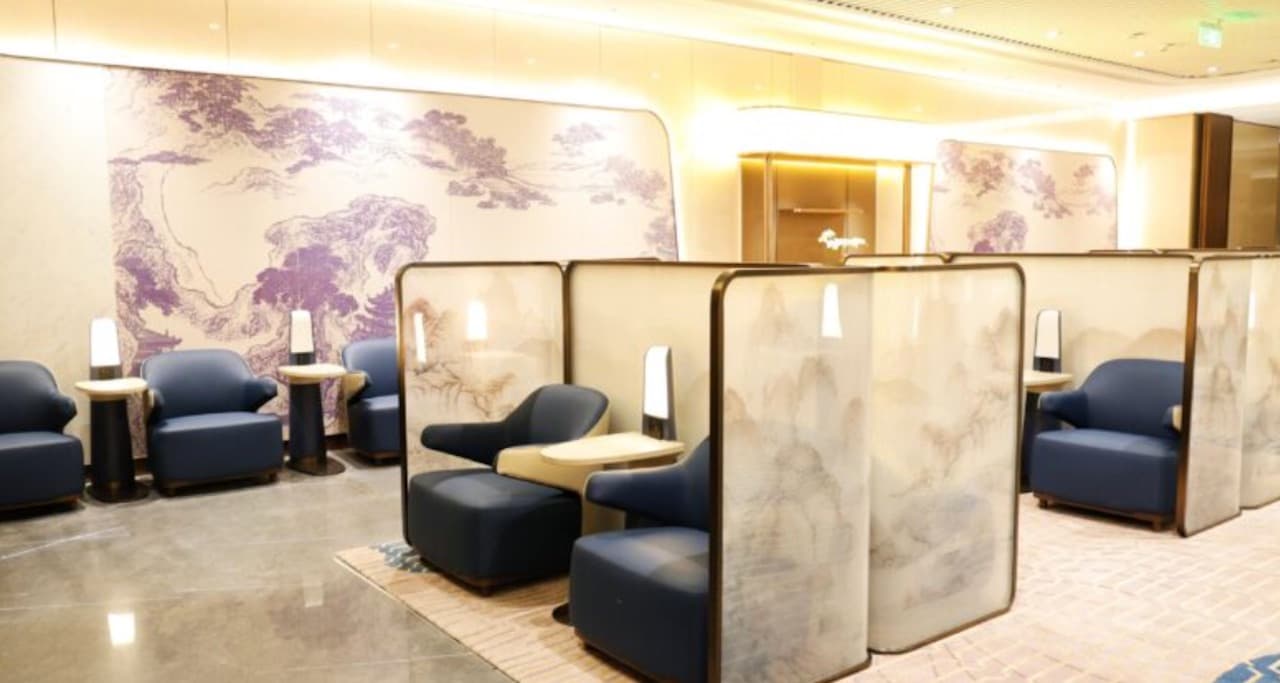
Star Alliance officially opened its latest lounge at Guangzhou Baiyun International Airport (CAN) on April 28, now located in the brand-new Terminal 3. Spanning 1,400 square meters and capable of hosting up to 245 passengers, the lounge includes a 700 m² outdoor garden—a rare feature in airport lounges worldwide. Open 24 hours a day, it is designed to accommodate the airport's international traffic patterns, which include many late-night and early-morning departures. This facility replaces the previous Star Alliance lounge in Terminal 1 and marks a strategic shift as Terminal 3 becomes the primary hub for international operations at Baiyun.
**Why This Matters for Aviation Professionals**
For ATPL and ATC students, this development is more than a luxury upgrade—it illustrates how airport infrastructure evolves to support growing international connectivity. Guangzhou Baiyun is positioning itself as a major Asian hub, with a planned expansion to five runways and three terminals. The lounge's 24-hour operation reflects real-world operational demands: long-haul flights often depart at off-peak hours, requiring facilities that match crew and passenger schedules. Understanding such operational considerations is crucial for future pilots and controllers who will work in complex, multi-terminal environments.
**Design and Services Rooted in Local Culture**
The lounge's design incorporates elements of Lingnan culture, with a central sculpture inspired by the kapok flower, Guangzhou's city emblem. A dedicated tea experience, led by tea masters, introduces passengers to the cultural significance of tea in southern China. The facility also offers various zones: quiet rest areas, nap pods, private lounges, reading corners, and workstations. Catering is provided by the five-star Pullman hotel team, offering a mix of Chinese and Western dishes. For students, this demonstrates how airlines and alliances use local culture to enhance passenger experience—a key aspect of airline branding and customer loyalty strategies.
**Operational Context for ATPL and ATC Students**
Ten Star Alliance member airlines operate from Guangzhou, including Air China, ANA, Asiana, EgyptAir, Ethiopian, EVA Air, Shenzhen Airlines, Singapore Airlines, THAI, and Turkish Airlines. Together, they offer about 1,500 weekly departures to 52 destinations across 10 countries. For ATC trainees, this volume highlights the coordination required between airport operators, airlines, and alliances to manage premium passenger flows. For ATPL students, understanding lounge access rules—First and Business class passengers, plus Star Alliance Gold status holders—is part of the broader knowledge of airline partnerships and frequent flyer programs, which are tested in ATPL exams.
**A Strategic Investment in China's Aviation Growth**
The lounge is operated by Guangzhou Baiyun Airport Business Travel Service Co., Ltd., which manages several premium spaces at the airport. This partnership reflects the deepening ties between Star Alliance and Baiyun Airport, as the latter aims to become a key gateway for the Greater Bay Area (Guangdong-Hong Kong-Macao). For aviation students, this case study illustrates how infrastructure investments align with regional economic development plans—a topic relevant to airport planning and air transport management modules in ATPL training.