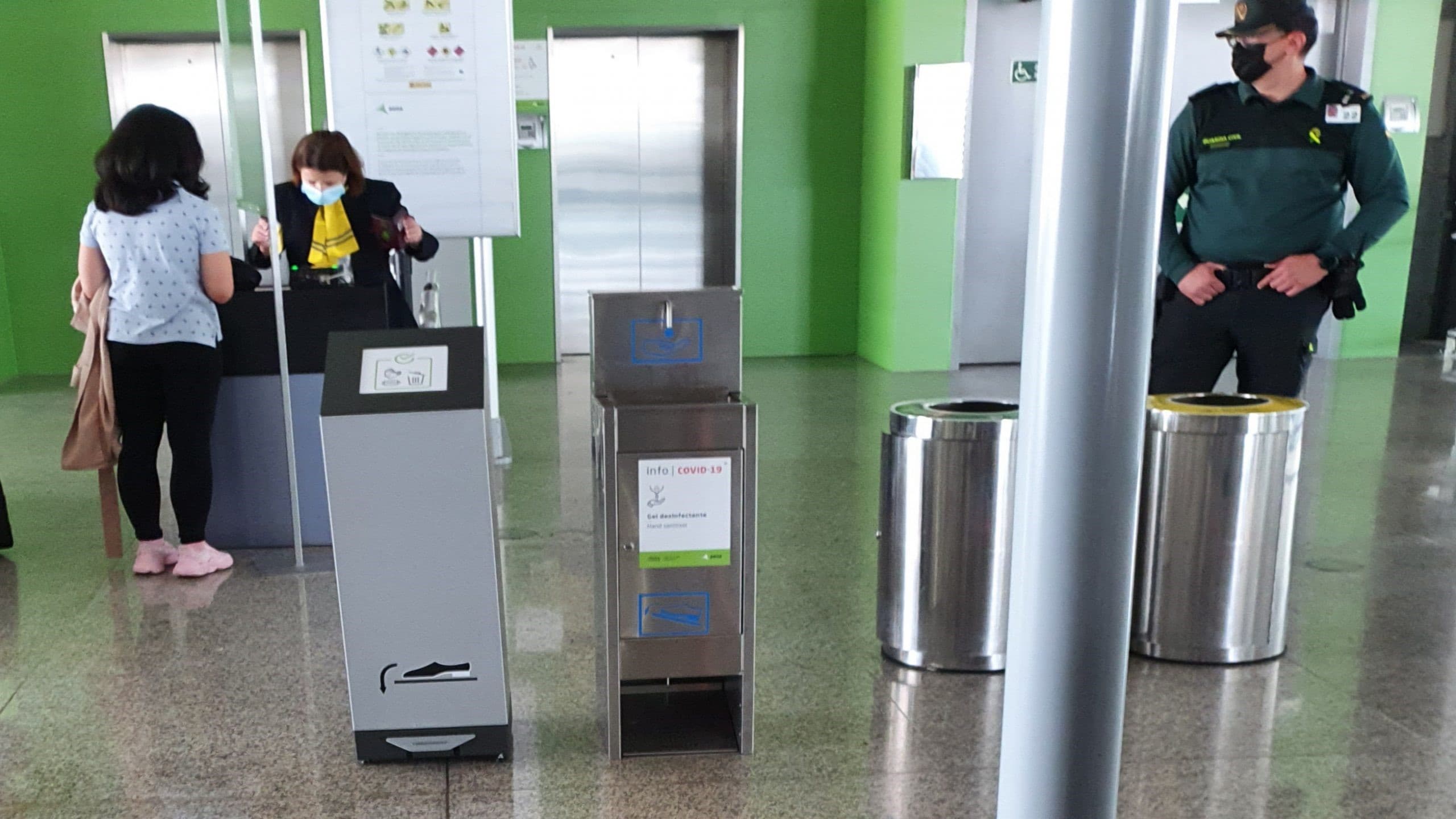
In a significant move within the Schengen area, Spain has introduced temporary border controls at its ports and airports for travelers arriving from Italy, effective August 8 and lasting until September 7. This follows Italy's earlier decision to suspend Schengen rules for third-country nationals arriving from Spain, which remains in place until at least August 15. While air links between the two countries are not suspended, the reinstatement of internal border checks is reshaping the arrival experience for passengers, adding layers of scrutiny that can ripple through airport operations.
According to data from the Italian daily Corriere della Sera, more than 86,000 people board flights between the two countries each day in August, spread across nearly 500 direct flights. Eurocontrol recorded an average of 540 daily direct flights in both directions during the week of July 31 to August 6. With such high traffic volumes, even a few extra minutes per passenger can strain terminal capacity. The most visible effects are longer queues at arrival and less predictable exit times, particularly at major hubs like Rome-Fiumicino and Milan-Malpensa, especially on routes from Madrid and Barcelona, among the busiest in Europe.
For transit passengers, the situation is more critical. Major Italian and Spanish airports serve as gateways to numerous European and intercontinental destinations. A short connection window can be jeopardized by an additional control at arrival, reducing the margin before the next boarding. Cirium data indicates that about 2.9 million seats are on sale for direct flights between the two countries in August, with a load factor above 92%, translating to nearly 2.7 million passengers in both directions. Low-cost carriers like Ryanair, Vueling, and Wizz Air dominate the market, but legacy airlines such as ITA Airways, Iberia, and Air Europa are also affected, especially for transit passengers through Rome, Madrid, or Barcelona hubs.
From an operational perspective, these controls test the resilience of airport infrastructure and staff availability. The temporary nature of the measures means airlines and airports must adapt quickly, potentially adjusting schedules or informing passengers of longer processing times. For travelers, the key takeaway is to allow extra time for arrival procedures and to consider longer connection times when booking. While the measures are temporary, they highlight the fragility of seamless travel within Schengen and the cascading effects of border policy changes on aviation operations.