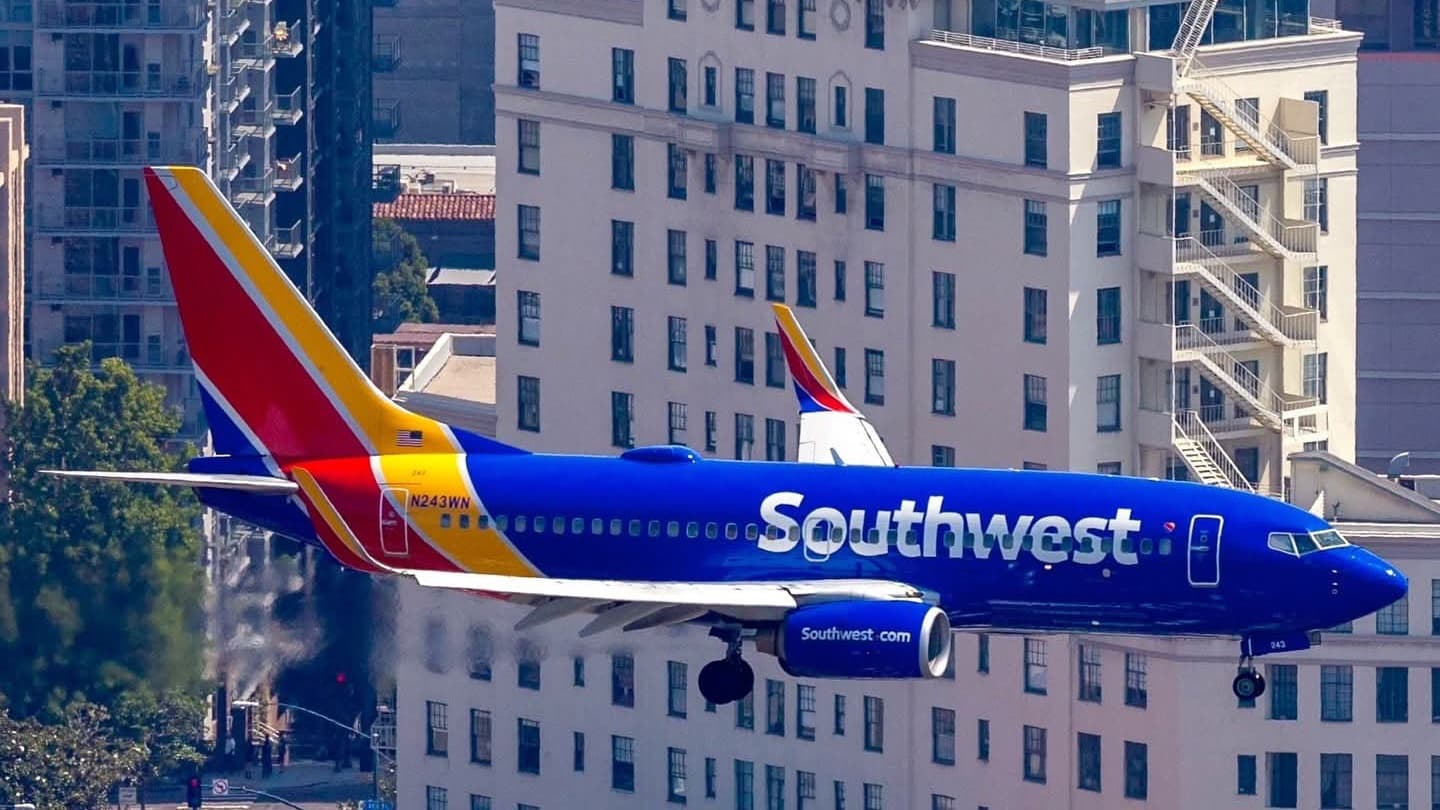
On June 22, 2026, Southwest Airlines operated its first commercial flight with a Boeing 737-800 equipped with Starlink satellite connectivity, flying from Dallas Love Field to Albuquerque, New Mexico. The aircraft, registered N8543Z, is the first of what the airline plans to be hundreds of Starlink-equipped jets by the end of the year. This deployment marks a significant milestone in the race to deliver high-speed, low-latency internet to airline passengers, a trend that directly impacts the aviation training landscape.
For ATPL and ATC students, this development is more than a marketing headline. Starlink uses a constellation of low Earth orbit (LEO) satellites, which drastically reduce latency compared to traditional geostationary satellite systems. Lower latency enables real-time applications such as video conferencing, online gaming, and live streaming in 4K — all of which are becoming standard passenger expectations. Understanding the technical differences between LEO and geostationary satellite systems is now relevant to aircraft systems knowledge, as more carriers adopt LEO-based solutions. Additionally, the integration of such systems involves modifications to aircraft wiring, antennas, and network interfaces, which are covered in ATPL modules on electrical and electronic systems.
Southwest’s strategy also includes a partnership with T-Mobile to offer free Wi-Fi to members of its Rapid Rewards loyalty program. This business model — free connectivity tied to customer loyalty — is becoming common across North American carriers. For ATC trainees, the increased reliance on passenger connectivity raises questions about spectrum management and potential interference with aircraft navigation and communication systems, though Starlink systems are certified to avoid such issues. The Federal Aviation Administration (FAA) and other regulators have established guidelines for the installation and operation of satellite-based internet on commercial aircraft, which students should be aware of.
The airline industry’s shift toward LEO satellite internet is not limited to Southwest. Alaska Airlines, American Airlines, United Airlines, and WestJet have all announced Starlink deployments, while Delta Air Lines has chosen Amazon’s Project Kuiper for its next-generation connectivity, expected from 2028. This competitive landscape means that future aviation professionals will encounter multiple satellite internet providers and must understand their operational characteristics. For ATPL candidates, knowing the differences between systems like Starlink, Viasat, and Kuiper can be useful in airline interviews and operational decision-making.
In summary, Southwest’s first Starlink flight is a practical example of how satellite technology is evolving in aviation. It highlights the importance of low-latency communications, the integration of new systems into existing fleets, and the changing expectations of passengers. For students preparing for ATPL or ATC careers, staying informed about such technological advancements is essential for both exams and real-world operations.