The ongoing conflict in the Middle East has sent kerosene prices skyrocketing, creating a severe ripple effect across the Asian aviation industry. For students pursuing their ATPL or ATC training, understanding how fuel costs directly influence airline operations, route planning, and pricing strategies is essential. This real-world scenario provides a vivid case study of the delicate balance between economic viability and operational connectivity.
**Japan: Doubling Fuel Surcharges**
Japan Airlines (JAL) has announced a significant increase in fuel surcharges for international tickets issued between July and August 2026. The surcharge is calculated based on the average kerosene price in Singapore over two months, which reached $178.21 per barrel during April–May—far above pre-conflict levels. For flights from Japan to North America and Europe, surcharges will now reach up to 65,000 yen (approximately €350) per reservation, more than double the 29,000 yen charged earlier this spring. All Nippon Airways (ANA) has followed suit, citing the "soaring kerosene prices linked to the Middle East crisis" as an unavoidable reason to pass on some costs to passengers. While public subsidies partially offset these increases, they are likely to dampen summer tourist demand to Japan.
**Thailand: Hundreds of Flights Cancelled**
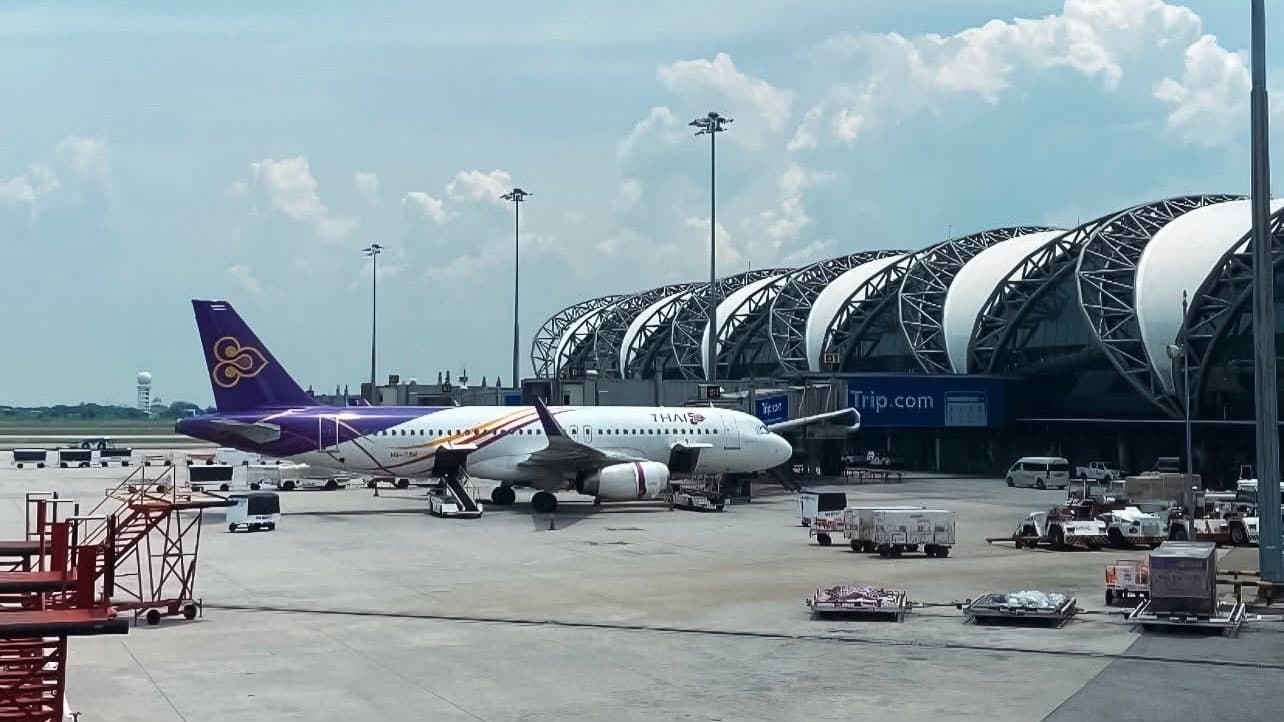
In Thailand, the impact is more drastic, with major capacity reductions on domestic and regional routes. Thai Airways, Thai Lion Air, and Thai AirAsia have announced the cancellation or reduction of dozens of flights for the second and third quarters of 2026. Thai Airways has suspended or reduced frequencies on about ten regional routes, including New Delhi, Kaohsiung, Hong Kong, Sapporo, and several Chinese cities like Changsha. On the Bangkok–Changsha route, flights are suspended for four months, from June to September 2026. The airline's CFO stated that fares have been raised by 10–15% in response to higher fuel costs, alongside capacity adjustments to minimize losses. Thai Lion Air and Thai AirAsia have suspended or heavily reduced frequencies from Bangkok's two airports (Don Mueang and Suvarnabhumi) to numerous provincial destinations (Buri Ram, Chiang Rai, Khon Kaen, Hat Yai, Krabi, Surat Thani, Udon Thani, Nakhon Si Thammarat) and several cities in India, China, and Southeast Asia.
**Broader Asian Impact and Tourism Pressure**
Beyond Japan and Thailand, other Asian countries are feeling the pressure. In Vietnam, with kerosene approaching $200 per barrel, airlines are "increasing ticket prices, reducing some services, and cutting unprofitable routes," according to local press. Cirium data indicates over 43,000 flights have been cancelled worldwide since the start of the Middle East crisis, with a significant portion in Asia. For ATPL and ATC students, this highlights how geopolitical events can reshape air traffic patterns, demand, and airline financial health. The summer tourist season is particularly at risk, as higher surcharges in Japan, reduced capacity in Thailand, and fare increases elsewhere may deter travelers. Airlines aim to preserve core routes and remain ready to restore capacity once fuel prices normalize, but for now, the energy bill is a dominant factor in flight network planning.
**Conclusion**
This situation underscores the vulnerability of aviation to external shocks. For future pilots and controllers, it demonstrates the importance of fuel management, route economics, and adaptive operational planning. As the industry navigates these turbulent times, the lessons learned will shape more resilient air transport systems.