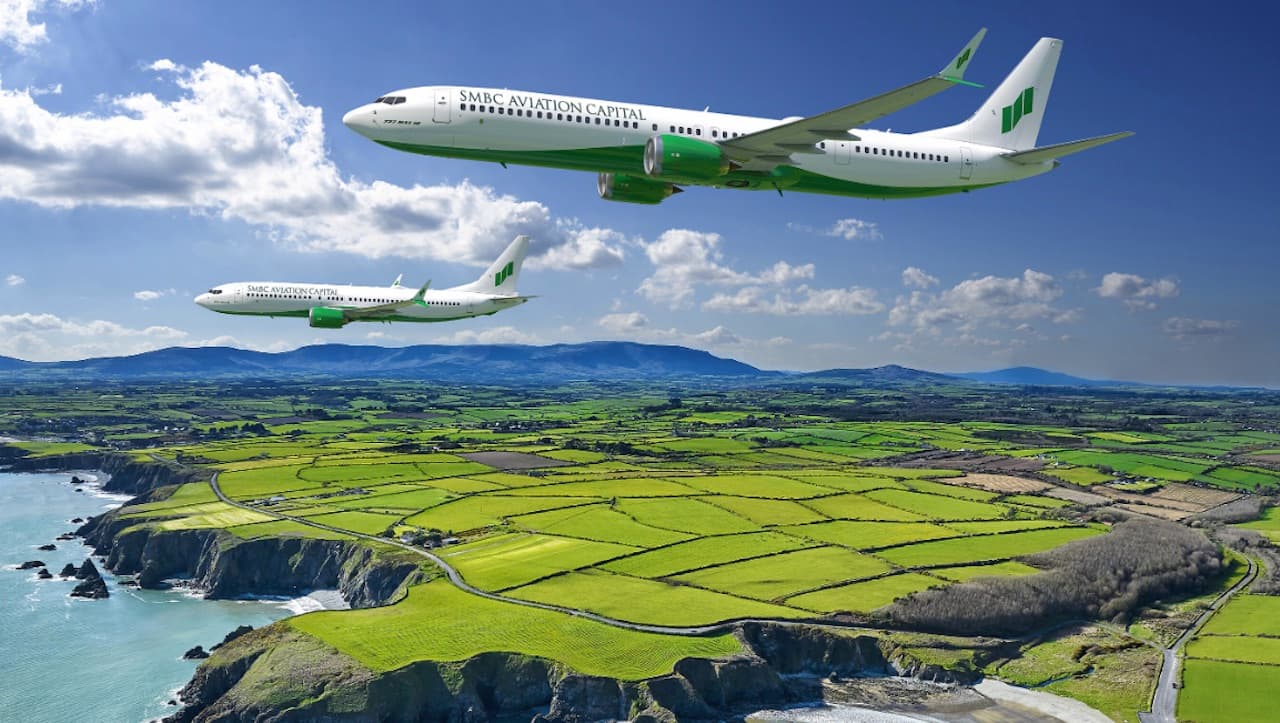
**A Record Order for the 737 MAX 10**
At the Farnborough Airshow, SMBC Aviation Capital announced a firm order for 100 Boeing 737 MAX aircraft, comprising 60 737-10 and 40 737-8 variants. This is the largest order ever placed by a lessor for the 737-10, the biggest member of the 737 MAX family, which can seat up to 230 passengers and fly up to 3,100 nautical miles (5,740 km). The deal brings SMBC's total 737 MAX portfolio—owned, managed, or committed—to 450 units. Boeing highlighted that over 1,450 737 MAX jets have been ordered by lessors globally, representing about 20% of the MAX backlog.
**Why This Matters for Lessors and Airlines**
Peter Barrett, CEO of SMBC Aviation Capital, emphasized that the order secures a long-term supply of next-generation aircraft for the lessor's airline customers. "This transaction represents a significant step for SMBC Aviation Capital and will ensure our airline customers have long-term access to a fleet of new-technology aircraft," he said. He added that the partnership with Boeing, spanning over two decades, reflects market dynamics as airlines seek higher capacity with the 737-10. SMBC now has 80% of its owned fleet (by net book value) in new-technology aircraft, with about 90% being narrowbodies—a clear strategy focused on the latest, most fuel-efficient models.
**Boeing's Strategic Win at Farnborough**
For Boeing, this announcement is a strategic success at Farnborough, where it competed directly with Airbus for SMBC's narrowbody order. Stephanie Pope, President and CEO of Boeing Commercial Airplanes, stated, "We are honored that SMBC's new expanded team continues to place its trust in Boeing and the 737 MAX family. This commitment, which includes SMBC's first order for the 737-10, reflects the strong demand we see for the efficiency, reliability, and versatility of the 737 MAX family."
**Market Context and Implications**
Boeing projects global passenger traffic will grow at an average of 4% per year over the next two decades, driving lessors to expand and diversify their narrowbody portfolios. These aircraft must operate on diverse networks—from high-density domestic routes to regional or medium-haul transcontinental services—while offering significant fuel savings over previous generations. Lessors like SMBC play a crucial role by providing airlines with fuel-efficient aircraft quickly, often through sale-and-leaseback deals or speculative positions on promising types. SMBC, backed by Japanese shareholders Sumitomo Mitsui Financial Group and Sumitomo Corporation, maintains a strong financial position with A- (S&P) and BBB+ (Fitch) ratings.
**What This Means for ATPL and ATC Students**
For ATPL students, understanding fleet composition trends—such as the shift toward high-capacity narrowbodies like the 737-10—is essential for future career planning, as these aircraft will dominate short- to medium-haul operations. ATC students should note that the 737-10's capacity (up to 230 seats) and range (3,100 NM) will influence traffic patterns at major airports, particularly on high-density routes, requiring efficient sequencing and slot management.