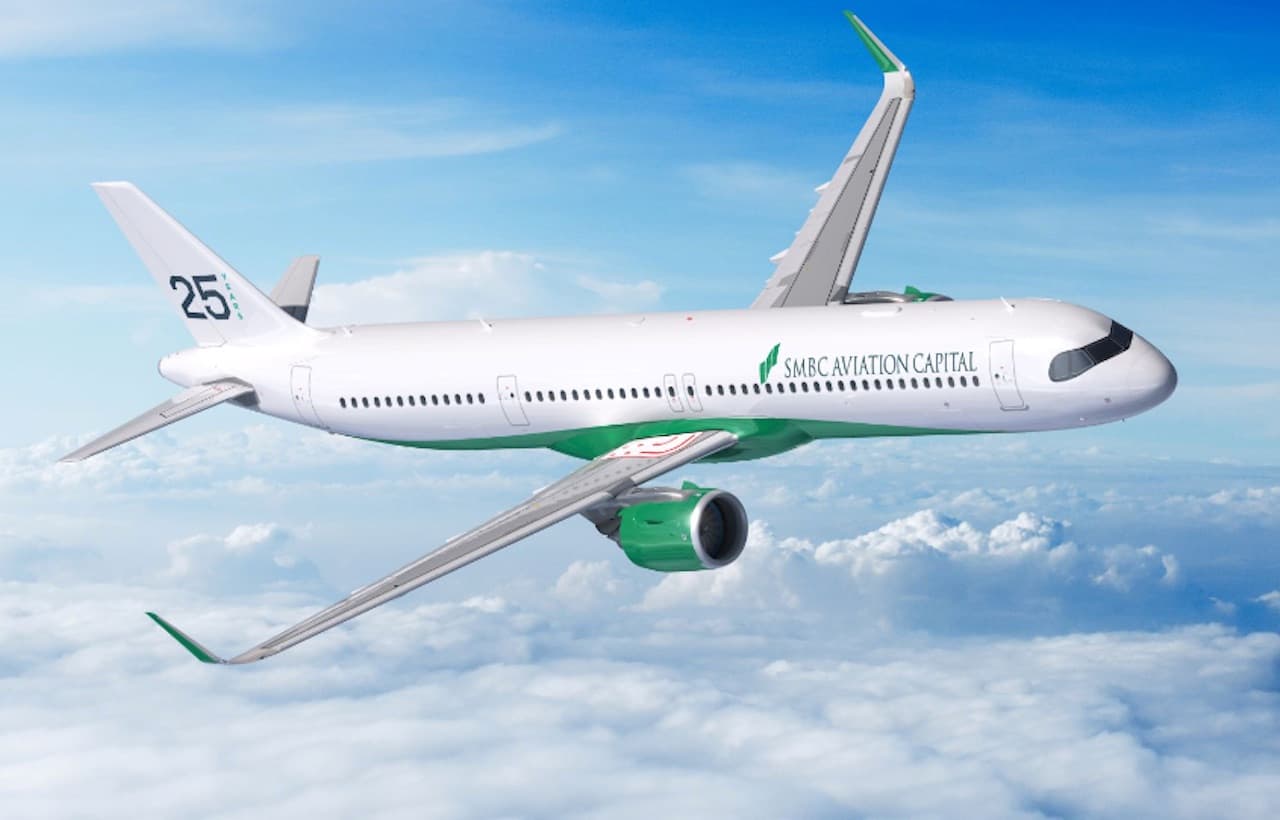
At the Farnborough International Airshow, SMBC Aviation Capital, one of the world's largest aircraft lessors, signed a firm order for 100 Airbus A320neo family aircraft—65 A321neo and 35 A320neo—just hours after finalizing a separate order for 100 Boeing 737 MAX jets. This back-to-back announcement underscores the lessor's strategic approach to maintaining a balanced portfolio between the two leading narrowbody families, a critical move in a market where production slots are booked years in advance.
The Airbus order, valued at list prices in the billions, includes deliveries stretching into the mid-2030s, providing SMBC with long-term visibility to meet fleet renewal needs of its airline customers. Peter Barrett, CEO of SMBC Aviation Capital, emphasized that the deal ensures a continuous flow of next-generation A320neo family aircraft for clients. This order builds on a 25-year partnership with Airbus, with SMBC now having over 900 commitments across all Airbus types, including previous orders and options.
From an aviation training perspective, this news is highly relevant for ATPL and ATC students. The A320neo and 737 MAX are the backbone of modern commercial aviation, and understanding their operational differences—such as fly-by-wire systems, engine choices (LEAP-1A vs. LEAP-1B), and cockpit layouts—is essential. For ATC trainees, the increased deployment of these aircraft means more traffic with similar performance profiles, affecting sequencing and separation standards. The leasing model also impacts fleet planning: airlines often rotate aircraft types based on lease cycles, so controllers may see varied fleets at their airports.
The Boeing order, primarily for the 737-10 variant, was announced earlier the same day at Farnborough, marking the largest single order for the MAX by a lessor. SMBC's dual orders reflect a deliberate strategy to offer airline customers a choice between Airbus and Boeing narrowbodies, mitigating risks from industrial or regulatory issues affecting either manufacturer. This approach is common among major lessors, who must balance demand for both types while securing production slots in a constrained supply environment.
For ATPL students, this news highlights the importance of type ratings and cross-crew qualification. As lessors like SMBC place large orders, airlines may operate mixed fleets, increasing demand for pilots with multiple type ratings. ATC students should note that airports serving hub airlines with mixed fleets may require more flexible runway and gate management. The long delivery timeline also means these aircraft will be in service for decades, shaping the operational landscape for future aviation professionals.