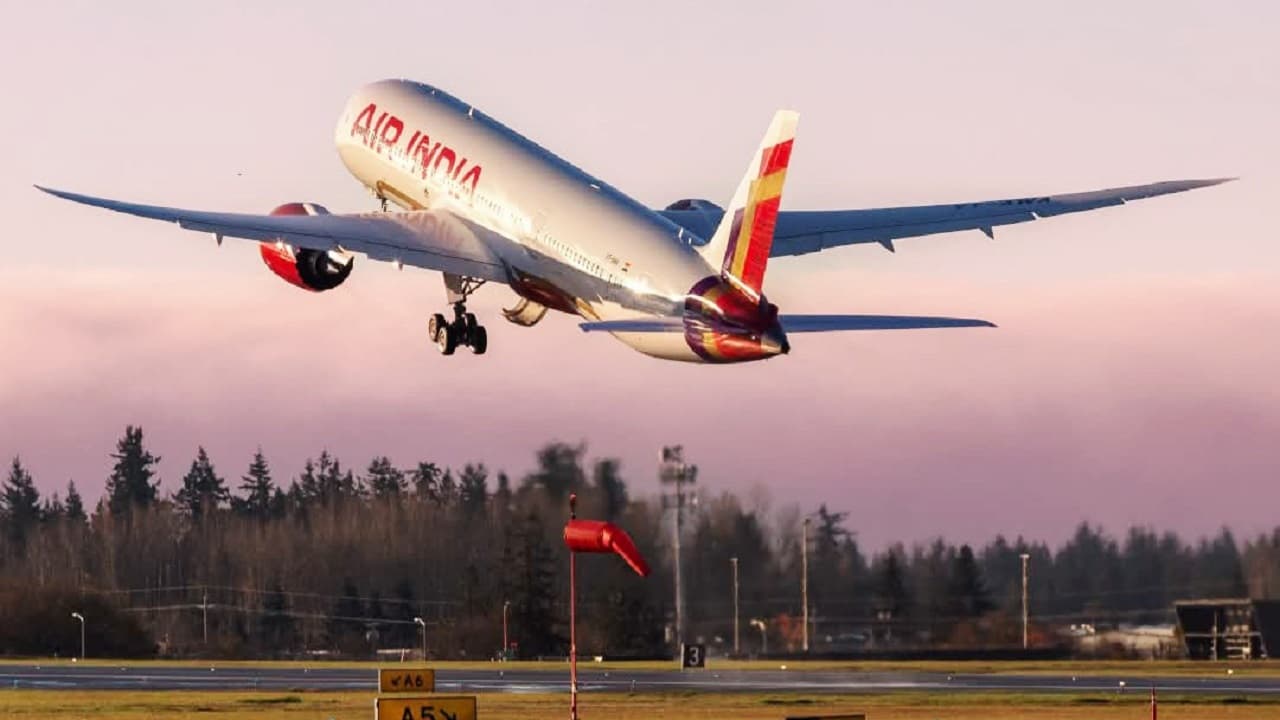
Singapore Airlines (SIA) is feeling the weight of its strategic bet on India. In its annual report for the fiscal year ending March 31, 2026, the group recorded a share of losses of S$945.2 million (about US$735 million) from its 25.1% stake in Air India. This follows the merger of Vistara into Air India, completed on November 12, 2024, which gave SIA a foothold in the world's fastest-growing major aviation market. The loss share contributed to a 57.4% drop in SIA's annual profit, which fell to S$1.18 billion. The previous year had benefited from a one-off non-cash gain of S$1.1 billion related to the merger, making the comparison even starker.
Air India's net loss for the period is estimated at S$3.77 billion (nearly US$3 billion), and the carrying value of SIA's investment has been written down from S$2.02 billion to S$1.13 billion. The Indian carrier's transformation plan has been hit by multiple shocks. The most severe is the crash of flight AI171, a Boeing 787-8 operating from Ahmedabad to London Gatwick, which crashed shortly after takeoff on June 12, 2025, killing 241 of the 242 people on board plus 19 on the ground, for a total of 260 fatalities. The investigation by India's Aircraft Accident Investigation Bureau is ongoing; a preliminary report found that both engines lost fuel supply seconds after takeoff, but no definitive cause has been established. The accident forced Air India to temporarily adjust schedules, intensify checks on its 787 fleet, and face increased operational and regulatory scrutiny.
Beyond the accident, Air India is grappling with the closure of Pakistani airspace to Indian carriers. This forces longer, more fuel-intensive routings on flights between northern India and Europe or North America. According to a letter cited by Reuters, Air India estimated the potential extra cost at around US$600 million over twelve months if the ban persists. Additionally, supply chain constraints are slowing maintenance and cabin refurbishment, while fuel price volatility and a weak rupee—which inflates dollar-denominated costs like fuel, leases, and maintenance—add further pressure. SIA acknowledges that these factors constitute indicators of impairment, but after evaluation, it concluded that no additional write-down was required at year-end. The group does not rule out further capital injections, stating that its board will review any request from Air India in light of the Indian carrier's strategy and SIA's other investment priorities.
For aviation students, this case is a textbook example of the risks and complexities of international airline partnerships and mergers. It illustrates how strategic investments can be affected by operational shocks, geopolitical factors, and currency fluctuations. It also highlights the importance of understanding financial statements, impairment testing, and the long-term nature of airline transformation programs. SIA's CEO Goh Choon Phong acknowledged the challenge, saying, "We never had the illusion that the path would be easy." This story underscores that even the most promising markets come with significant turbulence.